● Wheelwright Prize - 2014_16 - Harvard Graduate School of Design.
Domesticated Grounds. 2014 Wheelwright Prize. Harvard Graduate School of Design.
↓ Research Description.
In 2014, my research project titled "Domesticated Grounds: Design and Domesticity Within Animal Farming Systems" received the Wheelwright Prize from Harvard GSD. This project entailed traveling to remote rural areas across four continents to interview hundreds of families, scientists, and policymakers. The primary objective was to investigate the design and material systems associated with animal farming operations.
Animal farming supports the livelihoods of 1.3 billion people globally and contributes 18% of greenhouse gas emissions. It is also responsible for land degradation, social tensions, and complex urban challenges. The productive models currently associated with animal farming have proven insufficient in addressing these concerns.
Traditionally, these systems are planned from engineering or informal perspectives. Integrating design into these models is necessary to propose alternative organizational systems and to strengthen social structures around them. Such models, which redefine domesticity and shape a new rural landscape, often remain overlooked by the design community.
Traditionally, these systems are planned from engineering or informal perspectives. Integrating design into these models is necessary to propose alternative organizational systems and to strengthen social structures around them. Such models, which redefine domesticity and shape a new rural landscape, often remain overlooked by the design community.
Although contemporary discussions of livestock production frequently emphasize quantitative data on energy consumption, environmental impact, and production processes, there is limited attention given to the design and living conditions of those who work in these areas and reside in adjacent regions.
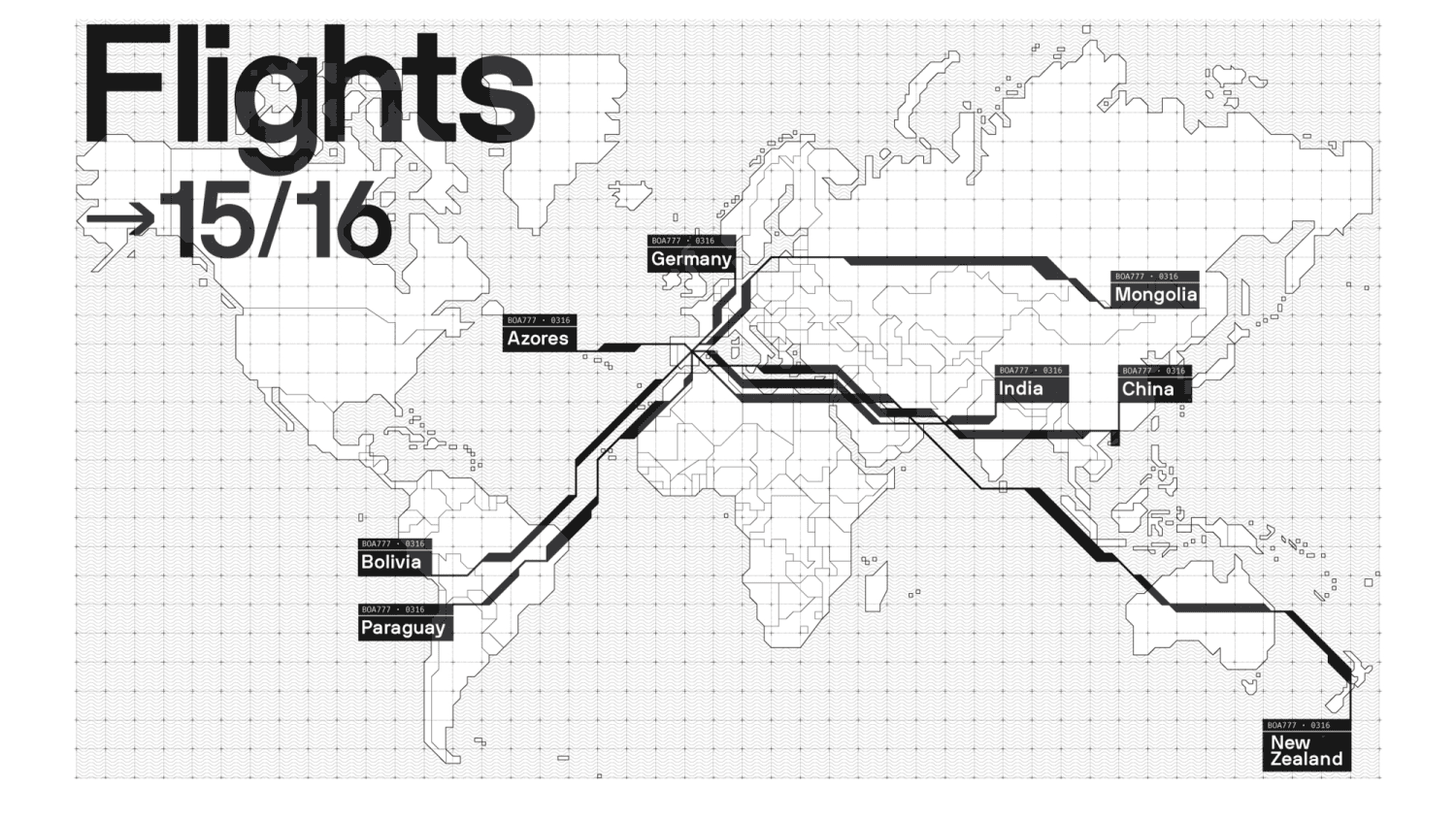
Between 2014 and 2016, I traveled approximately 100,000 miles across isolated rural territories on four continents. My aim was to observe and document the domestic life, history, and culture that shaped these landscapes, in order to develop a framework for speculation and to identify opportunities for design to influence this critical sector.
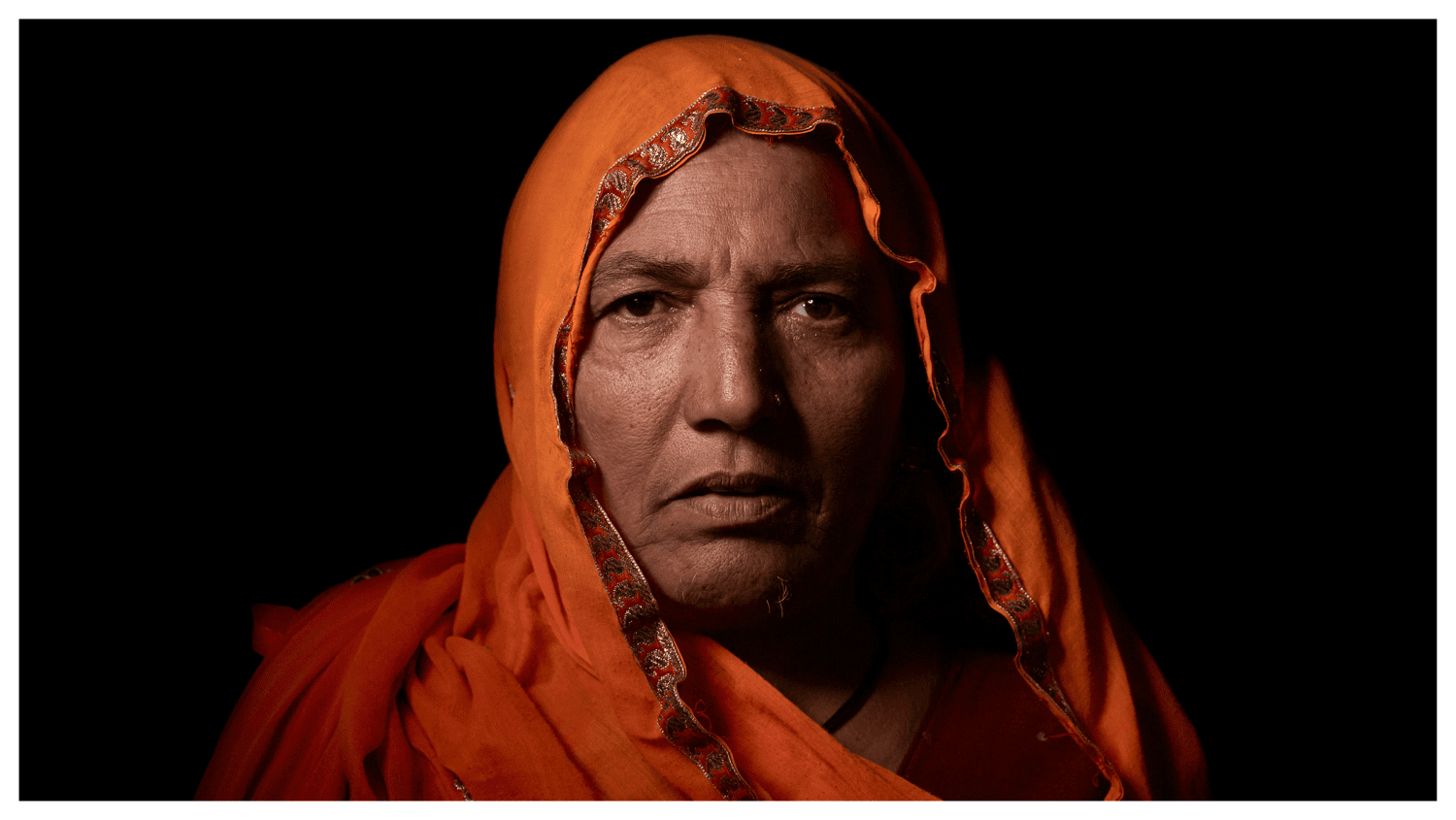
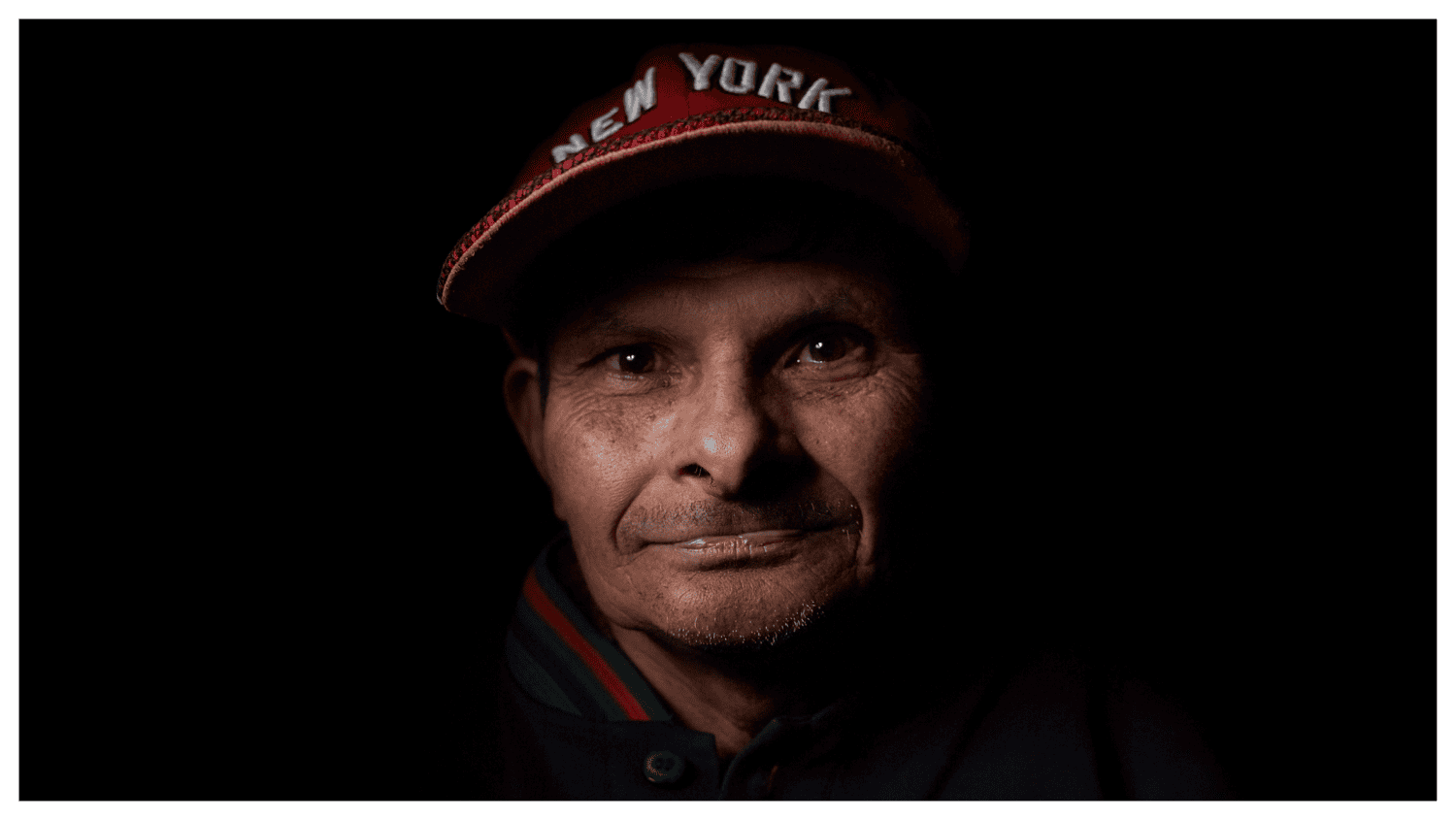
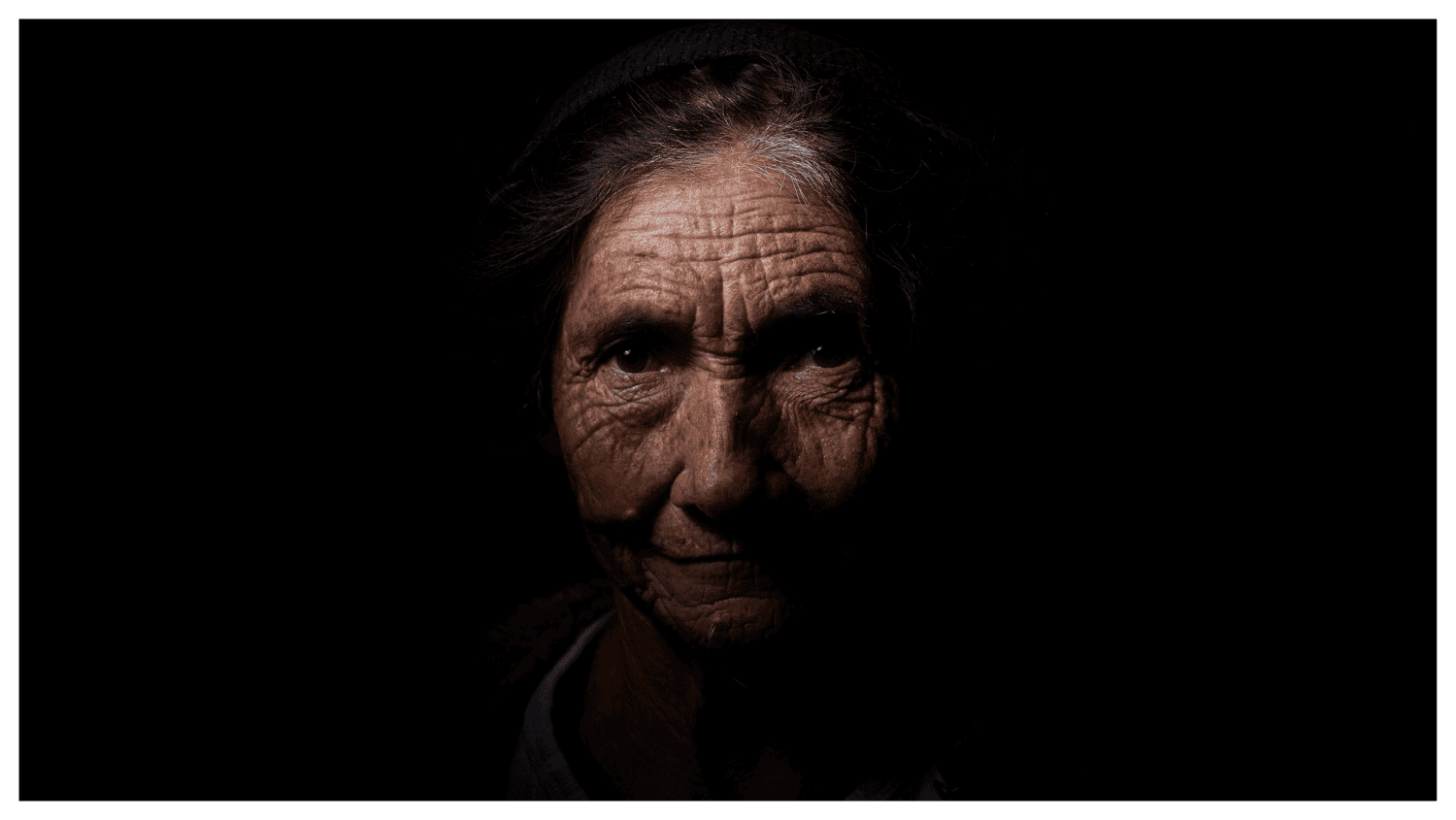
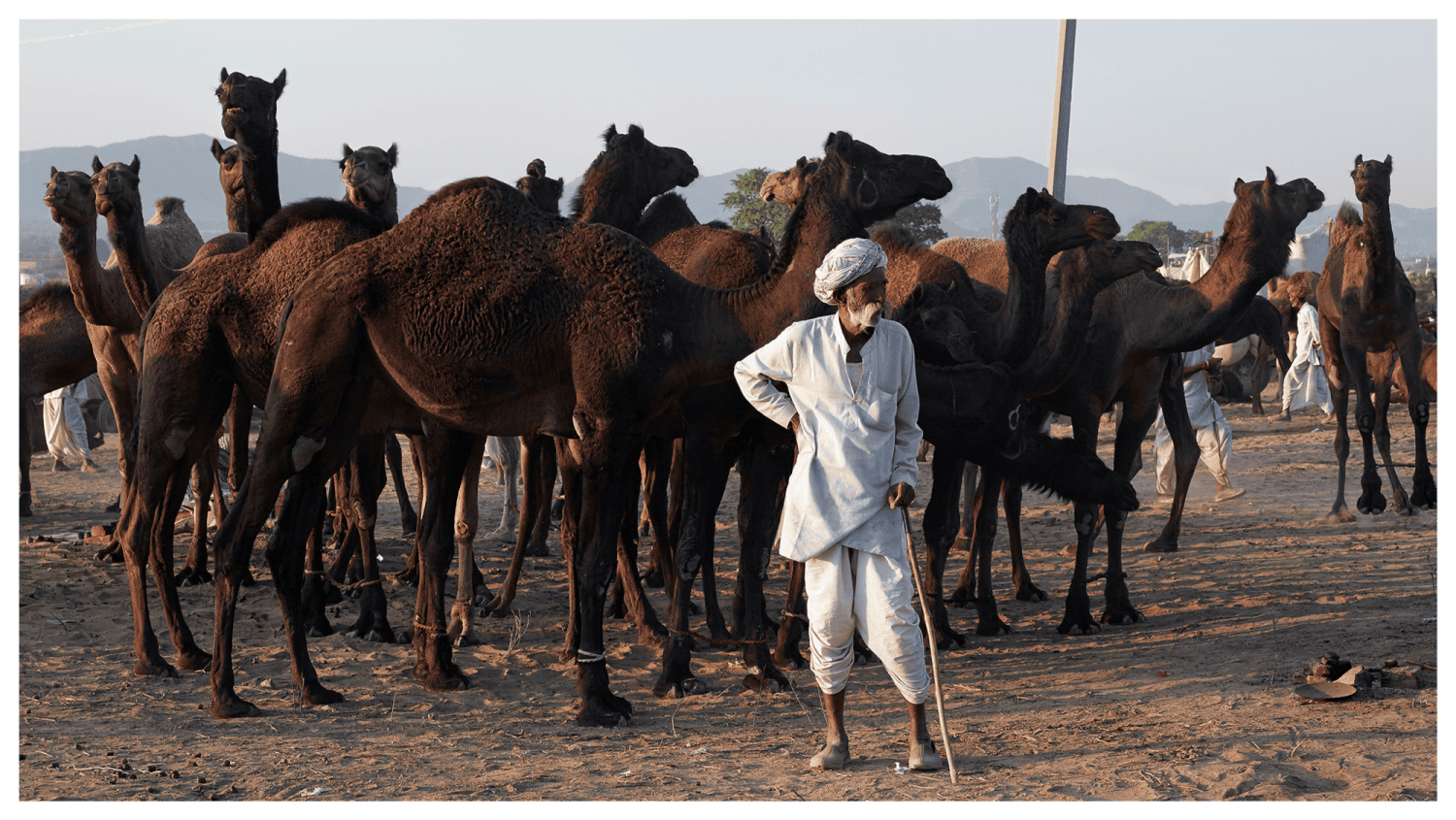
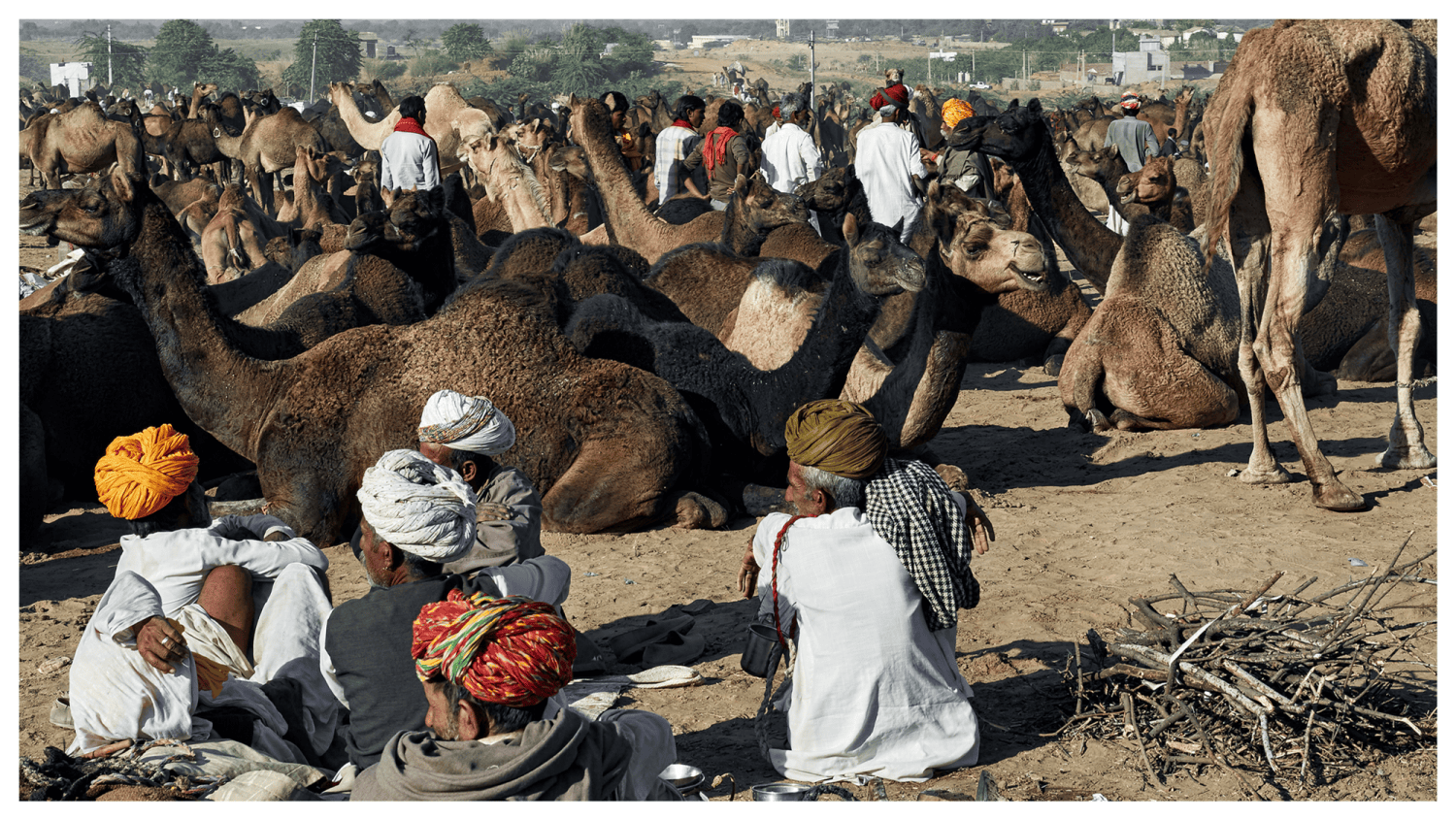
● A selection of images from the research. Photo credit: Jose Ahedo
Design and domesticity within animal farming systems.
This research project was supported by Harvard GSD, as well as several institutions including the United Nations, governmental ministries, and private companies.

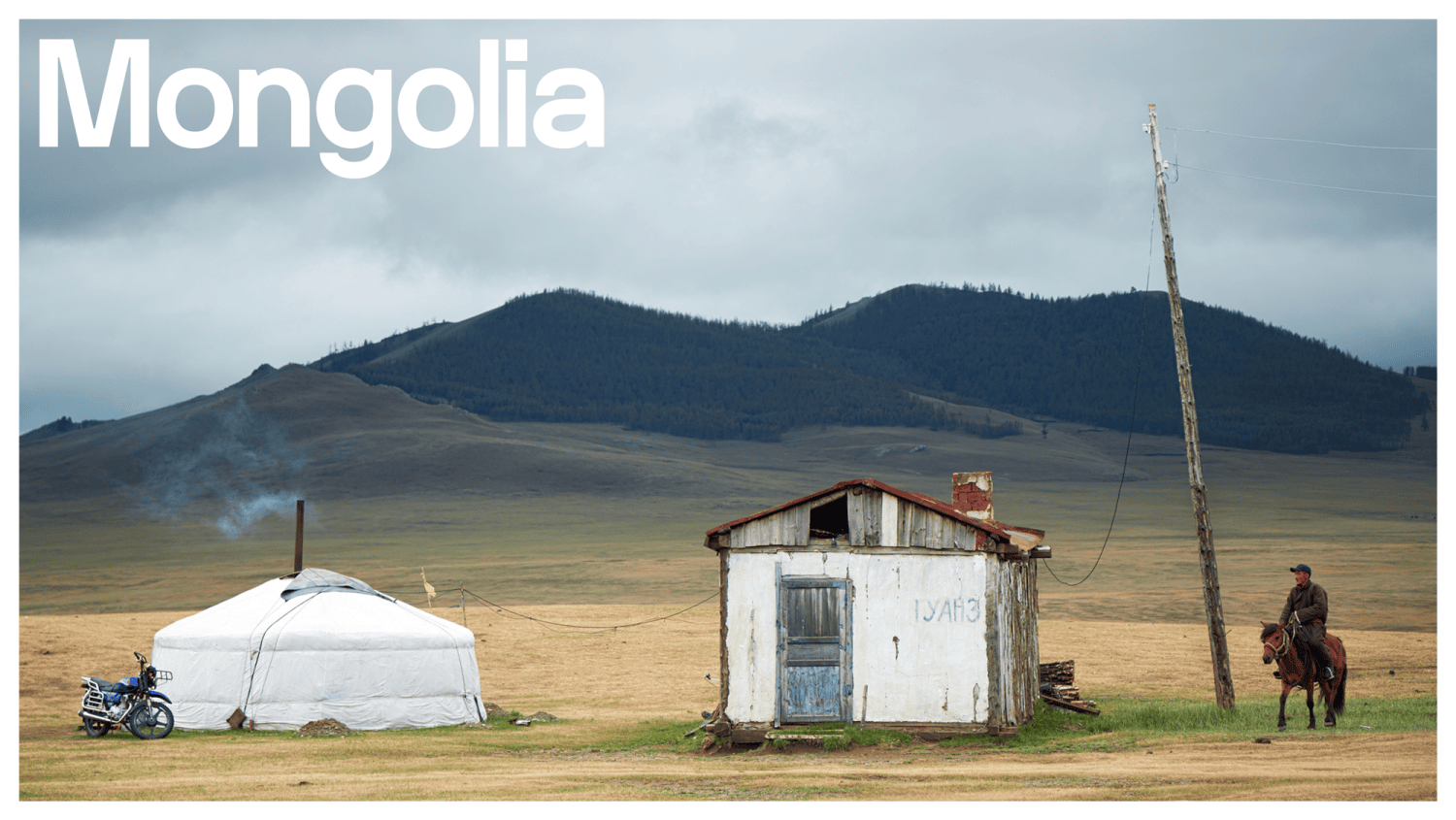
● Mongolia
Pastoral Systems:
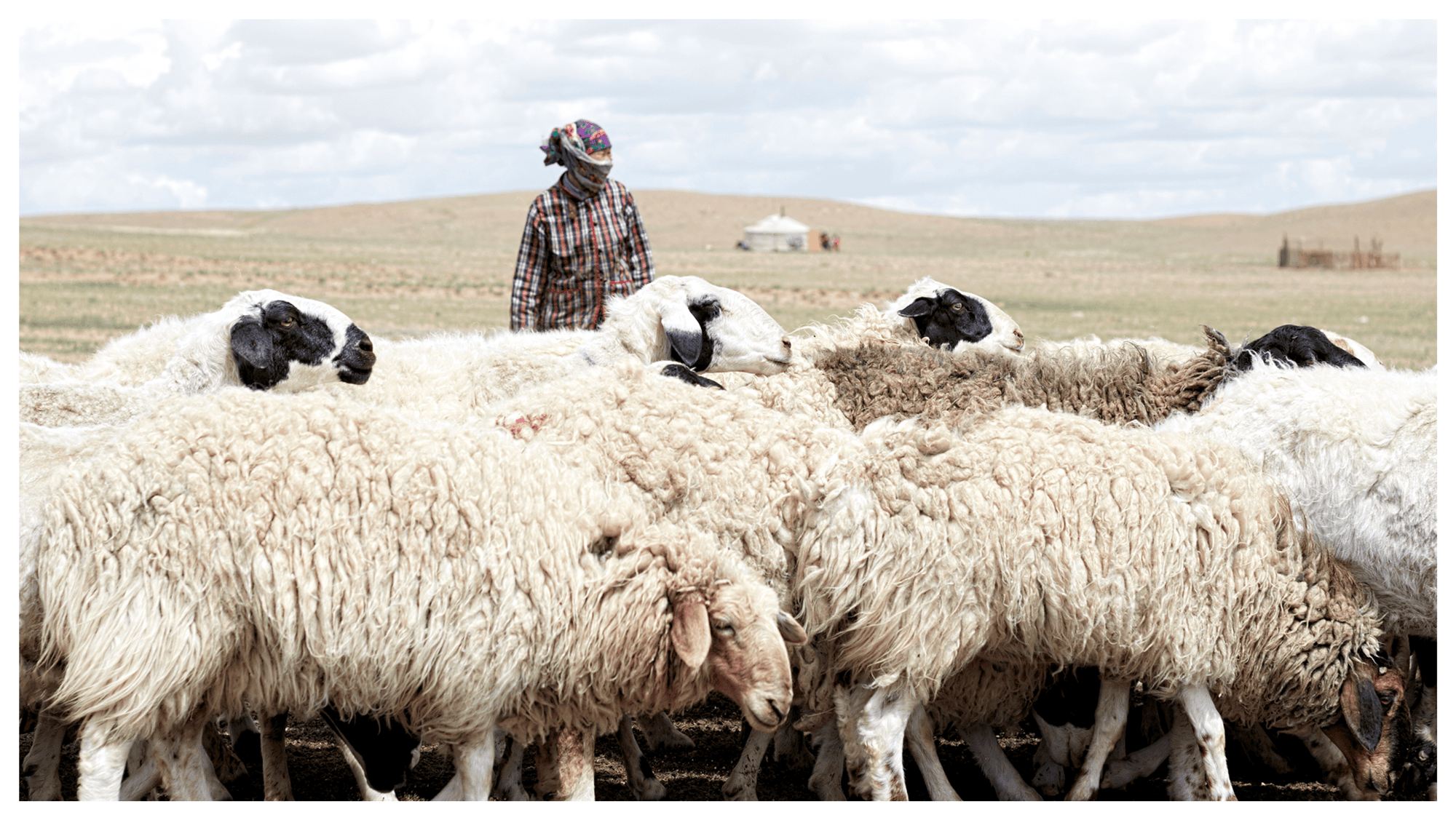
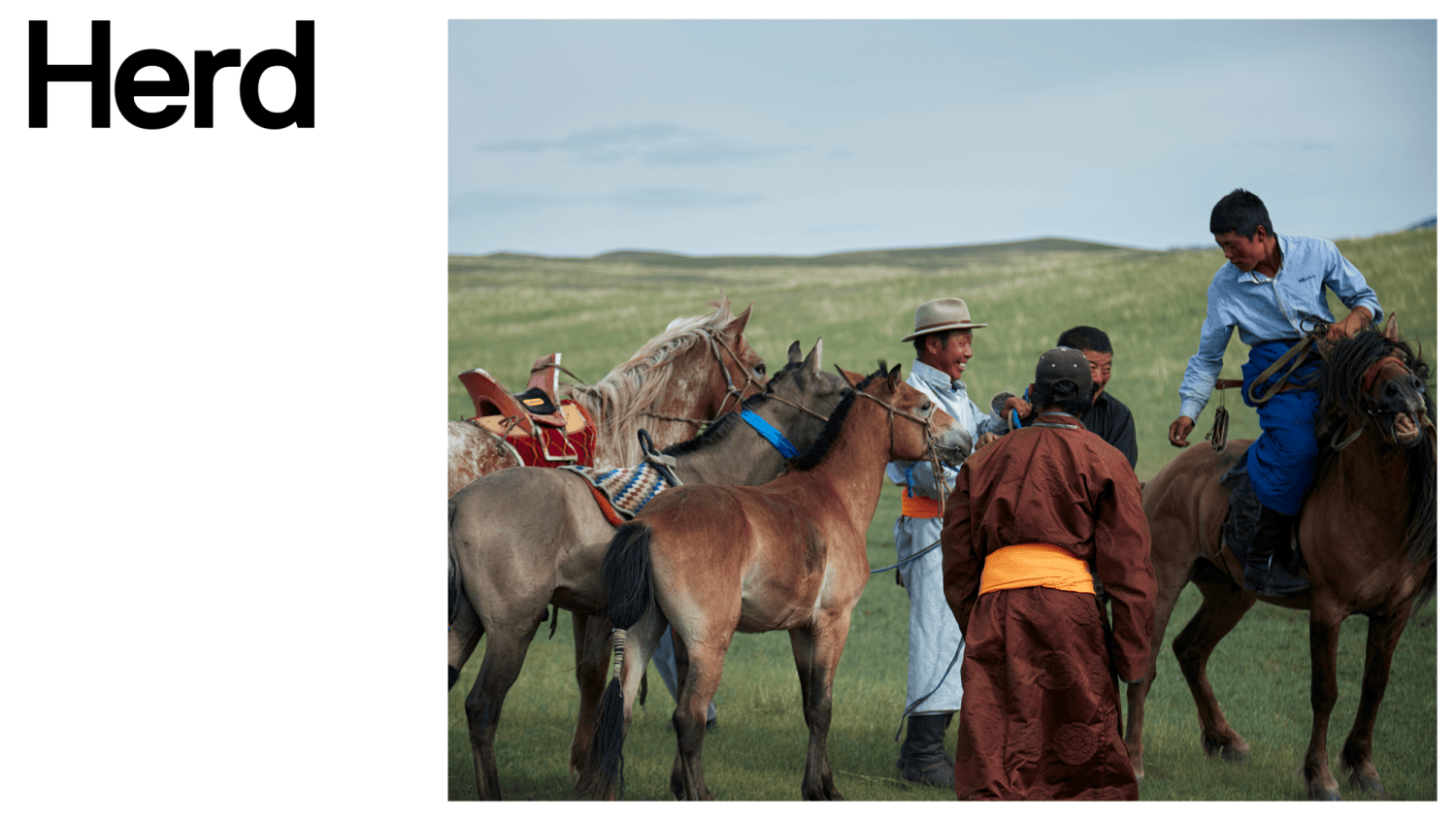
Herding and hunting in extreme climates.
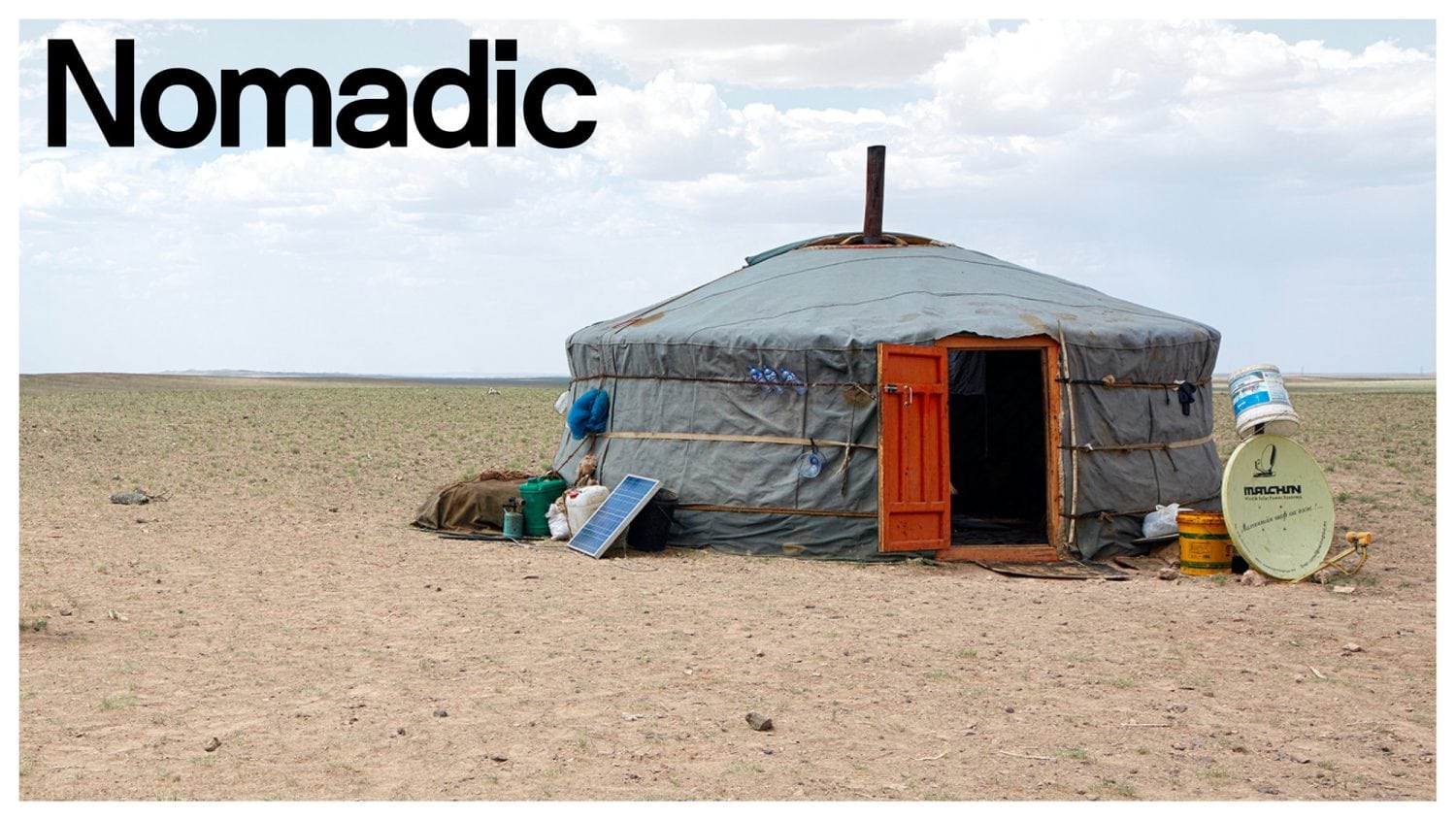
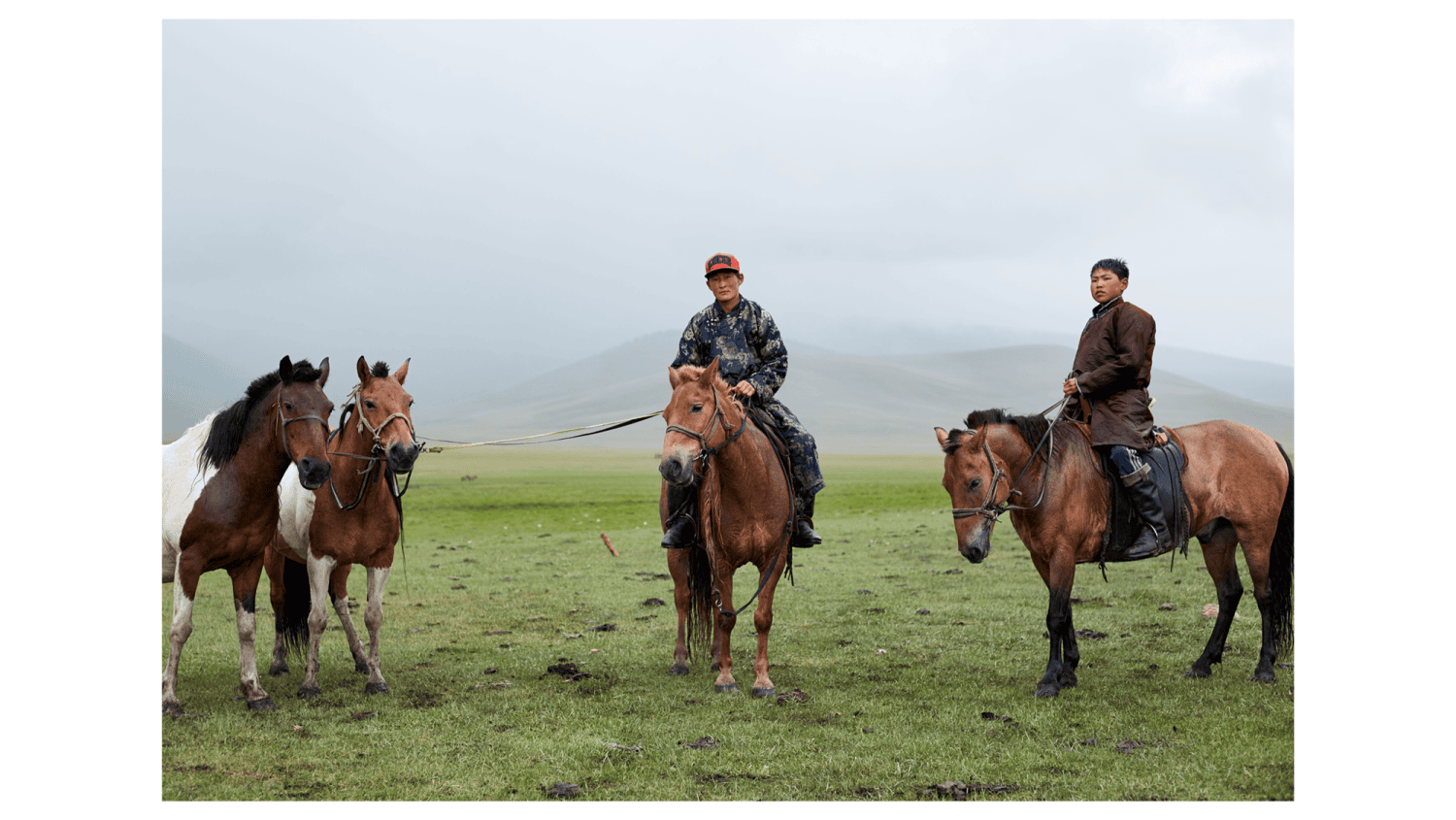
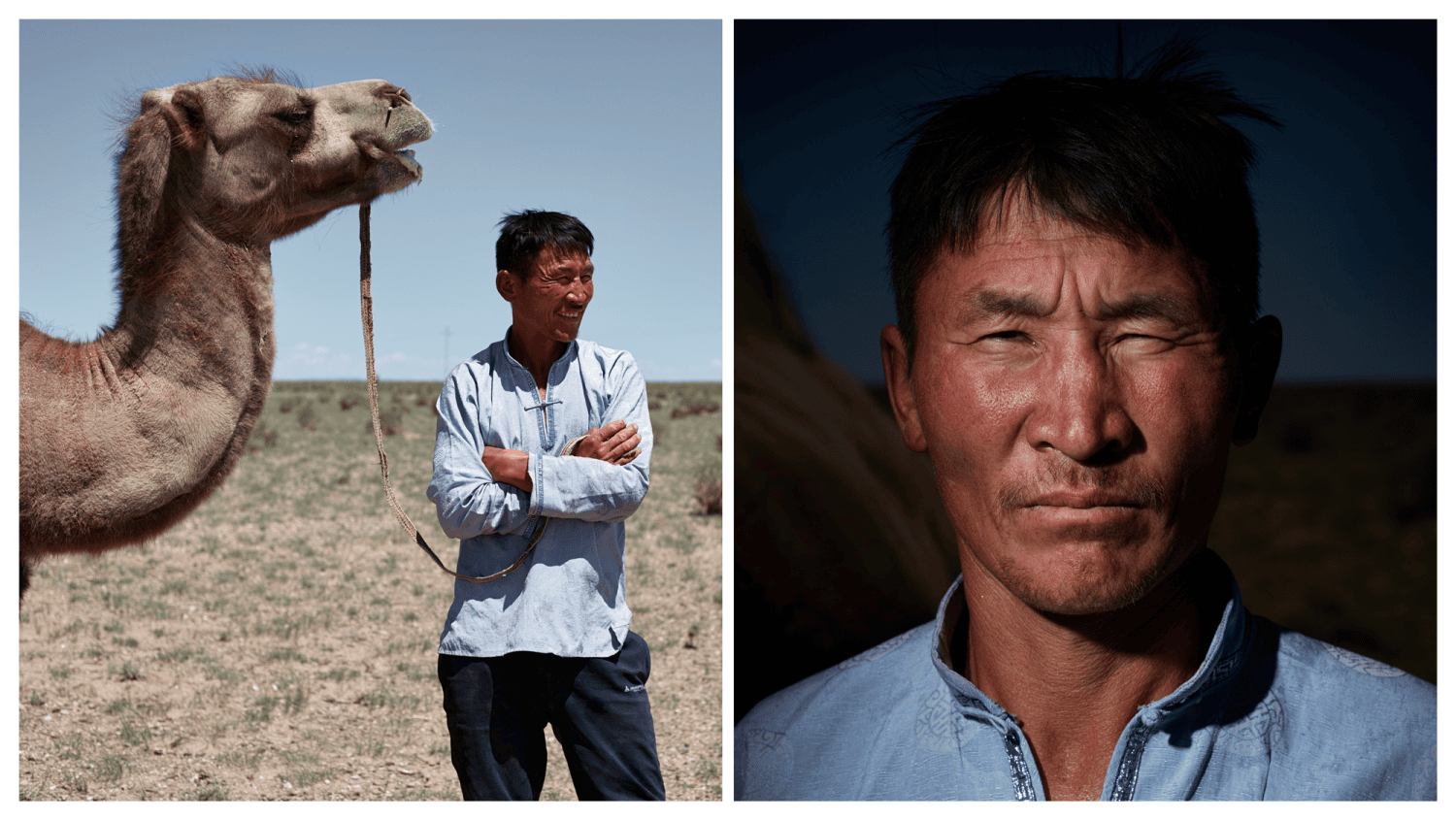
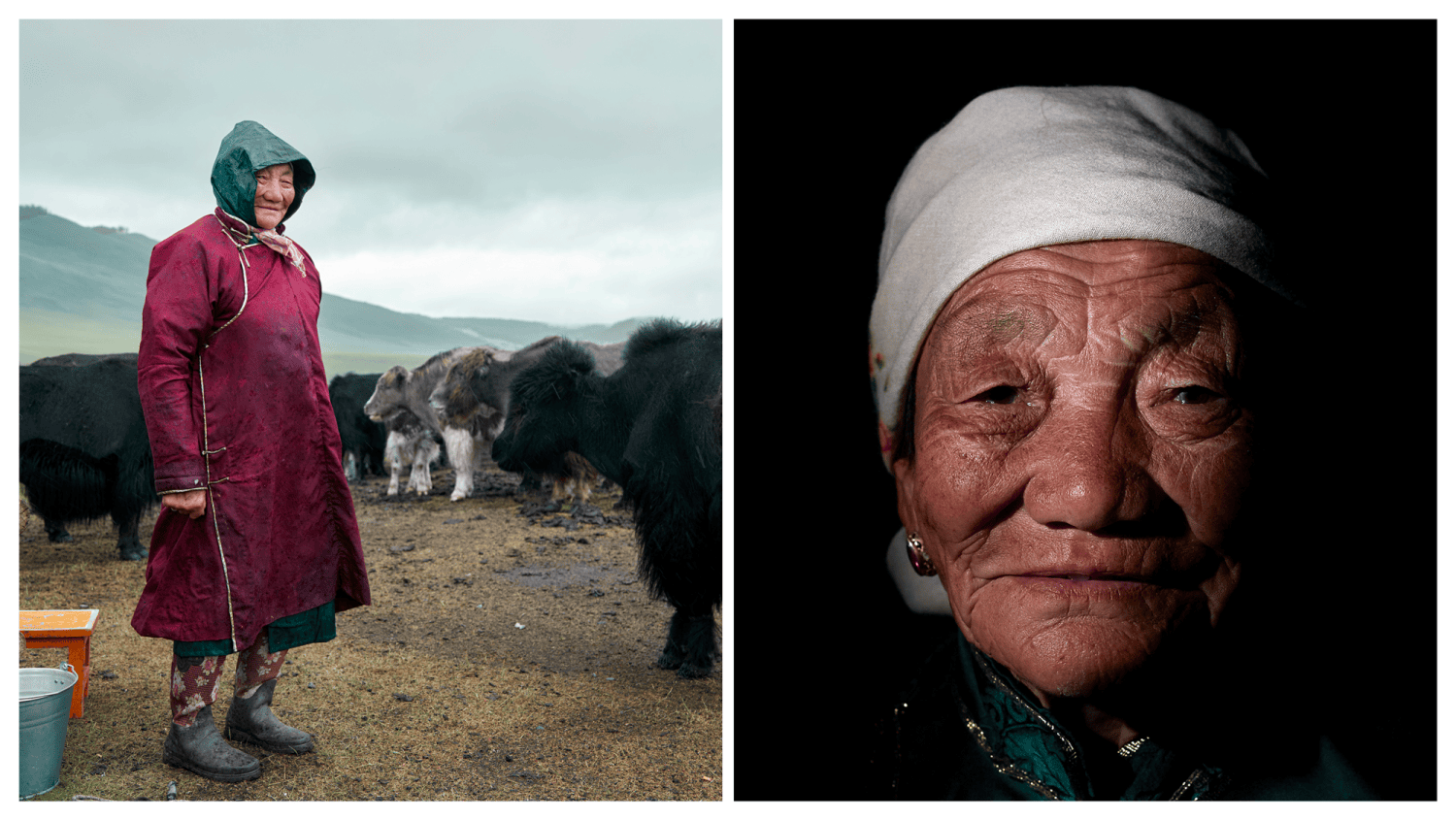
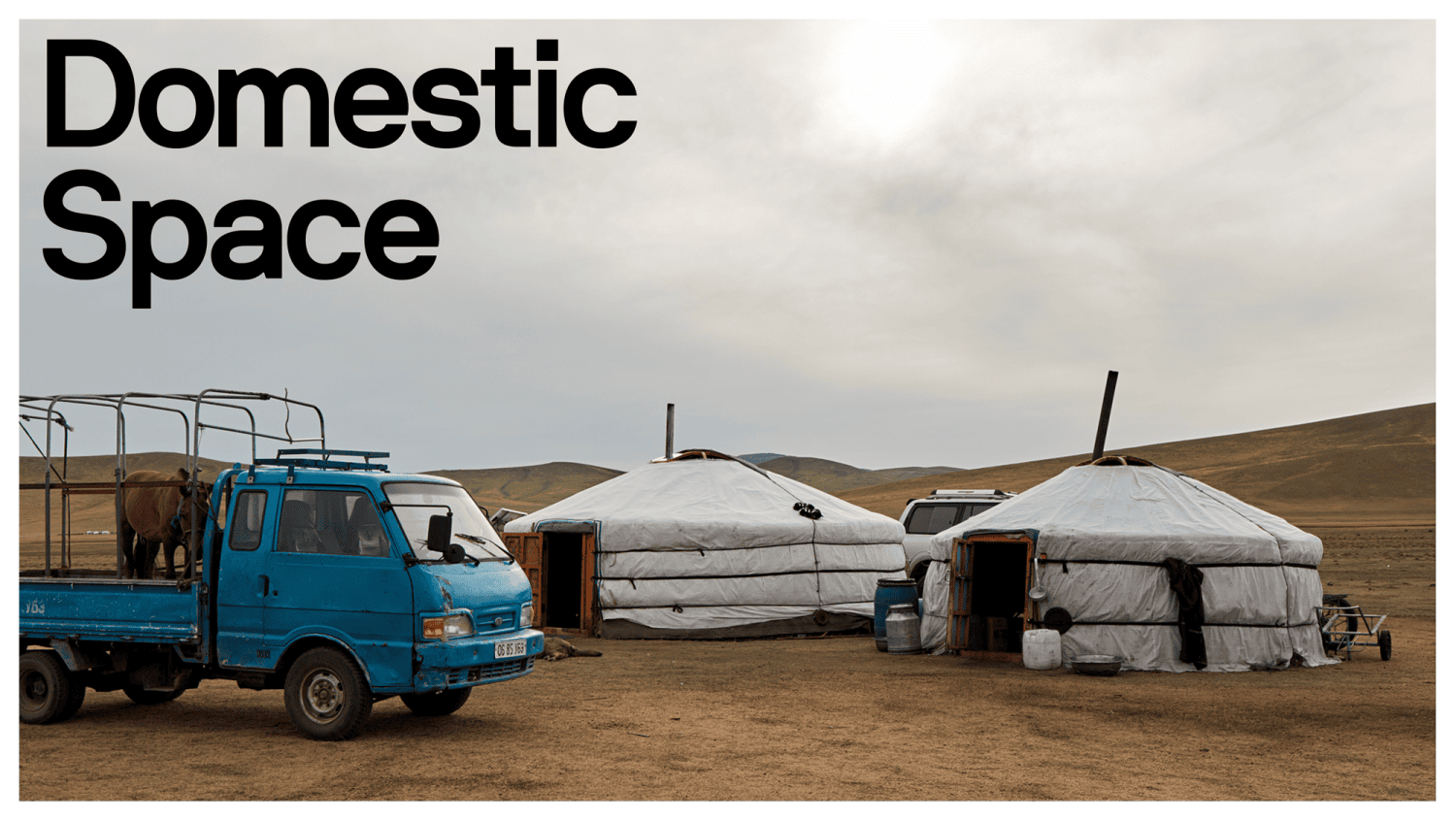
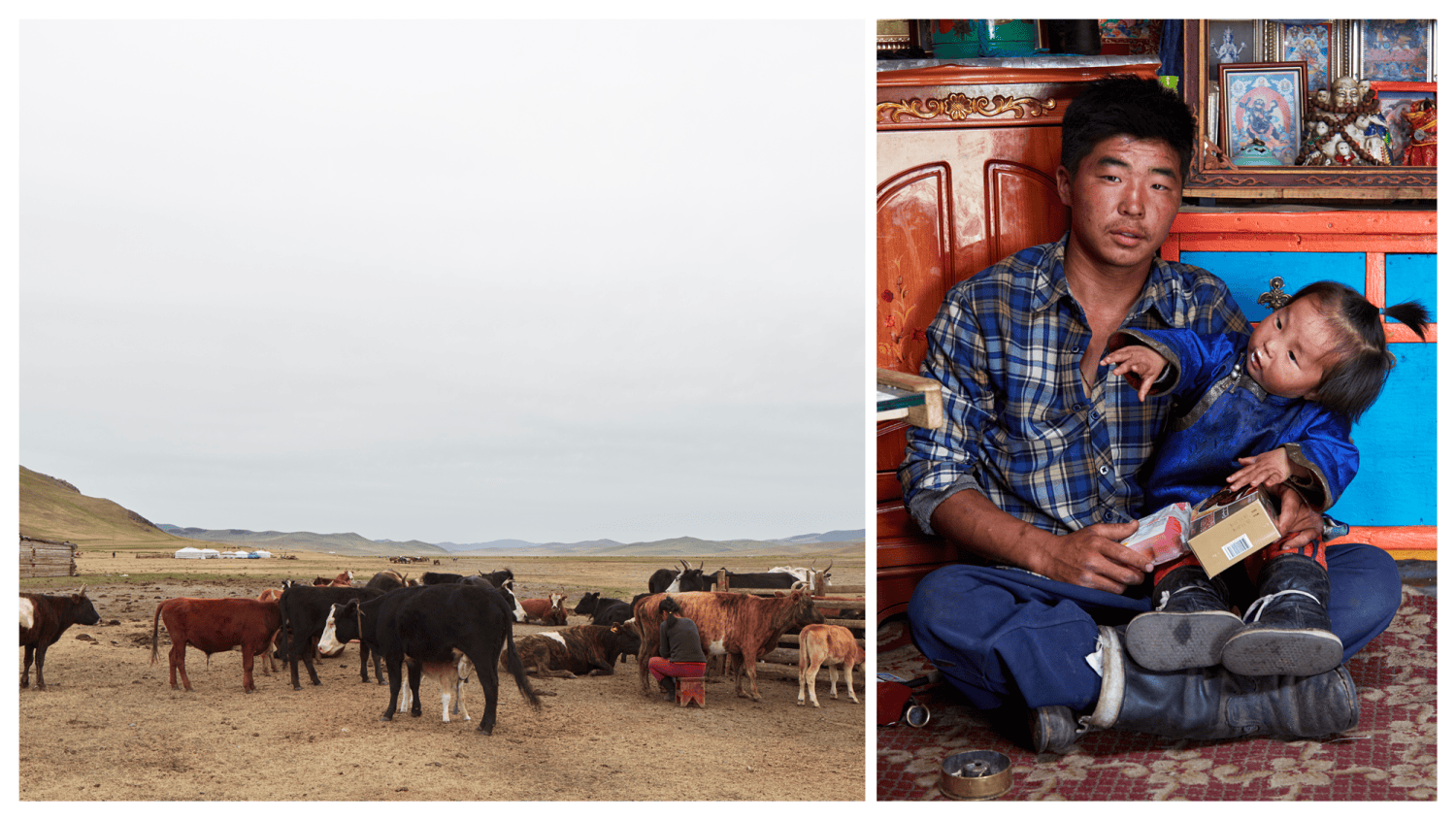
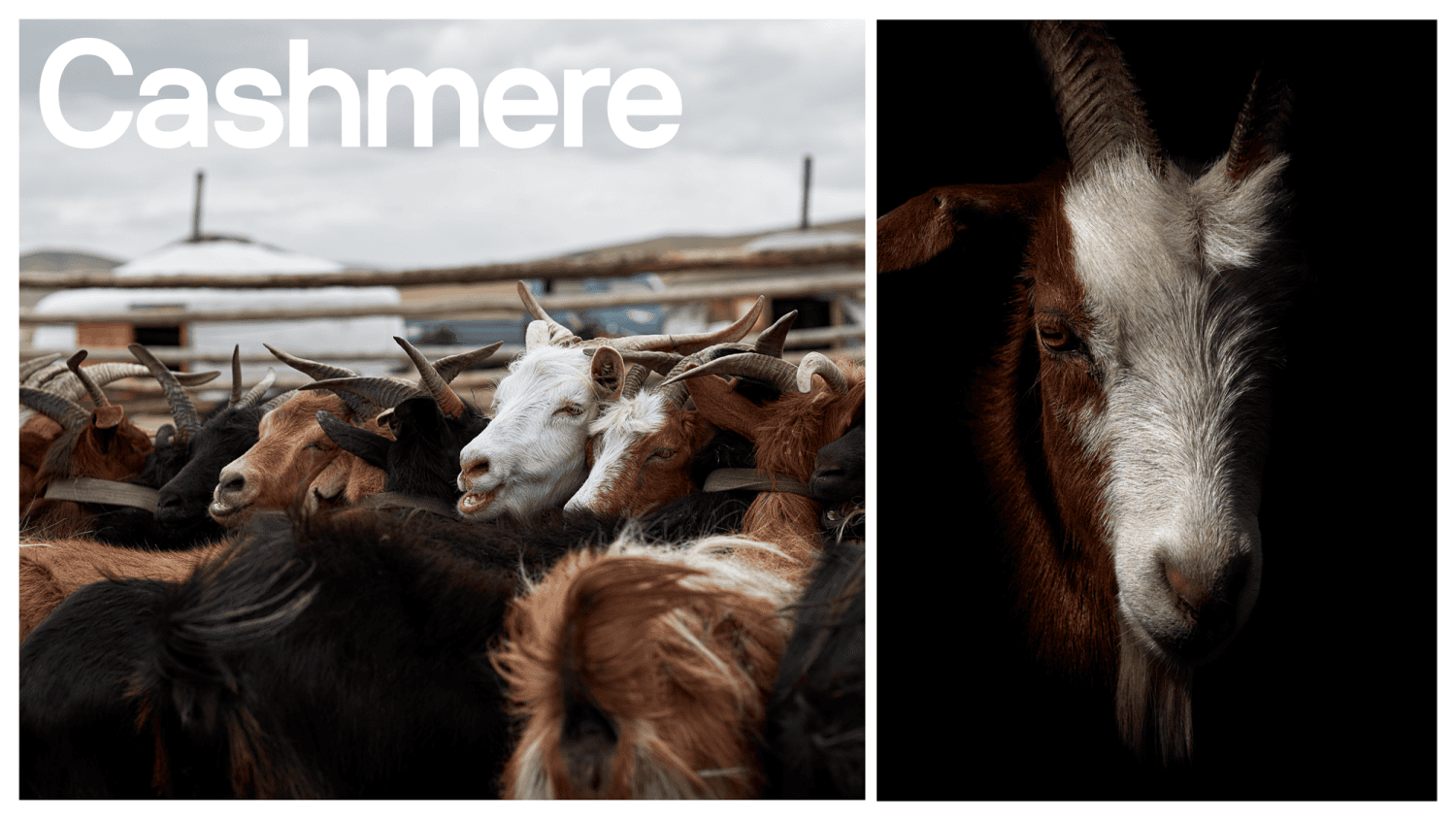
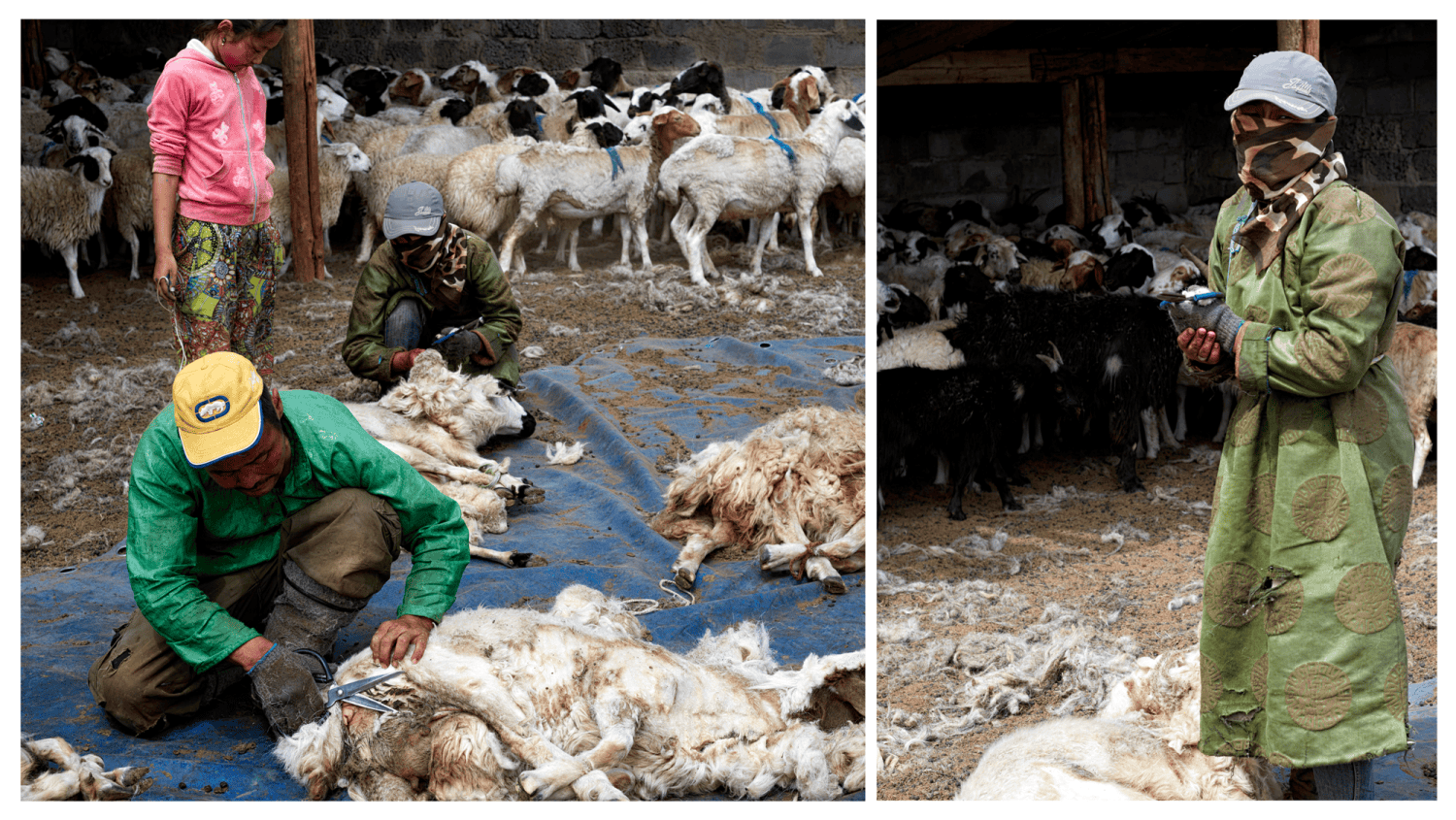
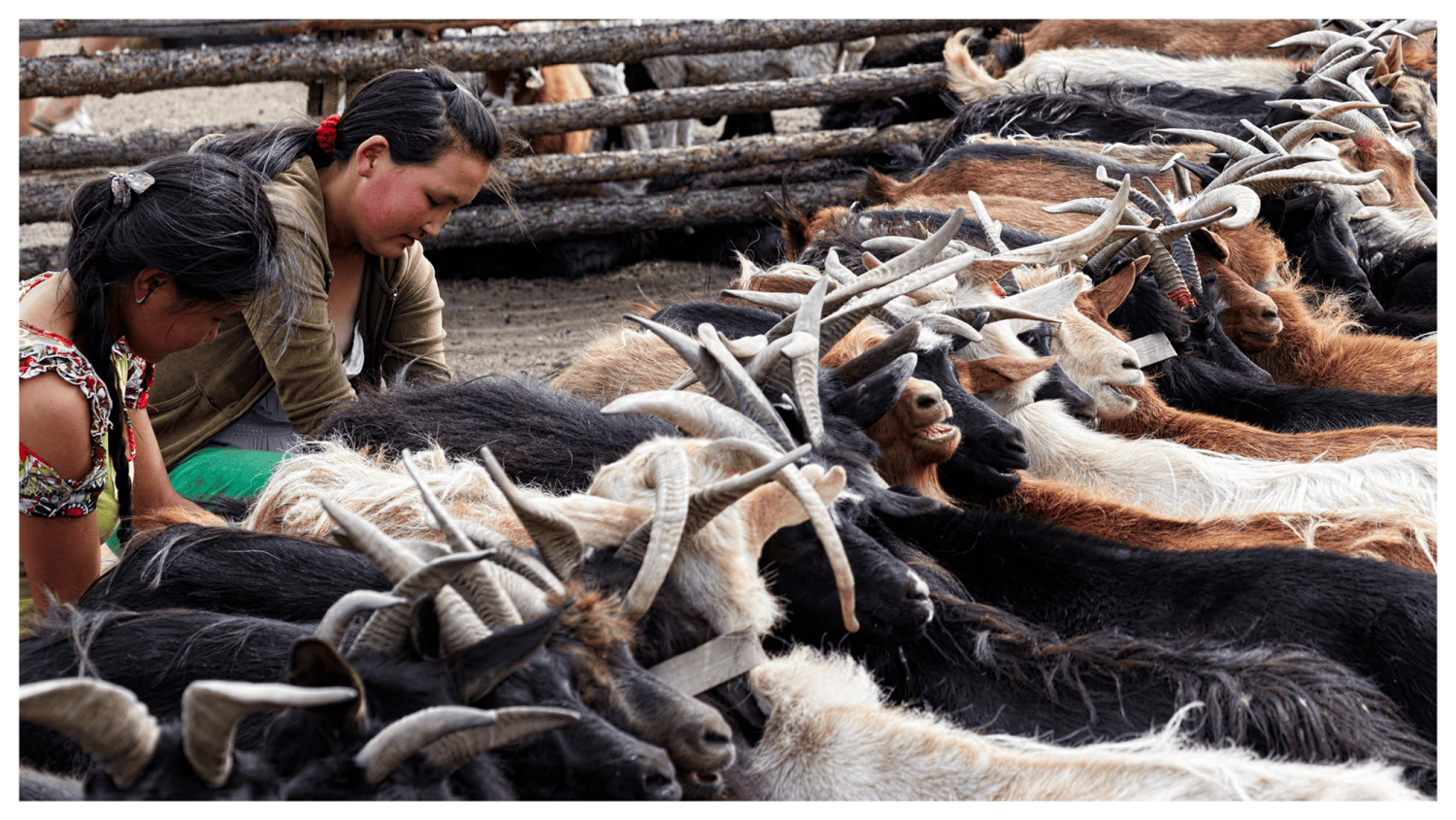
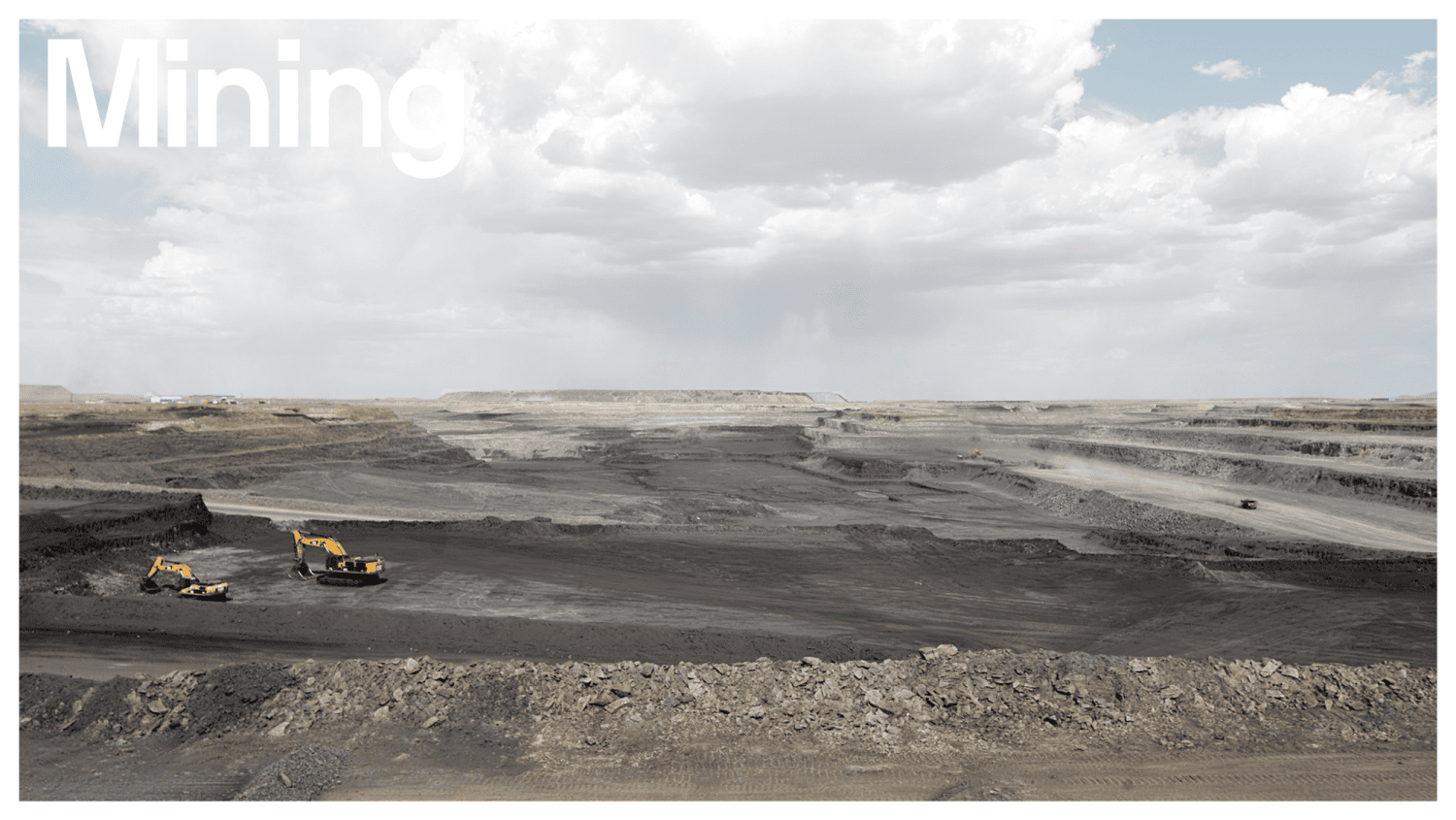
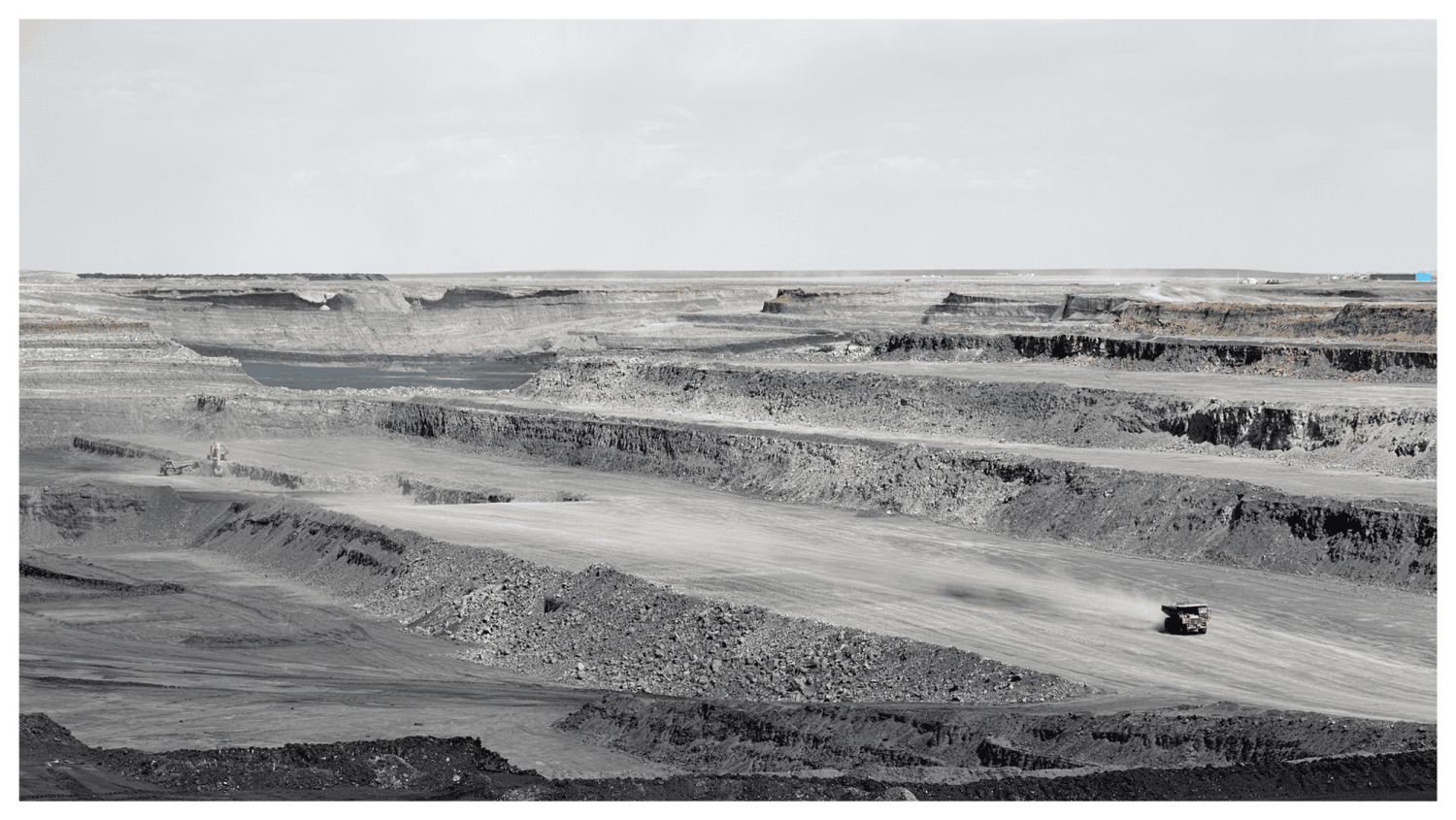
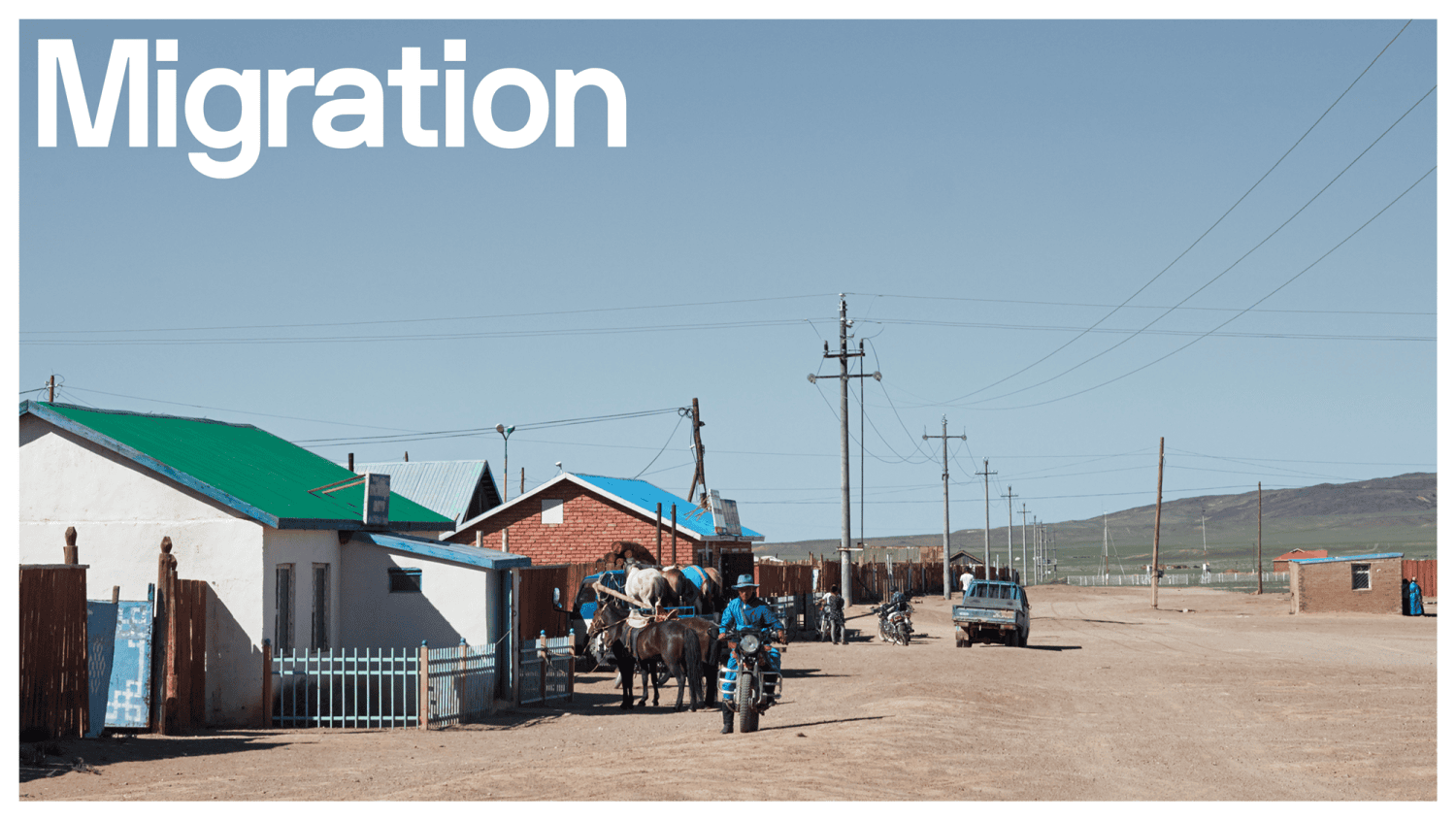
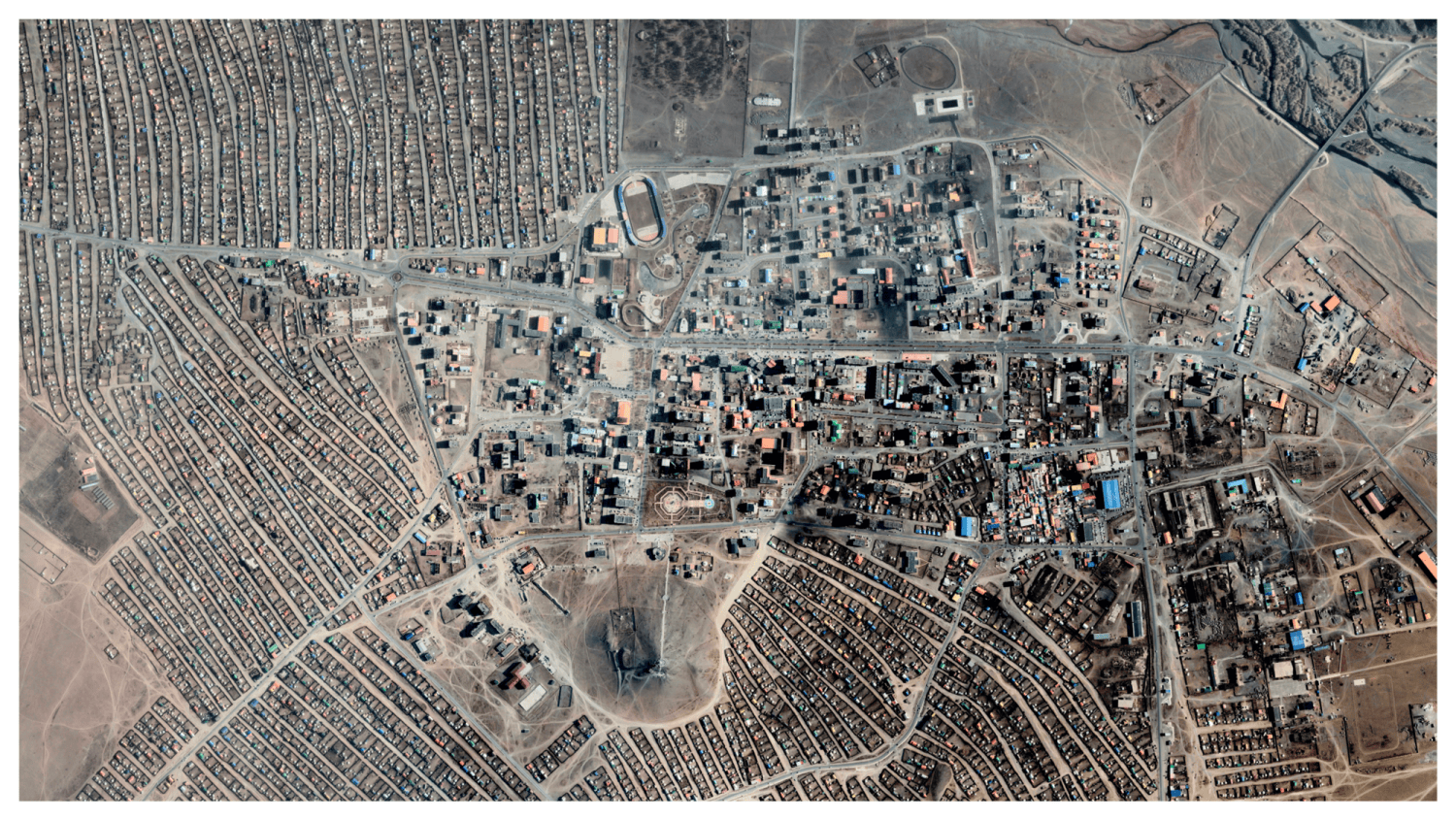
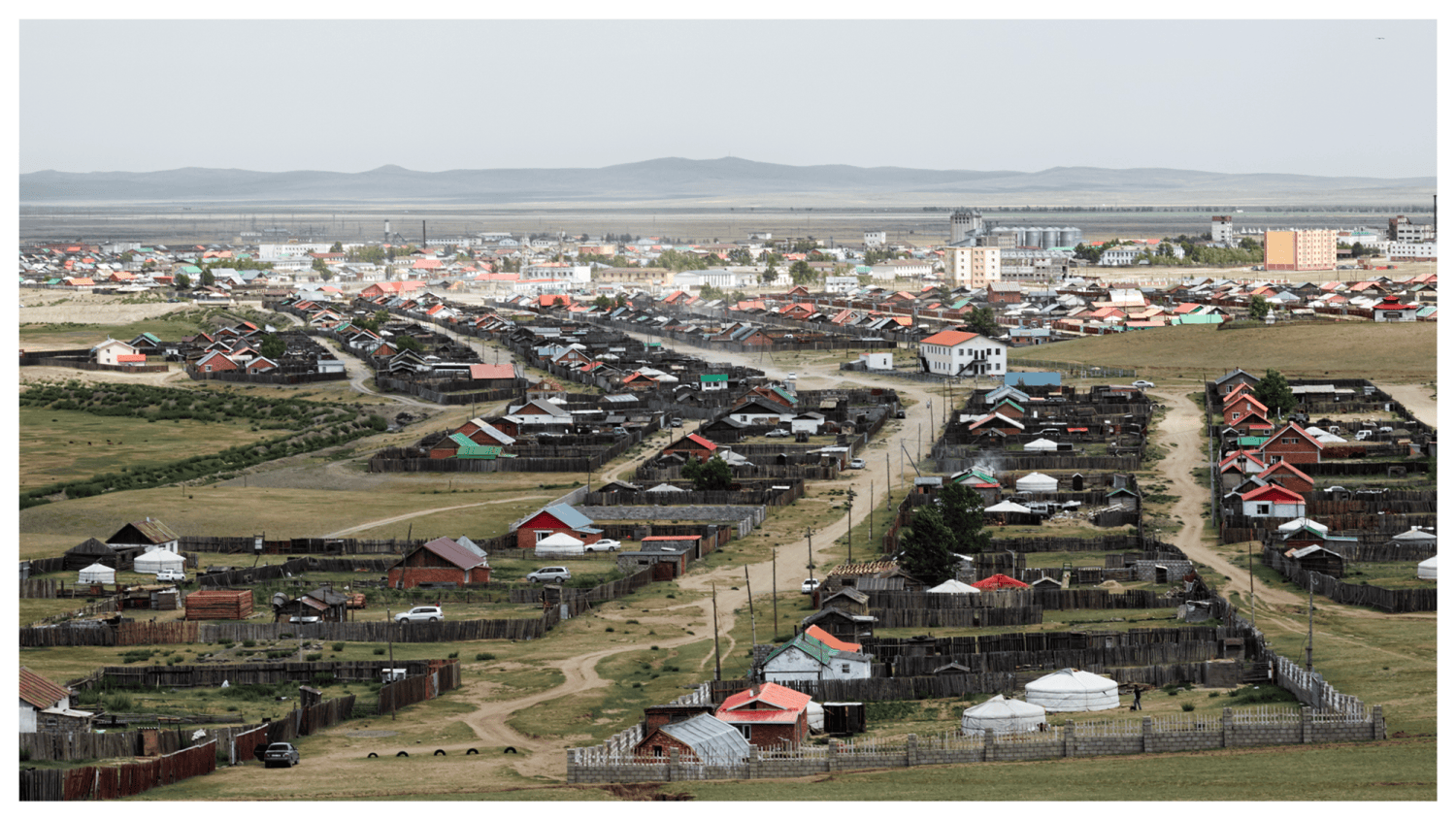
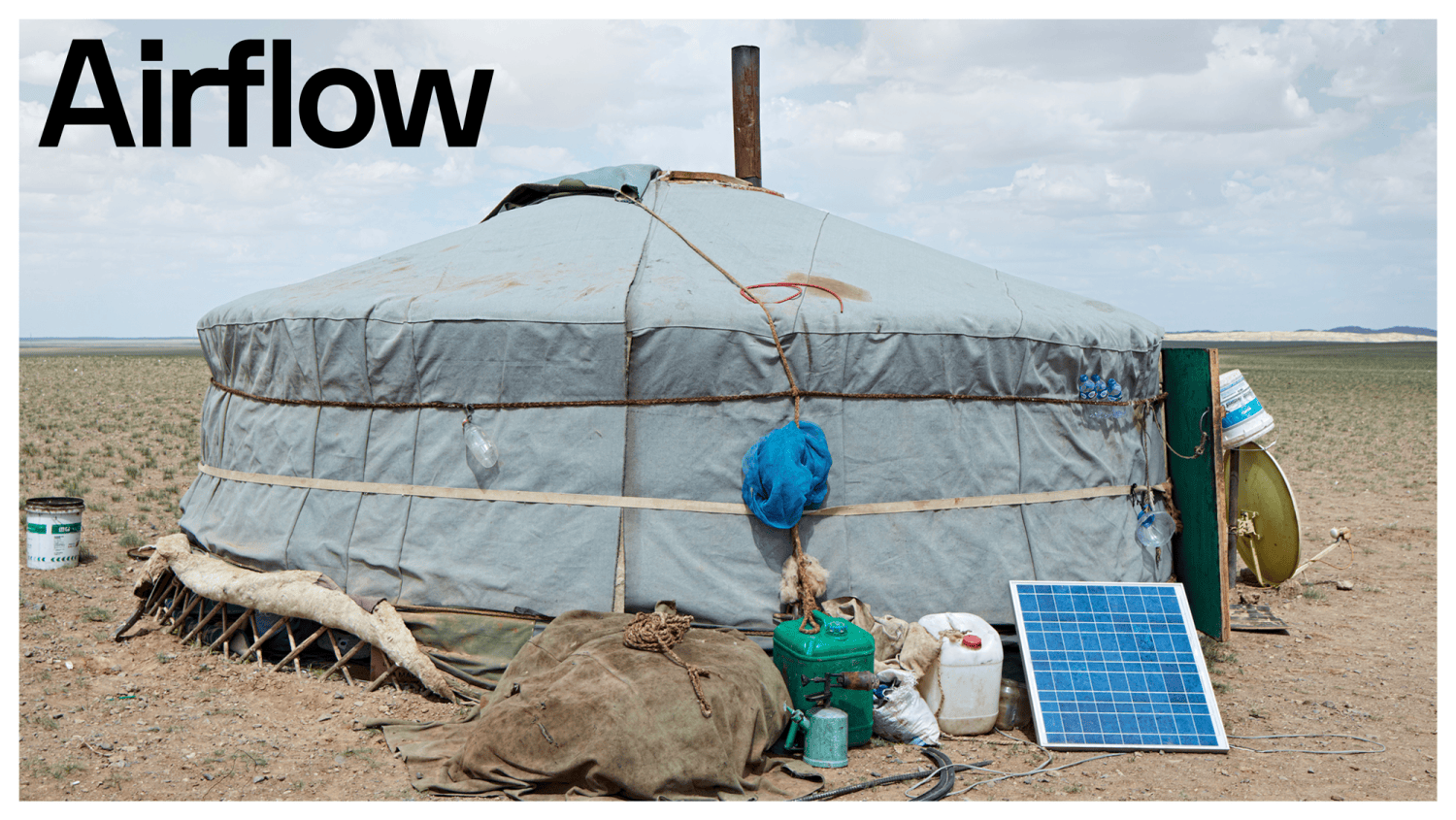
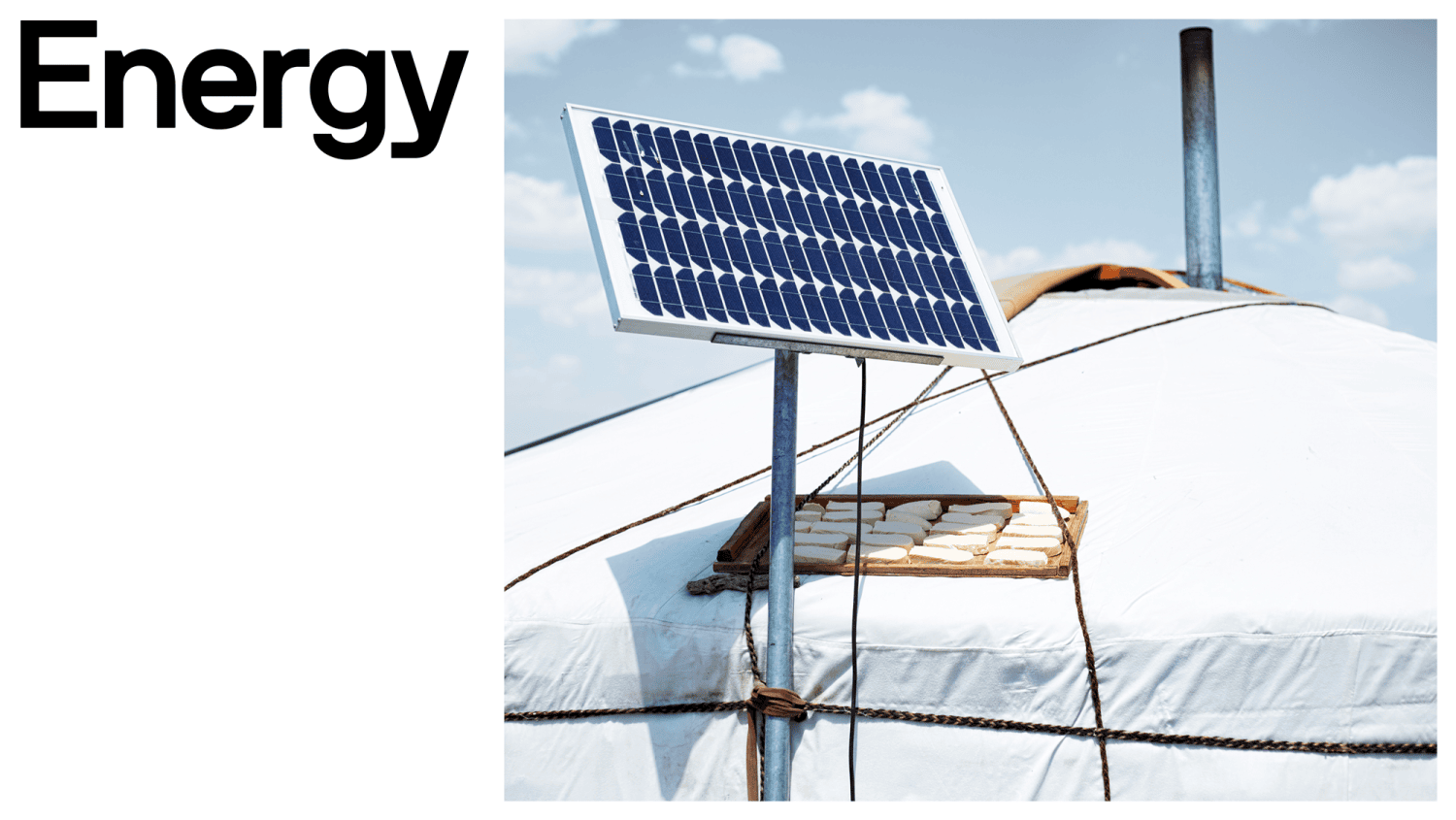
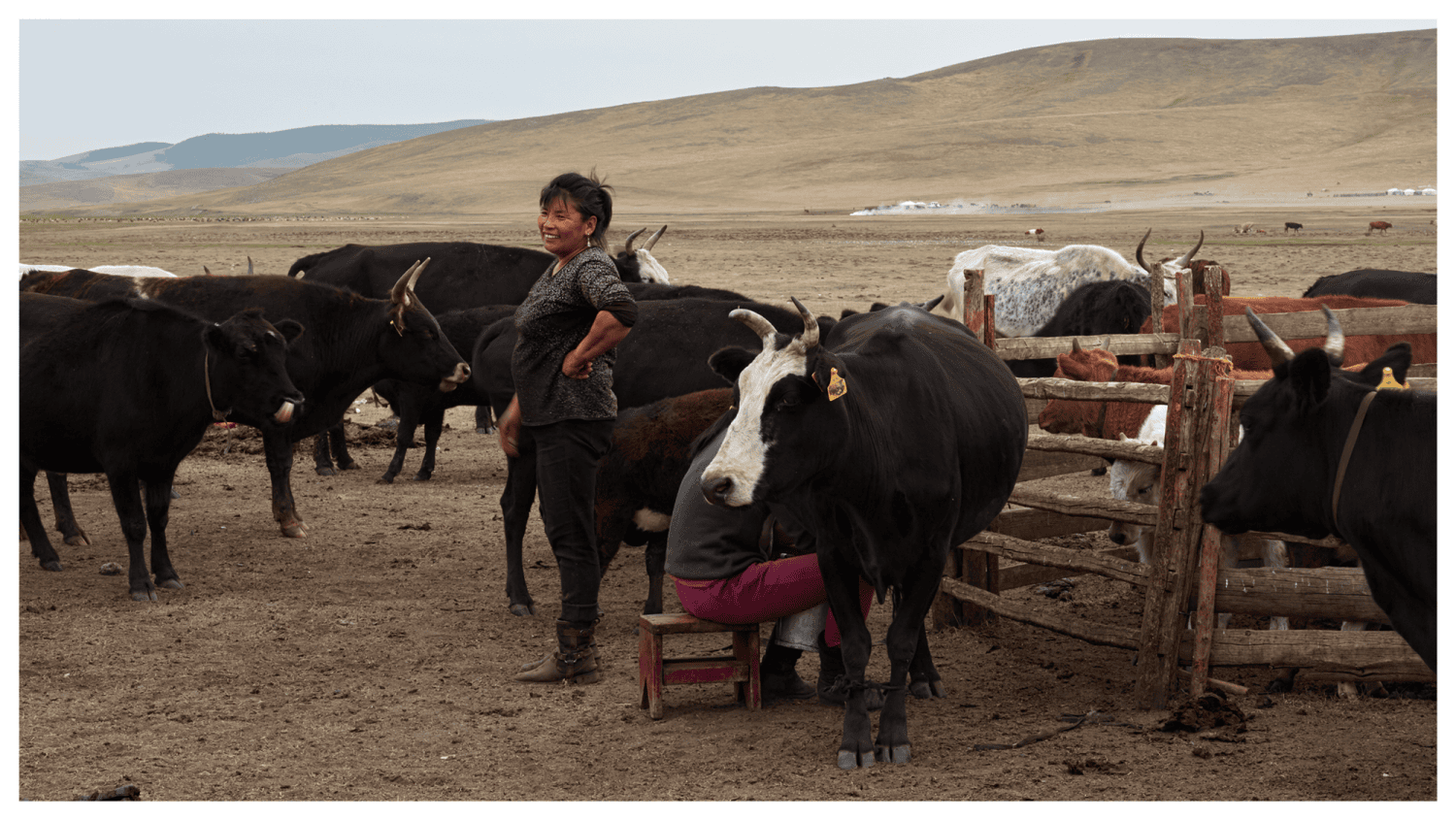
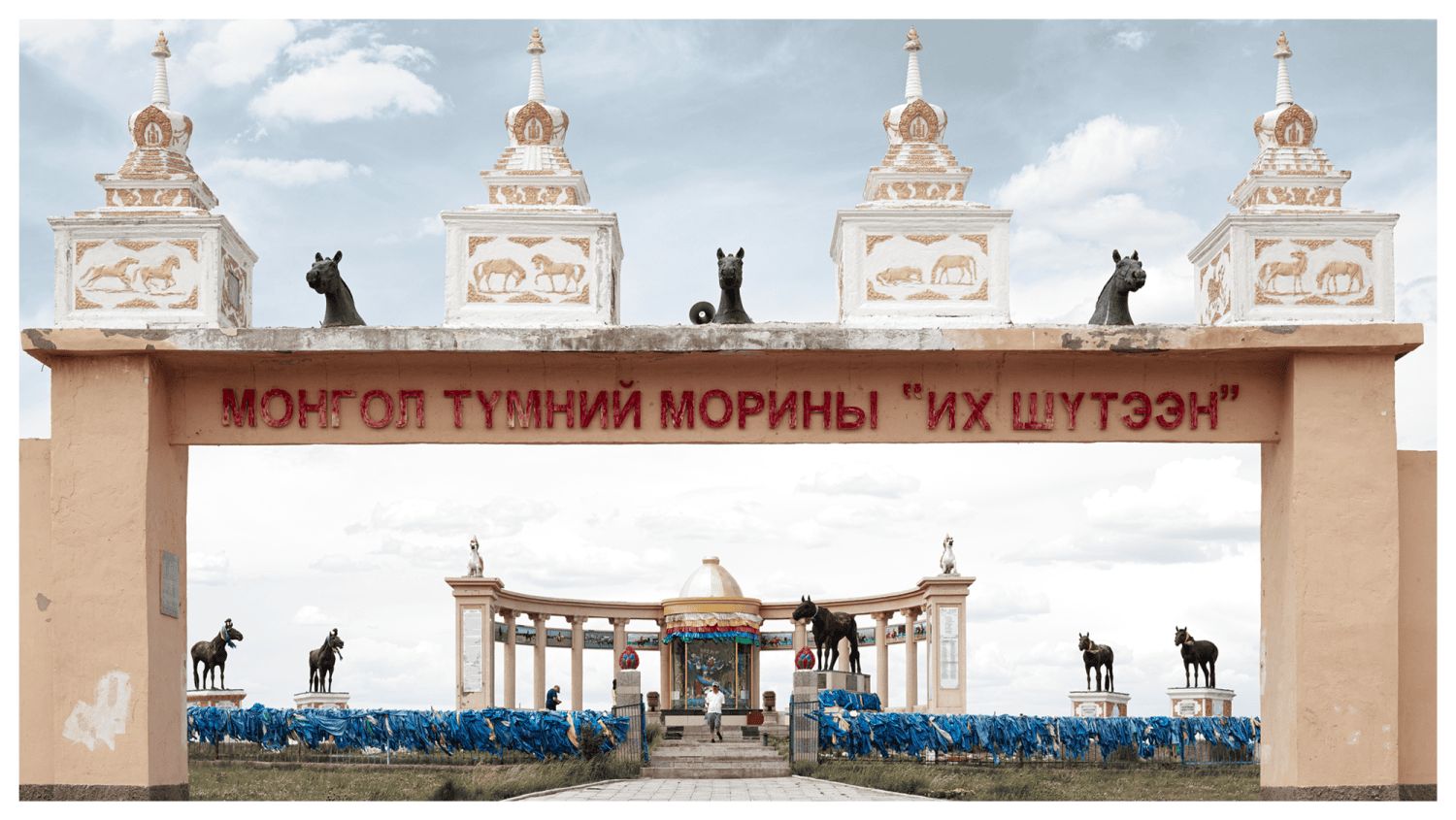
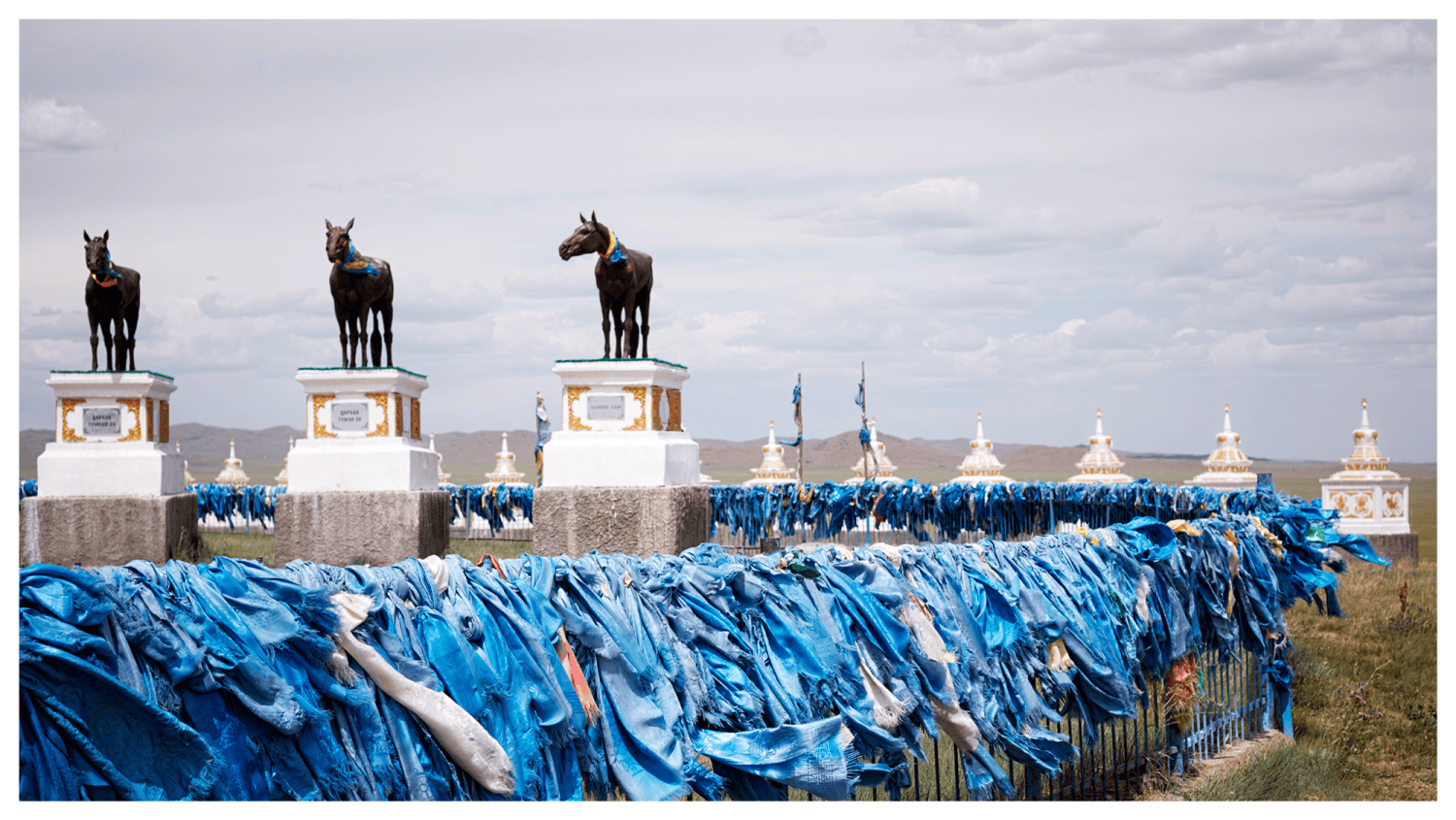
The region spans over 3000 miles and encompasses a wide range of ecosystems, extending from the Gobi Desert to the boreal forests along the Russian border. Temperatures in this region range from 40°C in summer to -40°C in winter. The landscape is managed by discrete, family-based, semi-nomadic herding units. Domestic practices are characterized by a high degree of adaptability to extreme environmental conditions. This adaptability, despite limited resources, is achieved through the efficient use of material systems and basic technological solutions that function across multiple domains.
● Mobility and Farming in Azores
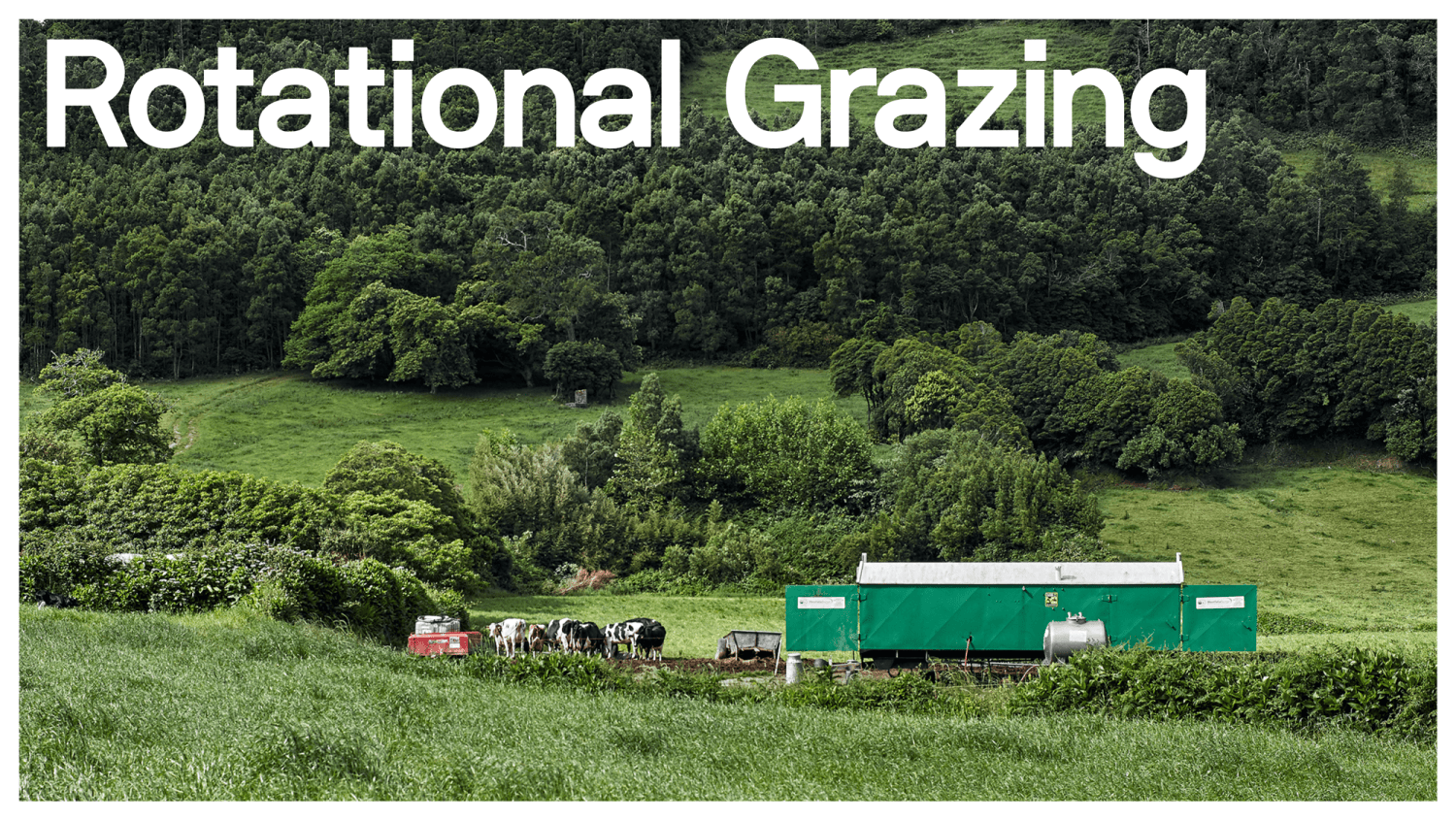
Rotational Grazing: Cooperative farming in a Mid-Atlantic ocean setting.
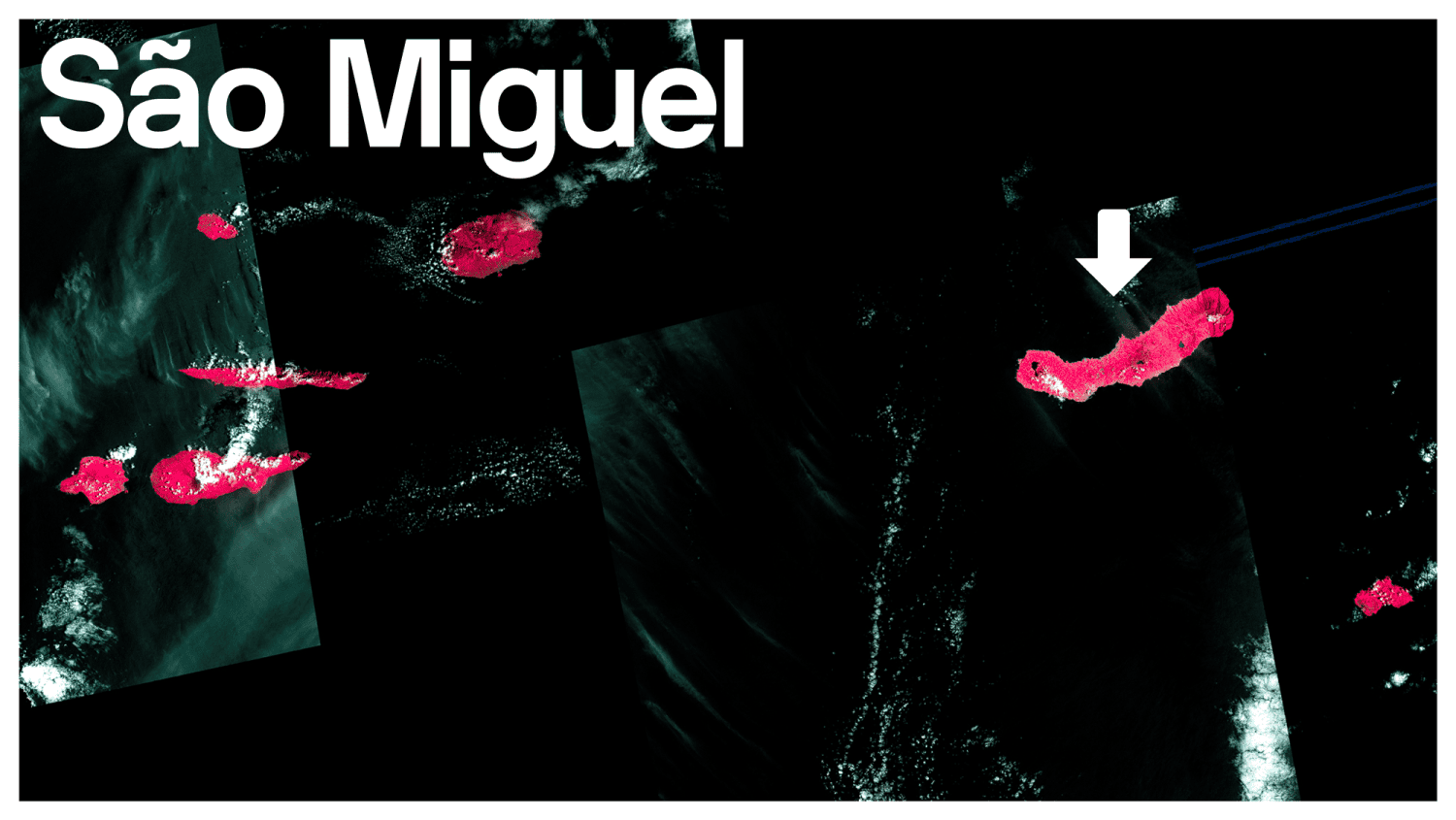
São Miguel is the largest and most populous island in the Azores archipelago.
The orange-based economy prospered until the late nineteenth century, when trade ceased due to a mycosis fungoides outbreak that infected all the trees on the islands.
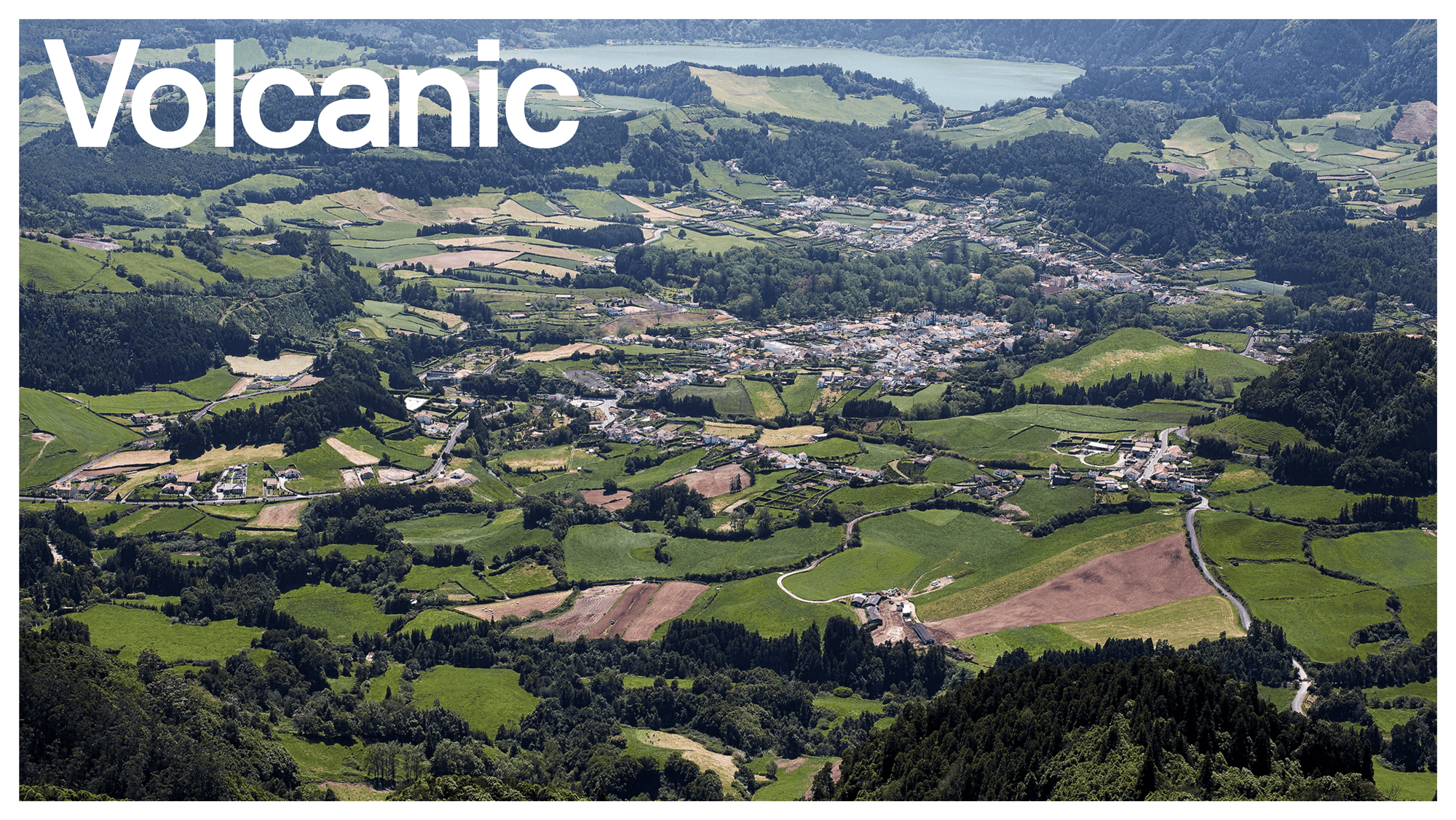
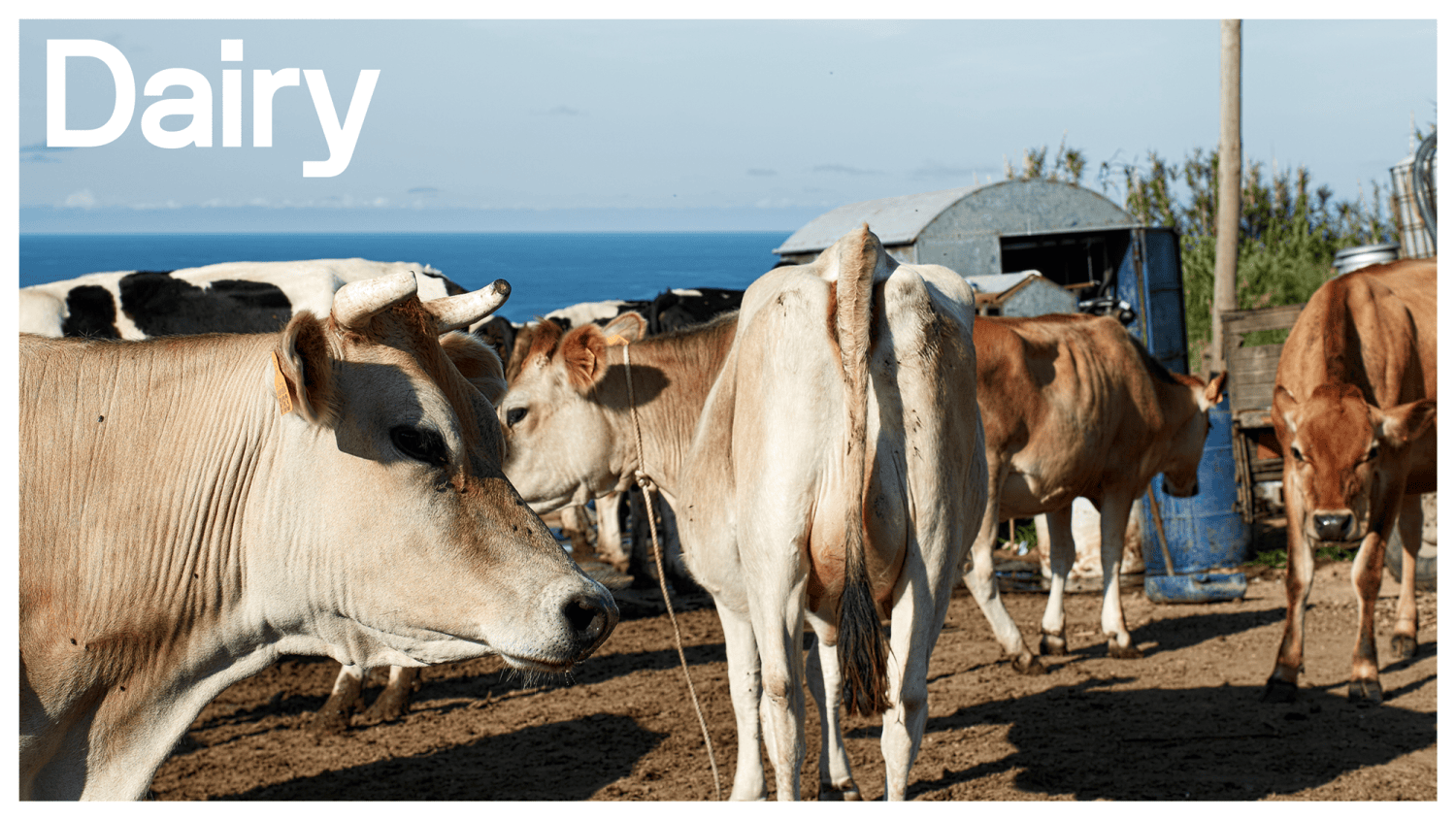
Following this shift, the economy adapted to the island’s distinctive landscape through dairy farming. São Miguel, characterized by its abrupt volcanic topography in the central Atlantic Ocean, now employs a rotational grazing system. Farmers manage several small, steep plots, moving livestock between locations throughout the year.
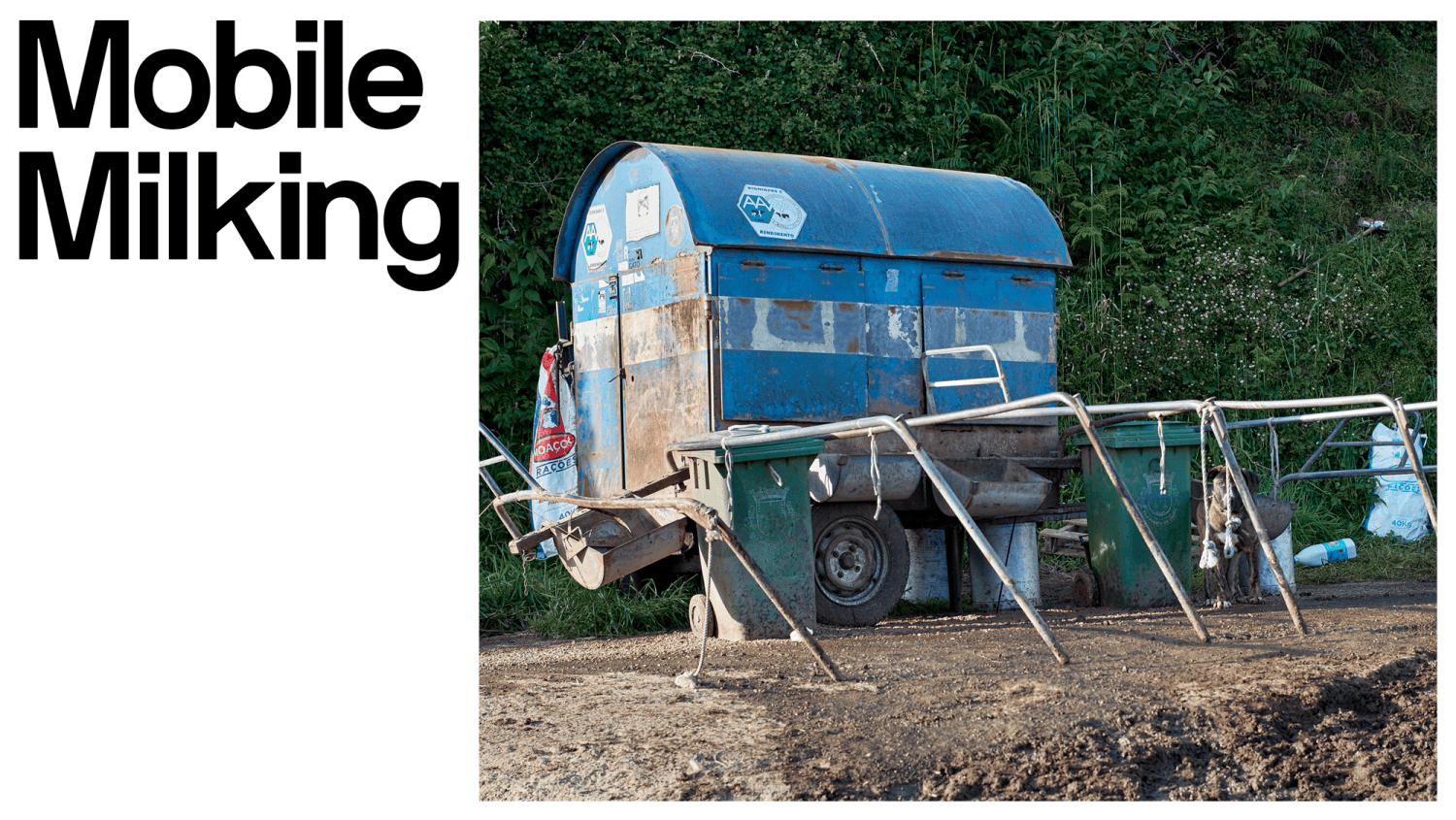
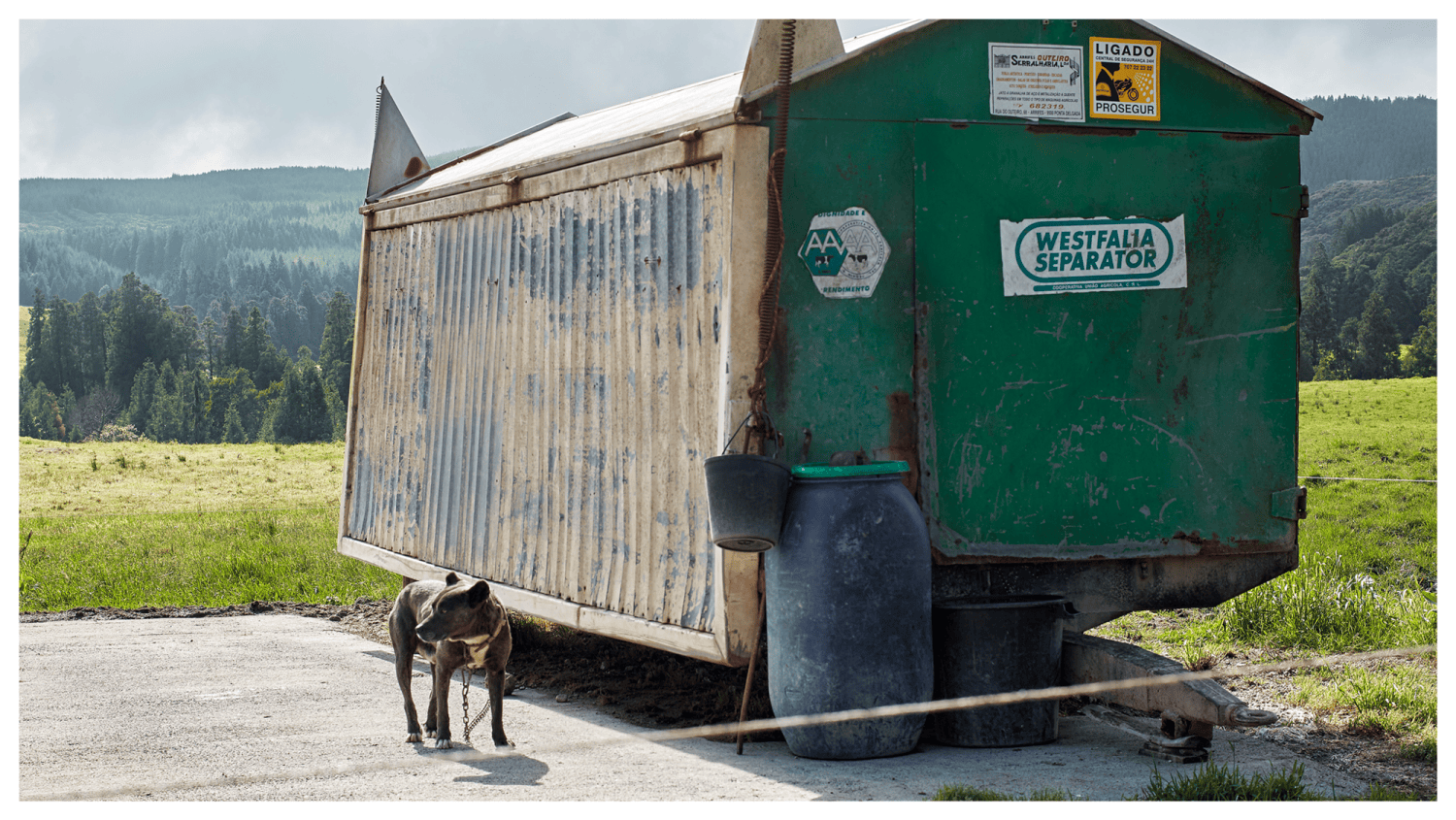
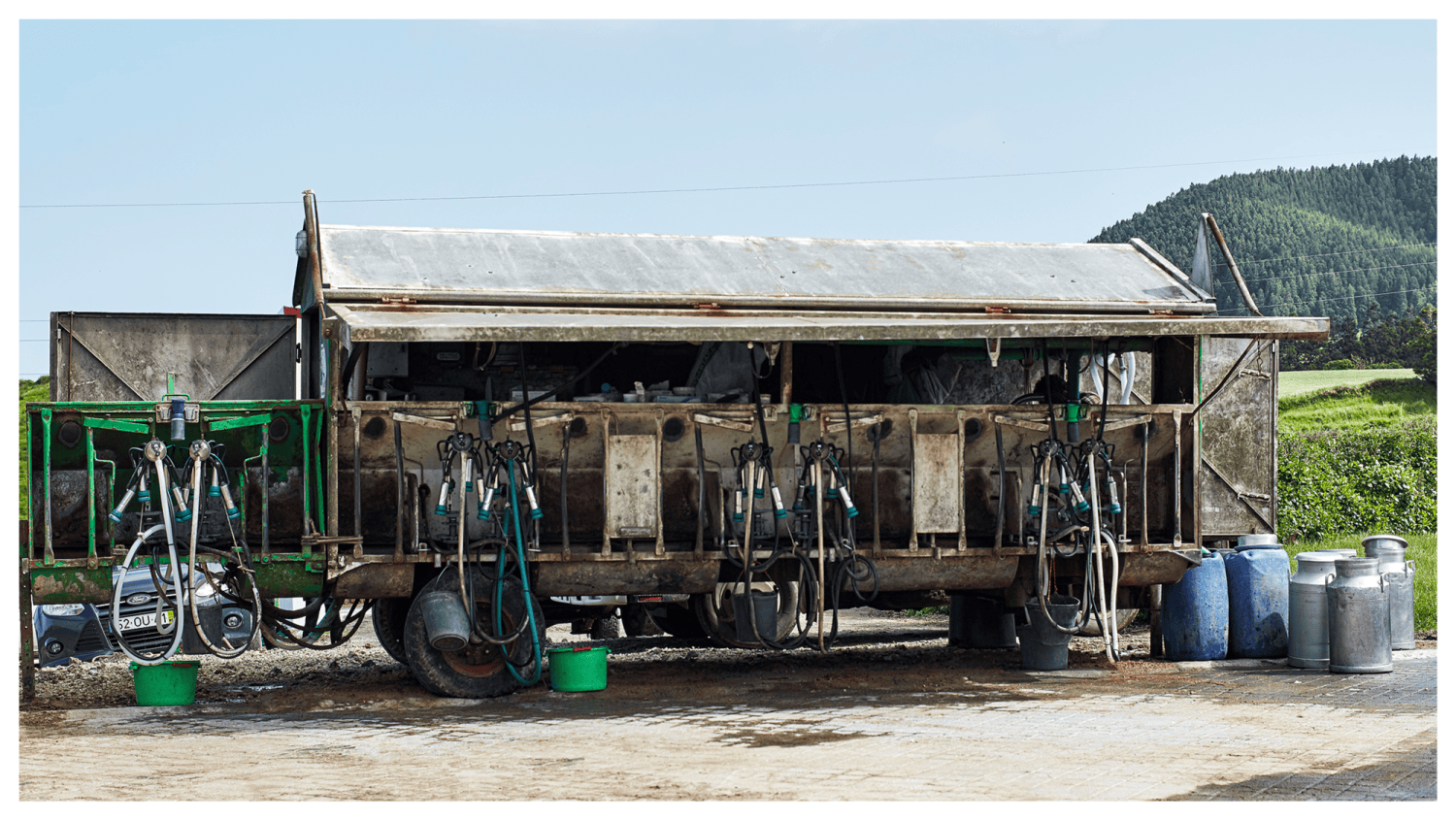
This continual relocation precludes the use of conventional farm buildings. Instead, architectural solutions such as mobile milking parlors facilitate the relocation of farm operations as needed. These compact, mechanized structures have enabled dairy farming in this unconventional setting while preserving the island’s unique cultural identity.
This continual relocation precludes the use of conventional farm buildings. Instead, architectural solutions such as mobile milking parlors facilitate the relocation of farm operations as needed. These compact, mechanized structures have enabled dairy farming in this unconventional setting while preserving the island’s unique cultural identity.

● Fish and Aquaculture
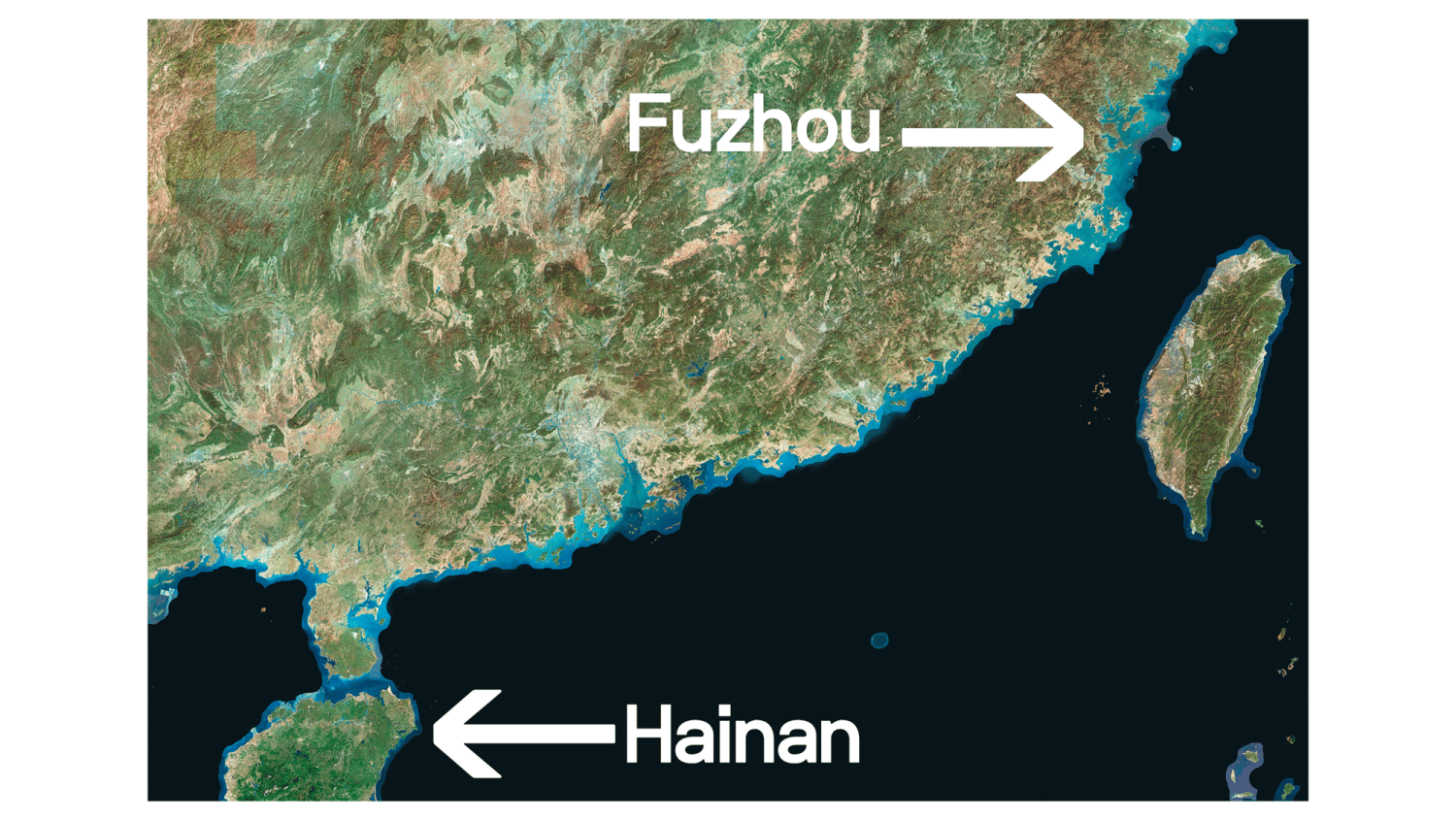
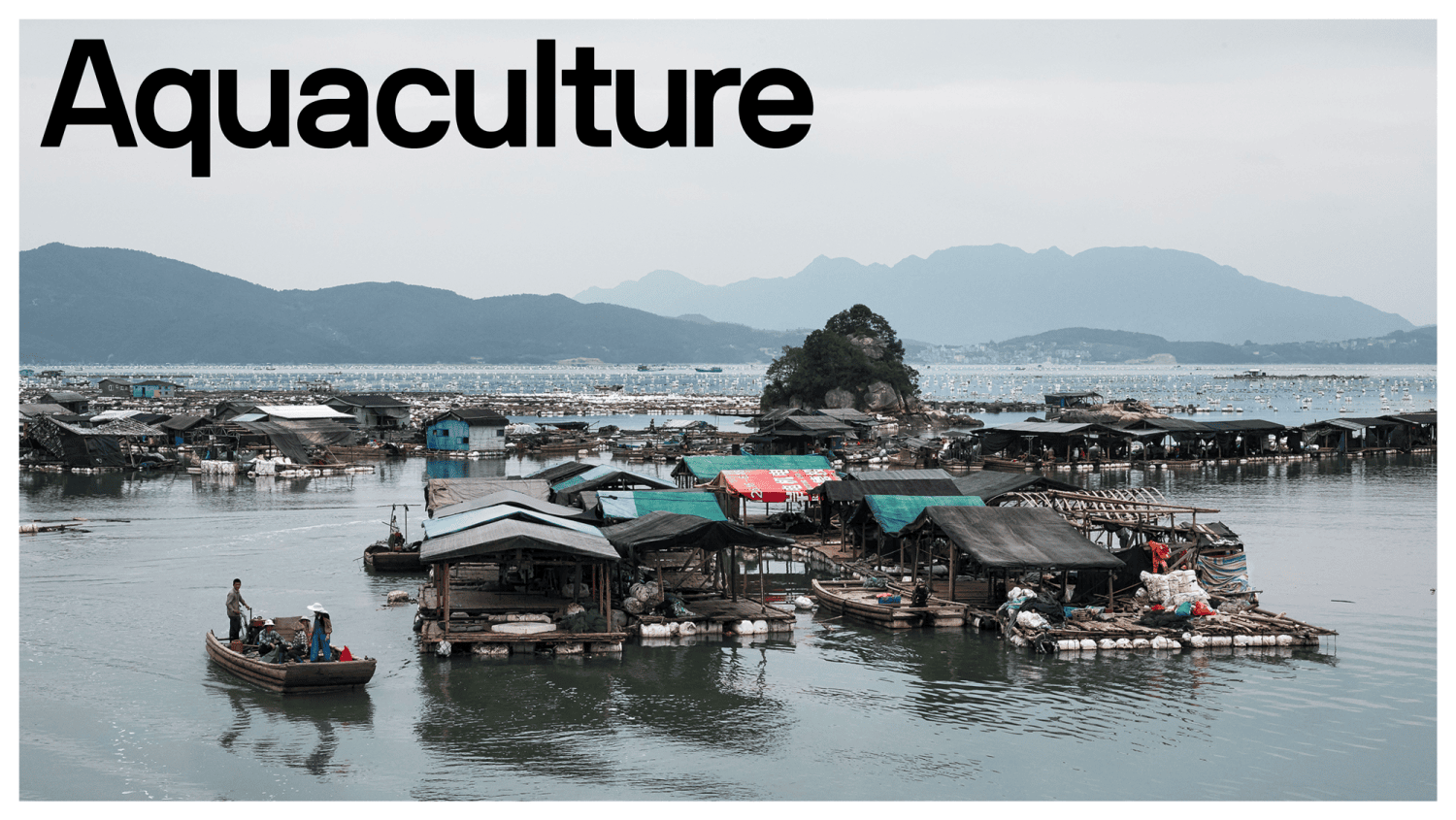
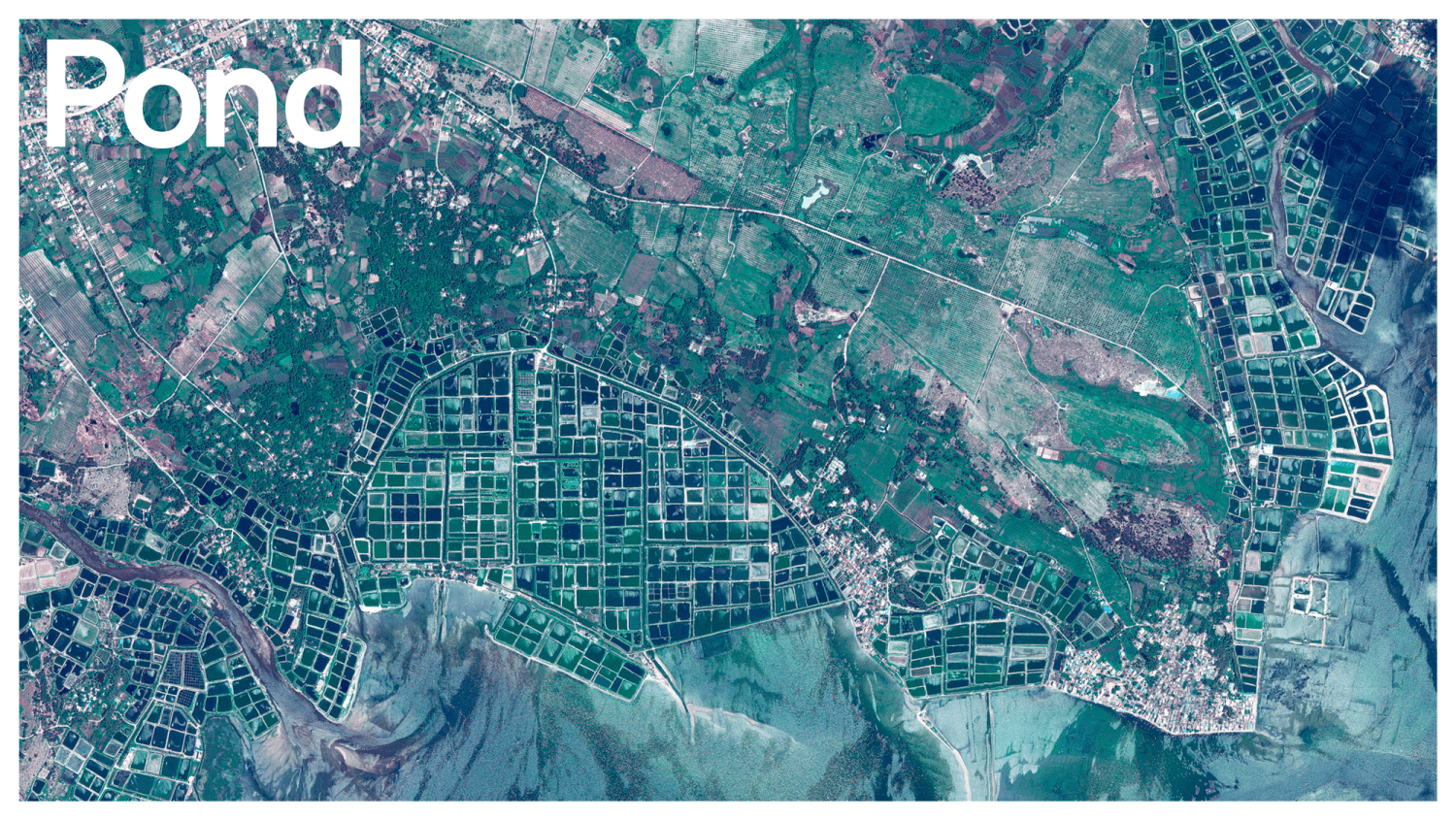
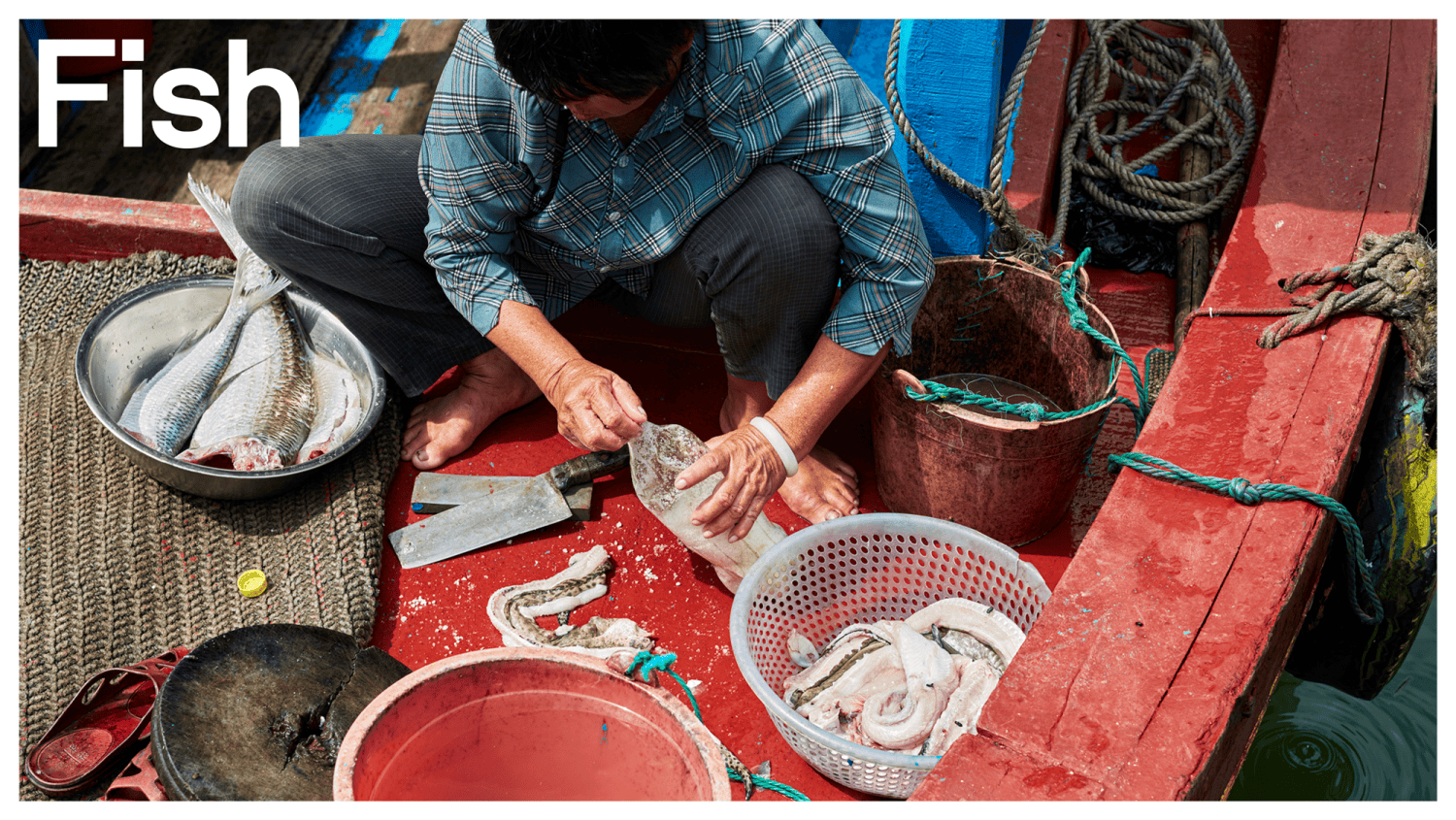
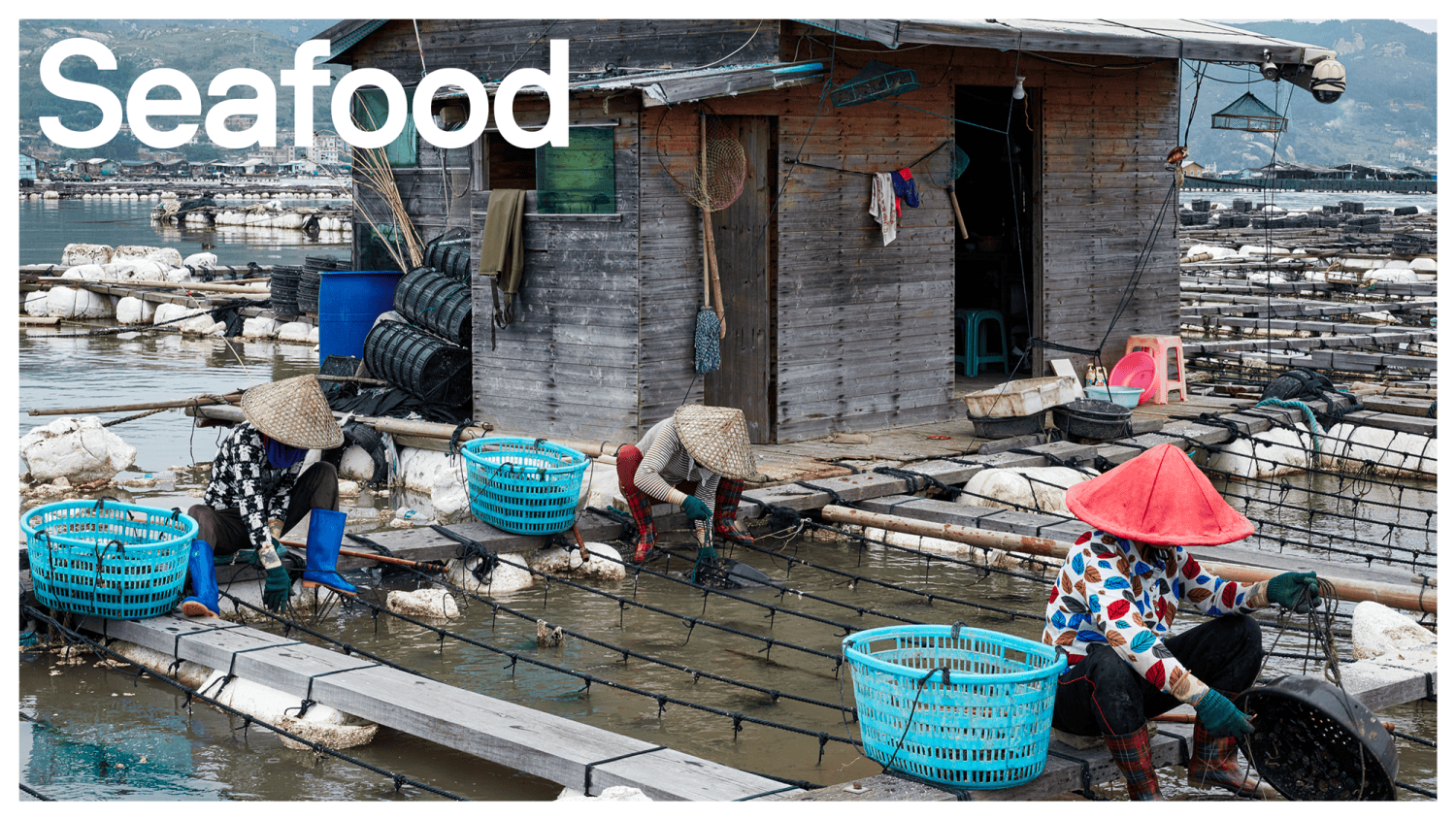
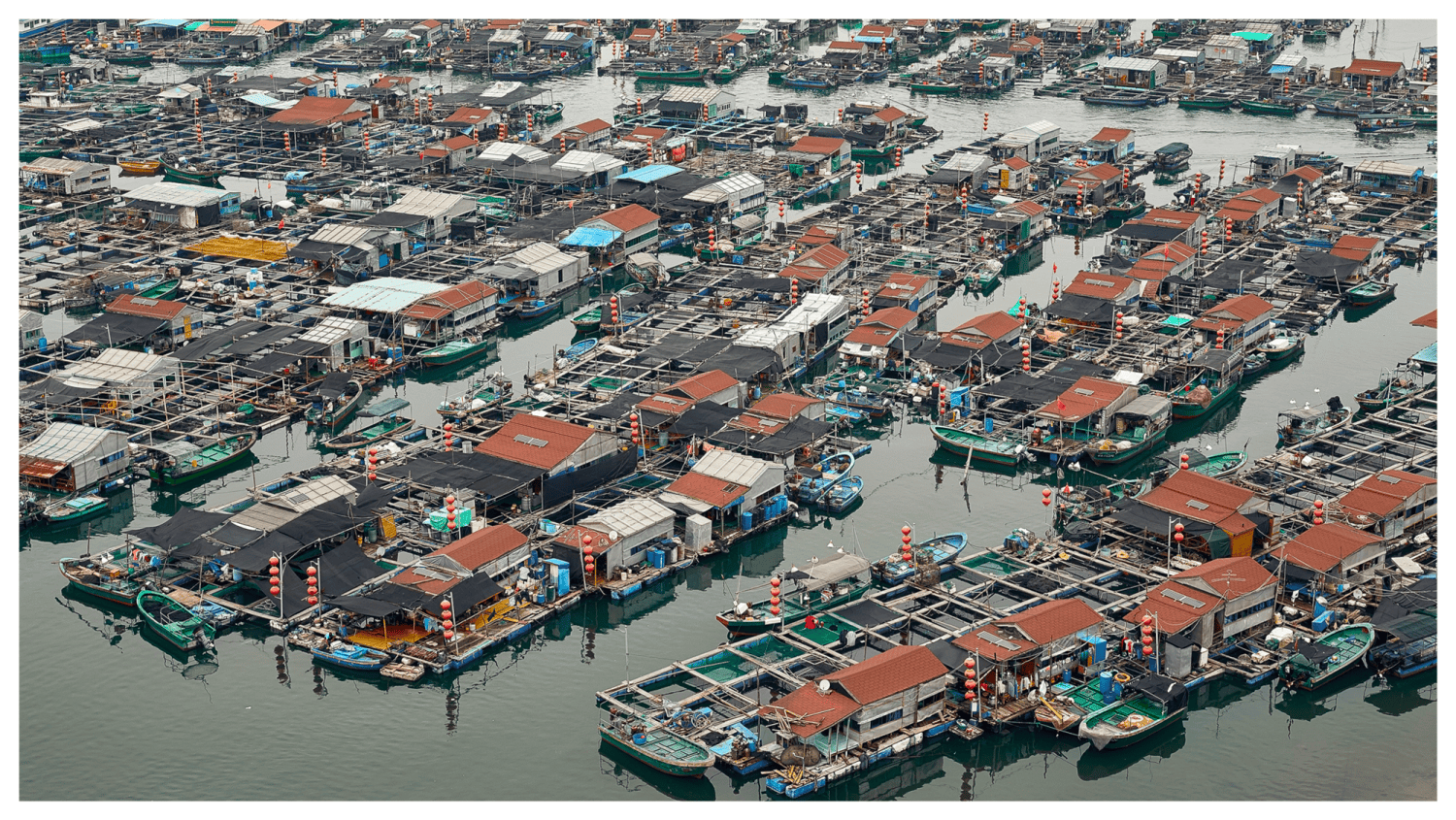
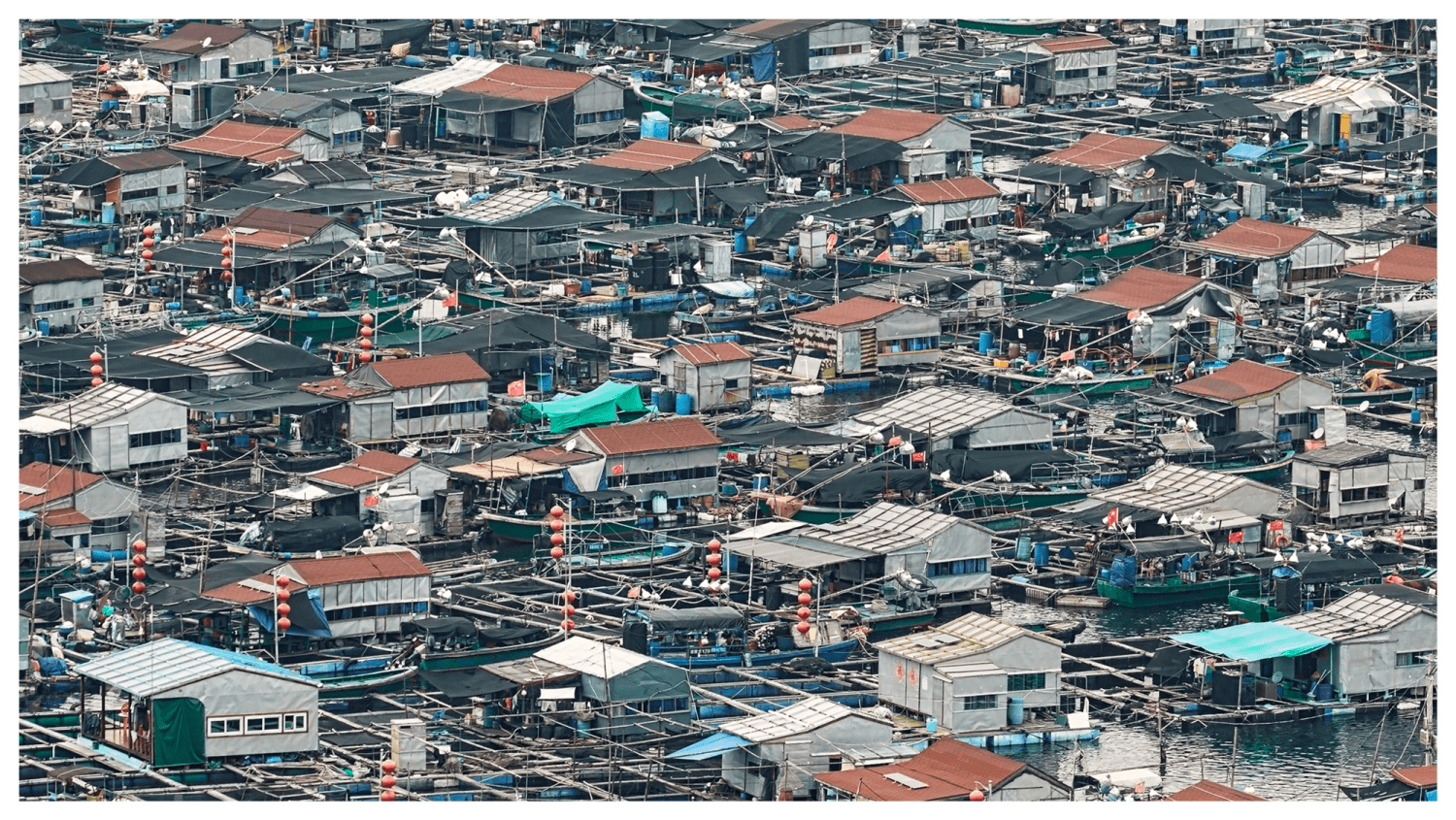
Aquaculture. Fish Farming in China
China leads the world in seafood production. In 2024, the country produced about 74.1 million metric tons of seafood, with aquaculture making up 58.1 million metric tons. Fish farming remains the main source of growth for China’s seafood industry, and the country continues to hold a strong position in global aquaculture.
According to the Food and Agriculture Organization (FAO), China accounted for approximately 56.7% of global aquatic animal production and 59.5% of algal farming in 2020. The FAO’s 2024 fisheries report further indicates that upper-middle-income countries, led by China.


● Building Systems and Tipological Research
Tipologies & Material Systems.
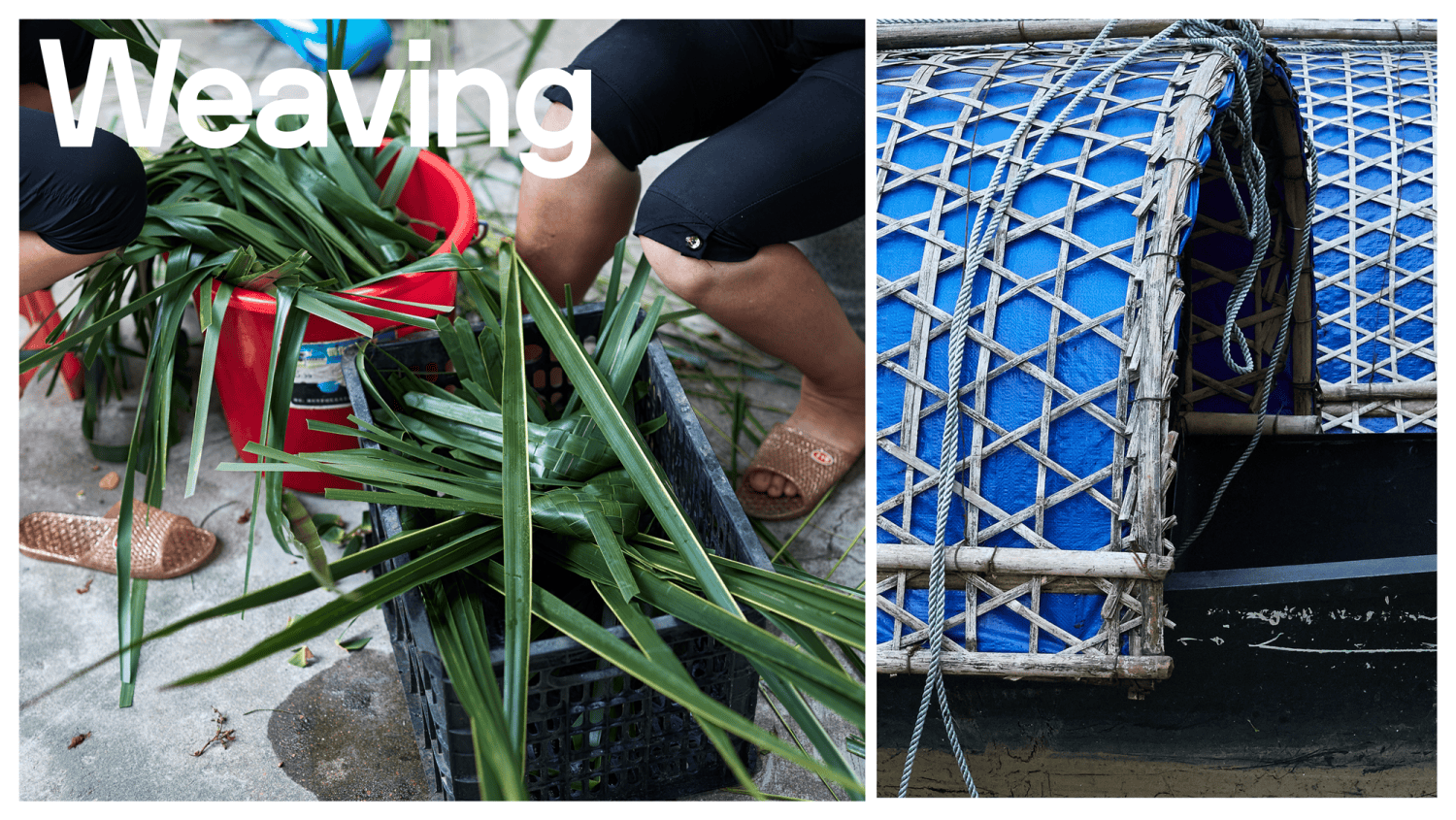
Building systems are essential for maximizing resource efficiency and adapting to environmental conditions.
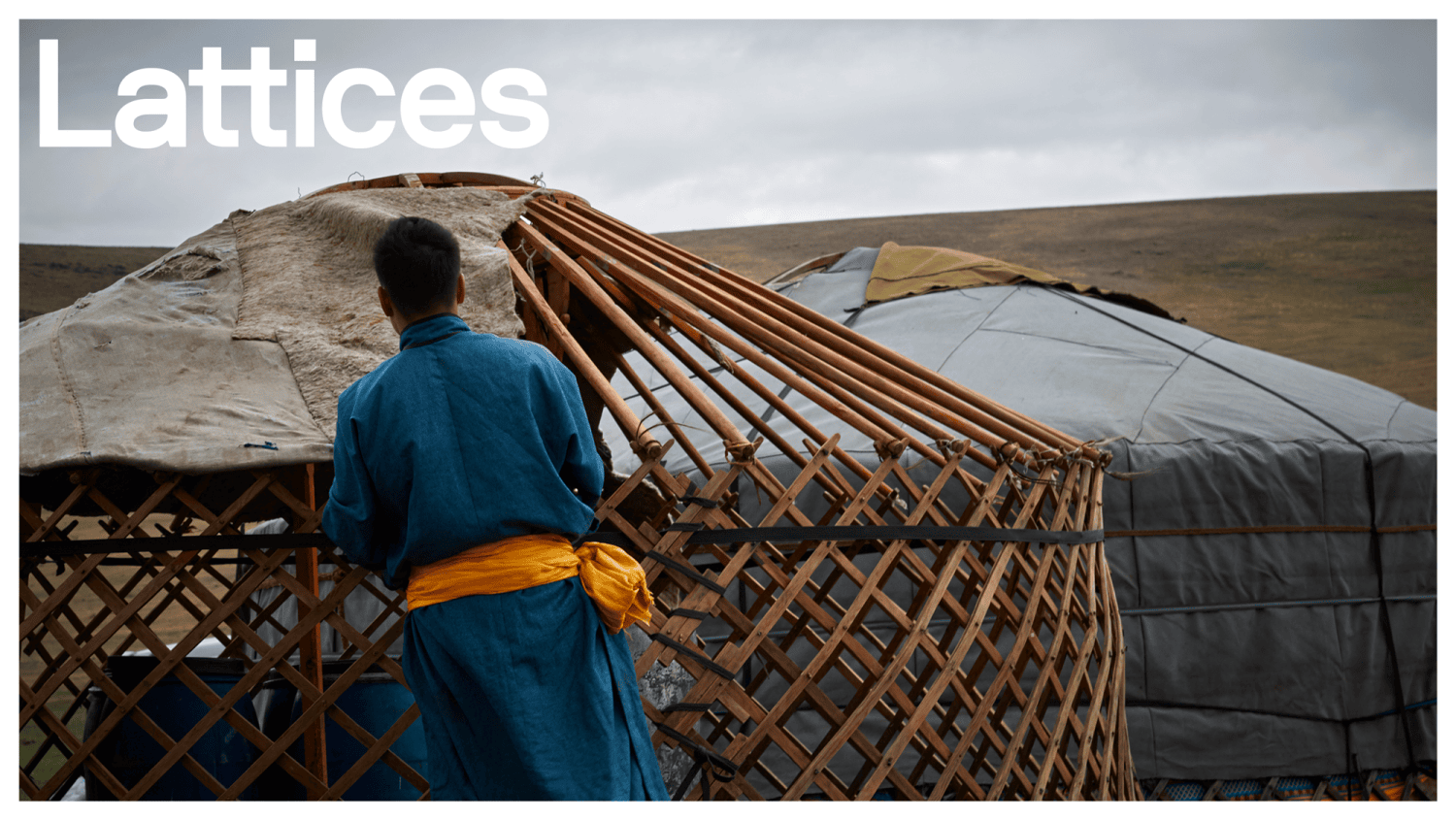
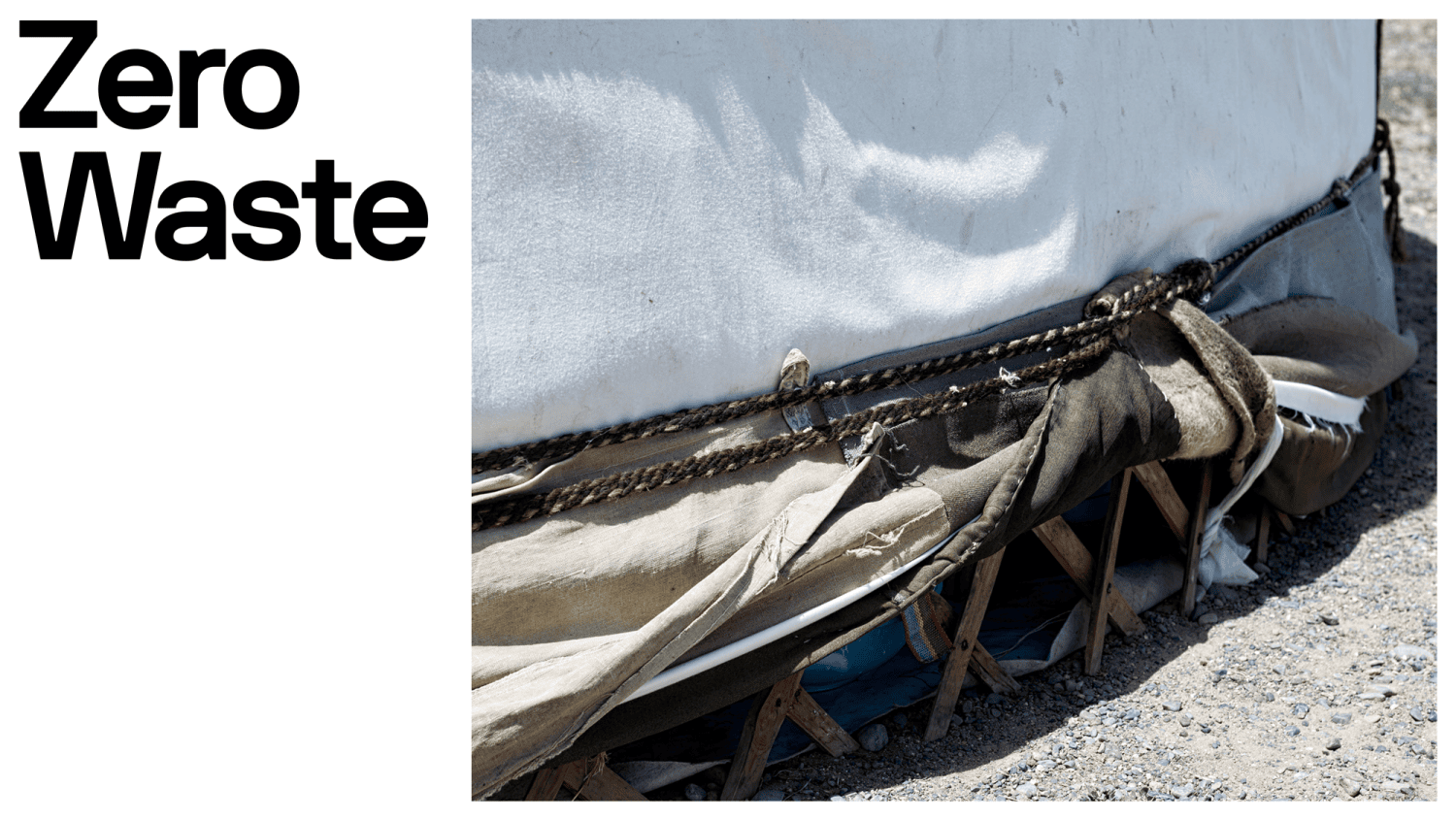
A lattice functions as both an external structural component and an internal storage system for everyday objects and tools. Structural connectors consist of knots crafted from animal skin and lubricated with milkfat. All materials are utilized efficiently; ropes are produced using the same method. Sheep felt forms a waterproof exterior shell.
Pastoral systems exemplify the ongoing technological pursuit of boundaries, representing a frontier where architectural control and dominance yield to natural environments.

● Gender - Rural Areas
Gender Inequality Index
Gender inequality is often worse in rural areas than in cities, even though there is no separate rural Gender Inequality Index (GII). International data show that women in rural communities have less access to land, credit, education, social protection, and fair pay. They also do more unpaid care and domestic work than men. These issues lead to large gender gaps in economic power, decision-making, and daily life in rural areas.
The Food and Agriculture Organization reports that in 32 out of 49 countries with data, women make up less than 40% of people who own or have rights to agricultural land. Also, farms managed by women produce 24% less than those managed by men of the same size.
Women working in agricultural wage jobs also earn less than men. The FAO estimates that women in agriculture make about 18.4% less than men.
The Food and Agriculture Organization reports that in 32 out of 49 countries with data, women make up less than 40% of people who own or have rights to agricultural land. Also, farms managed by women produce 24% less than those managed by men of the same size.
Women working in agricultural wage jobs also earn less than men. The FAO estimates that women in agriculture make about 18.4% less than men.
Unpaid work is another major contributor to rural inequality. Women spend 2.5 times as many hours each day on unpaid care and domestic work as men do. In rural areas, where collecting water, gathering fuel, and subsistence work are common, this extra work often limits women’s time for school, paid jobs, and leadership roles.




● Mennonites
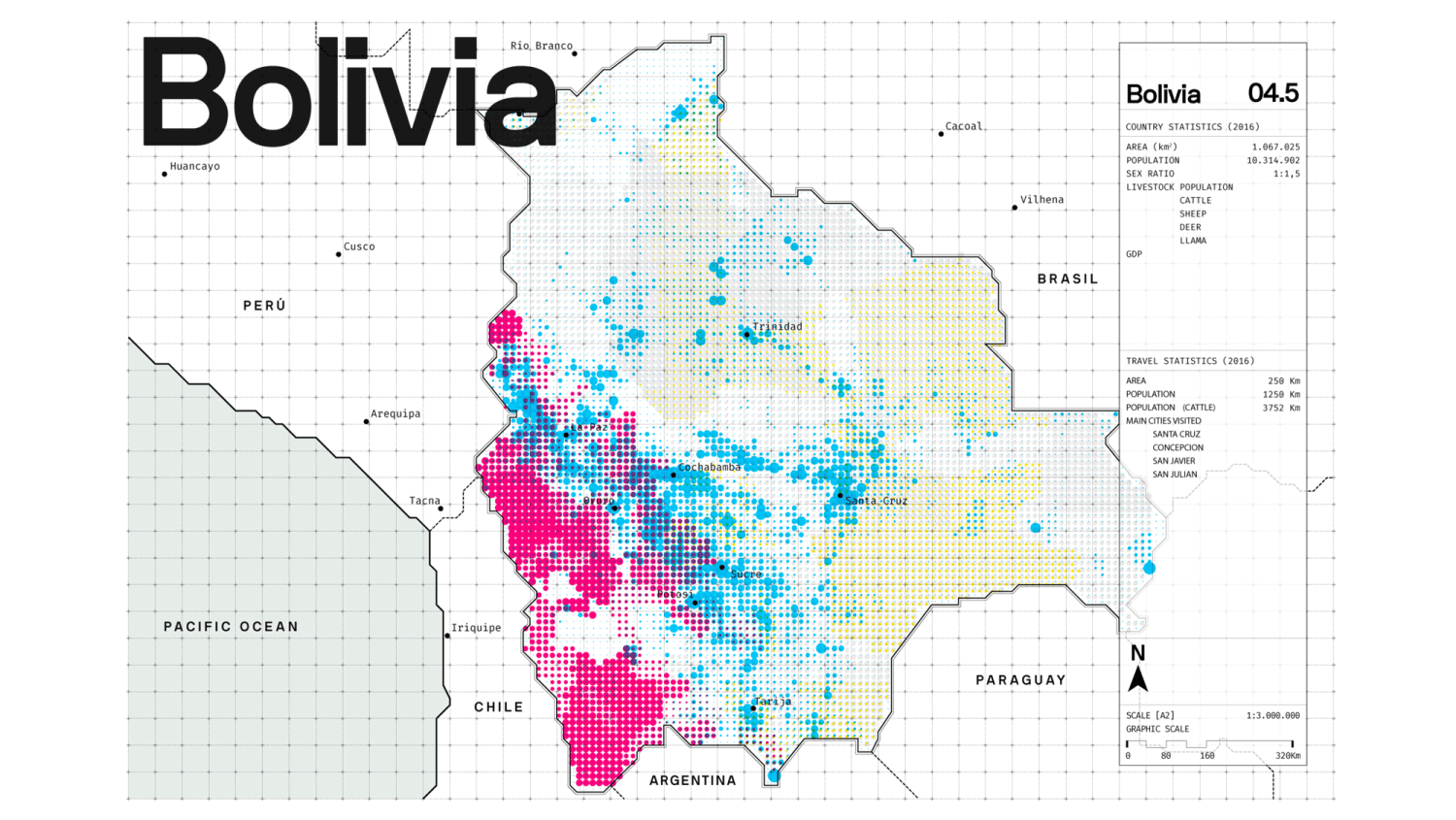
Case Studies of Bolivia and Paraguay. Mennonite Communities in Latin America.
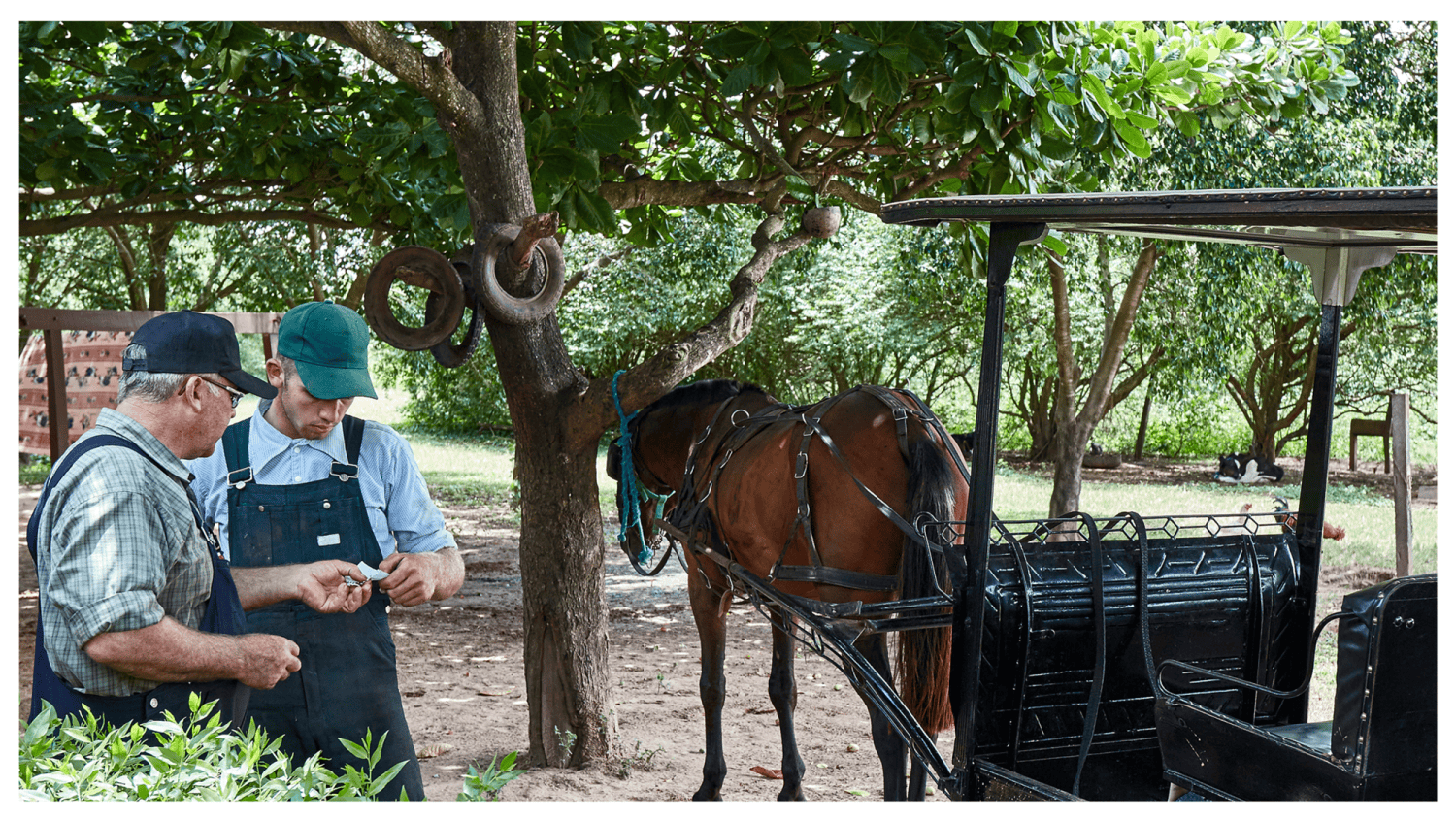
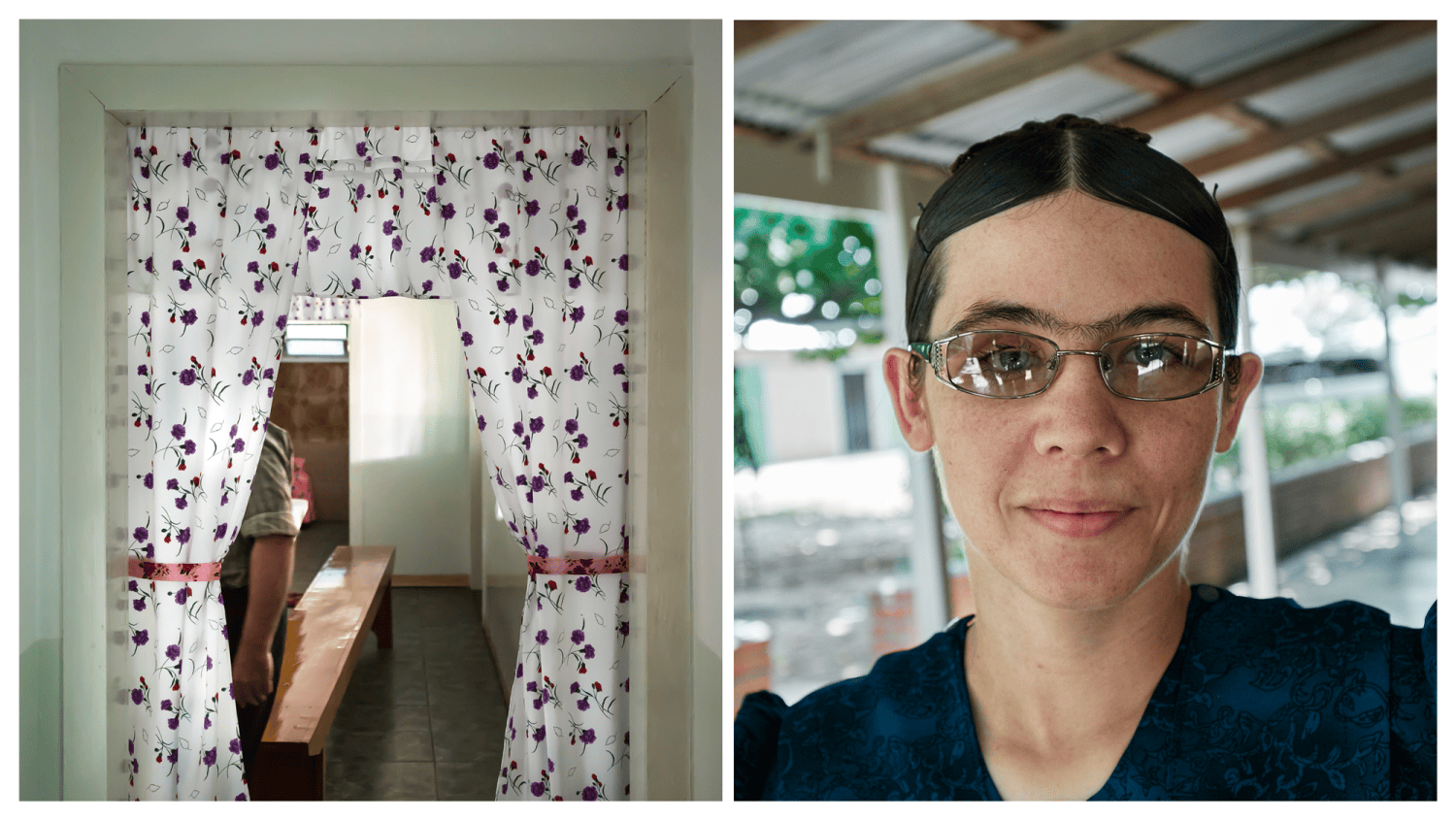
The Mennonite community exemplifies the persistent pursuit of new domestic frontiers, often referred to as a search for a Promised Land.
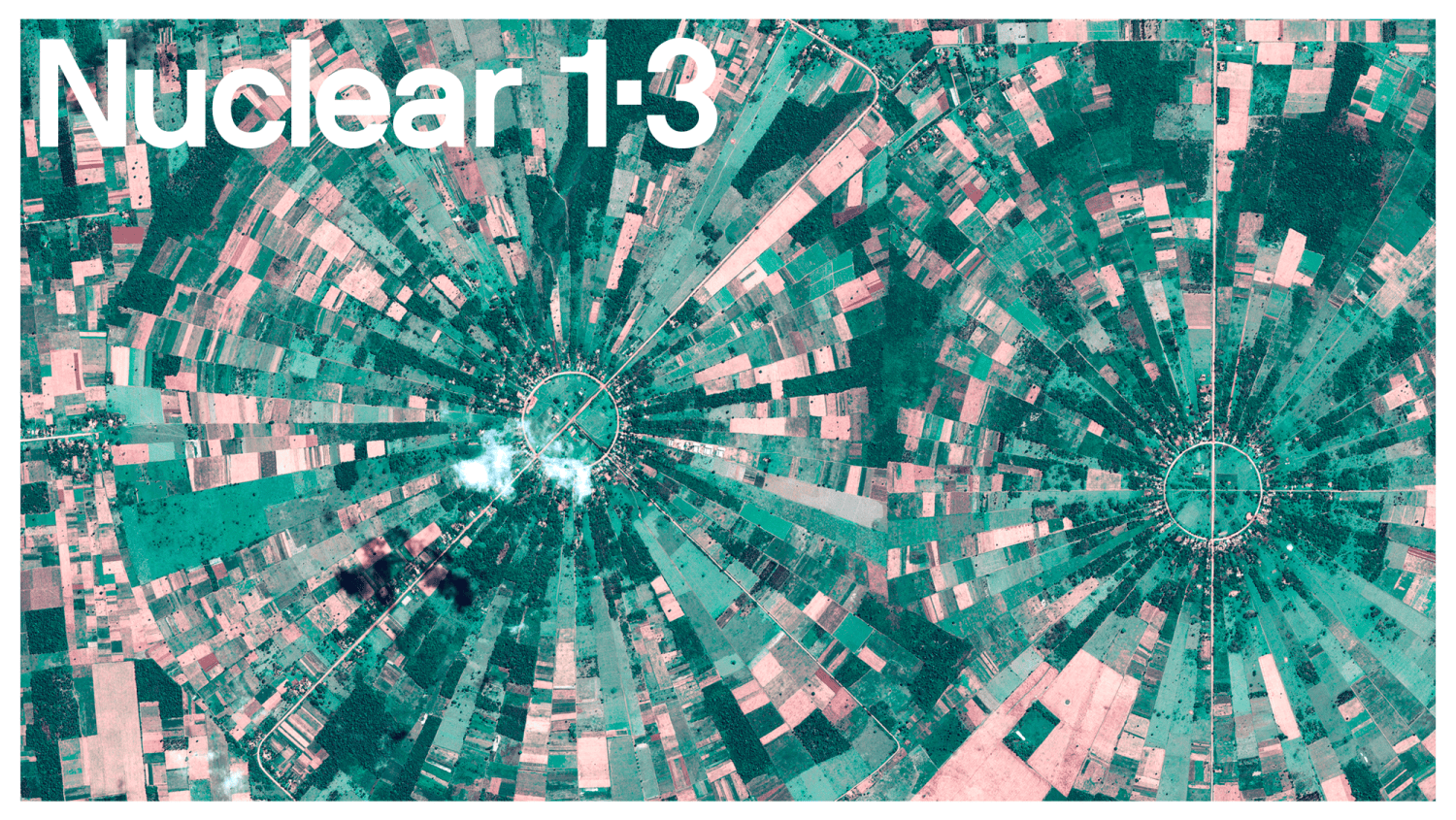
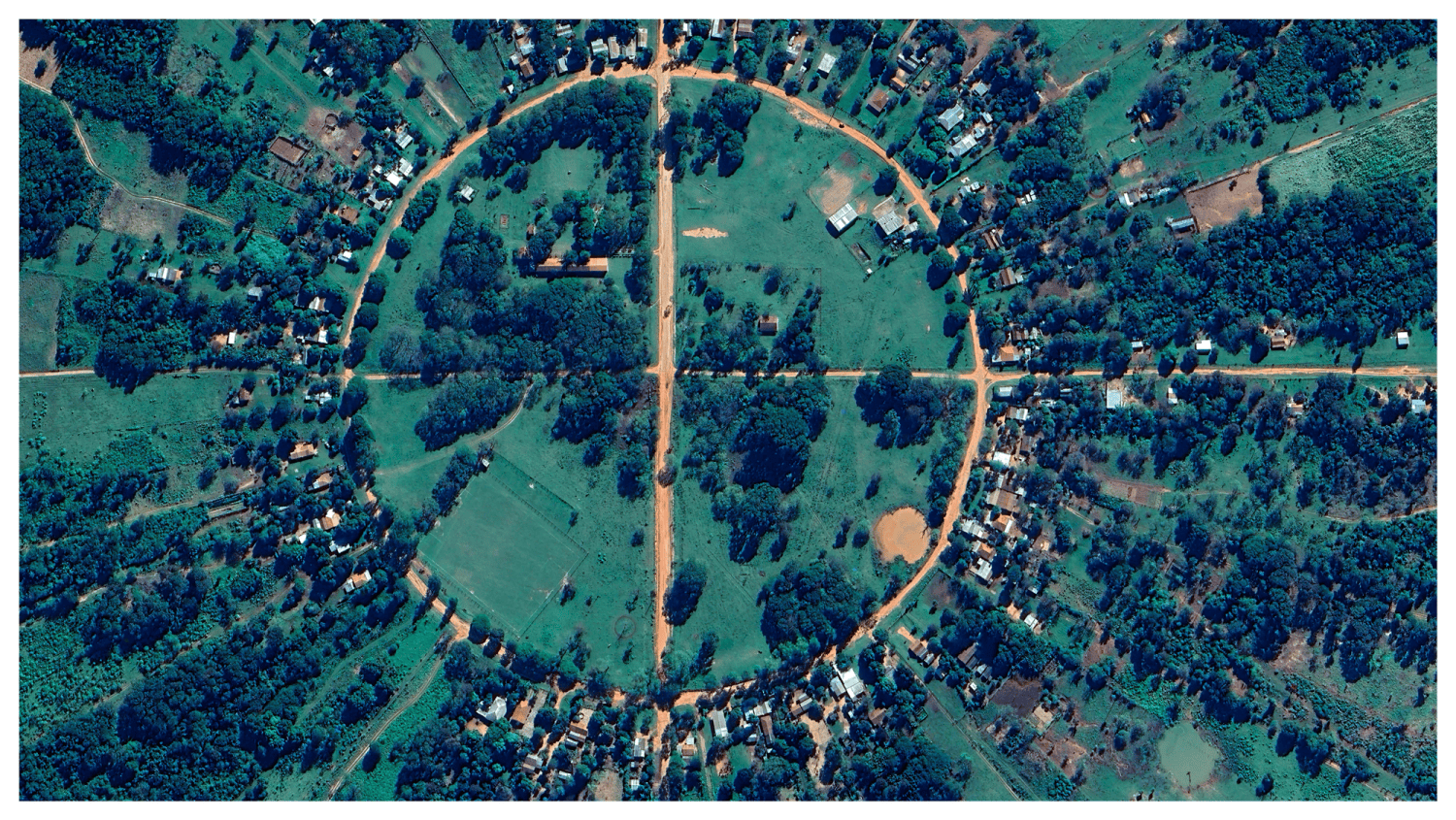
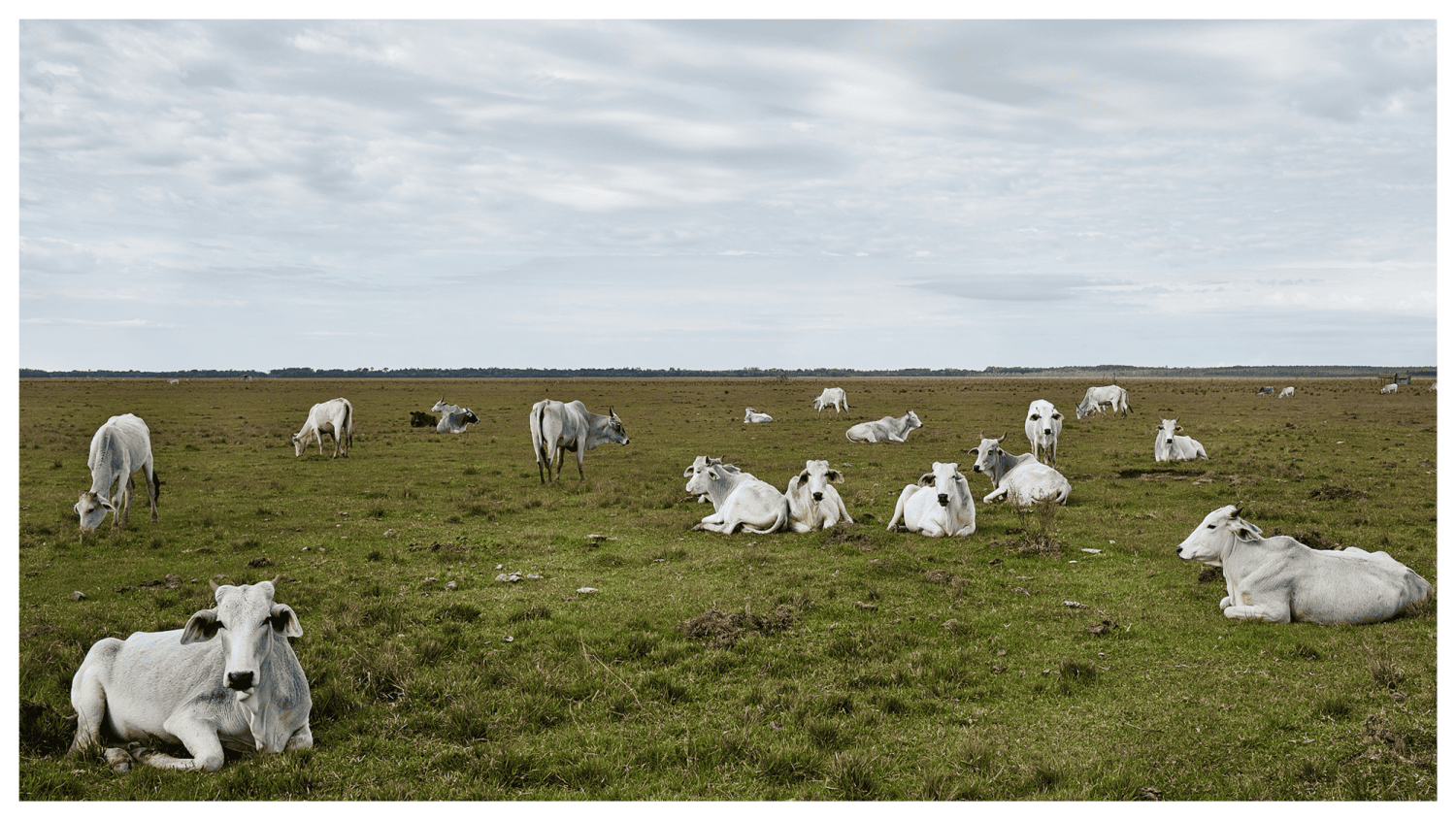
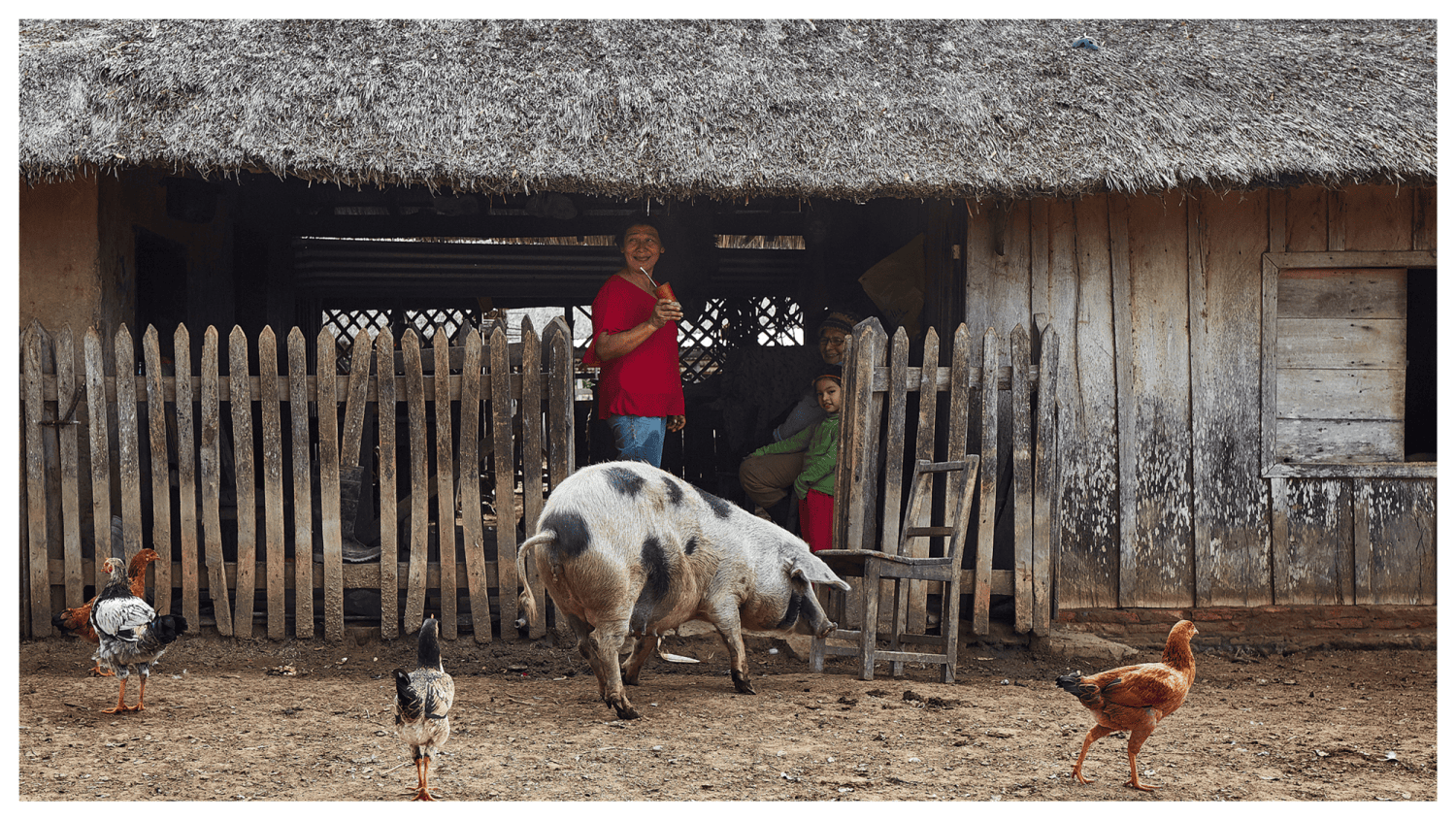
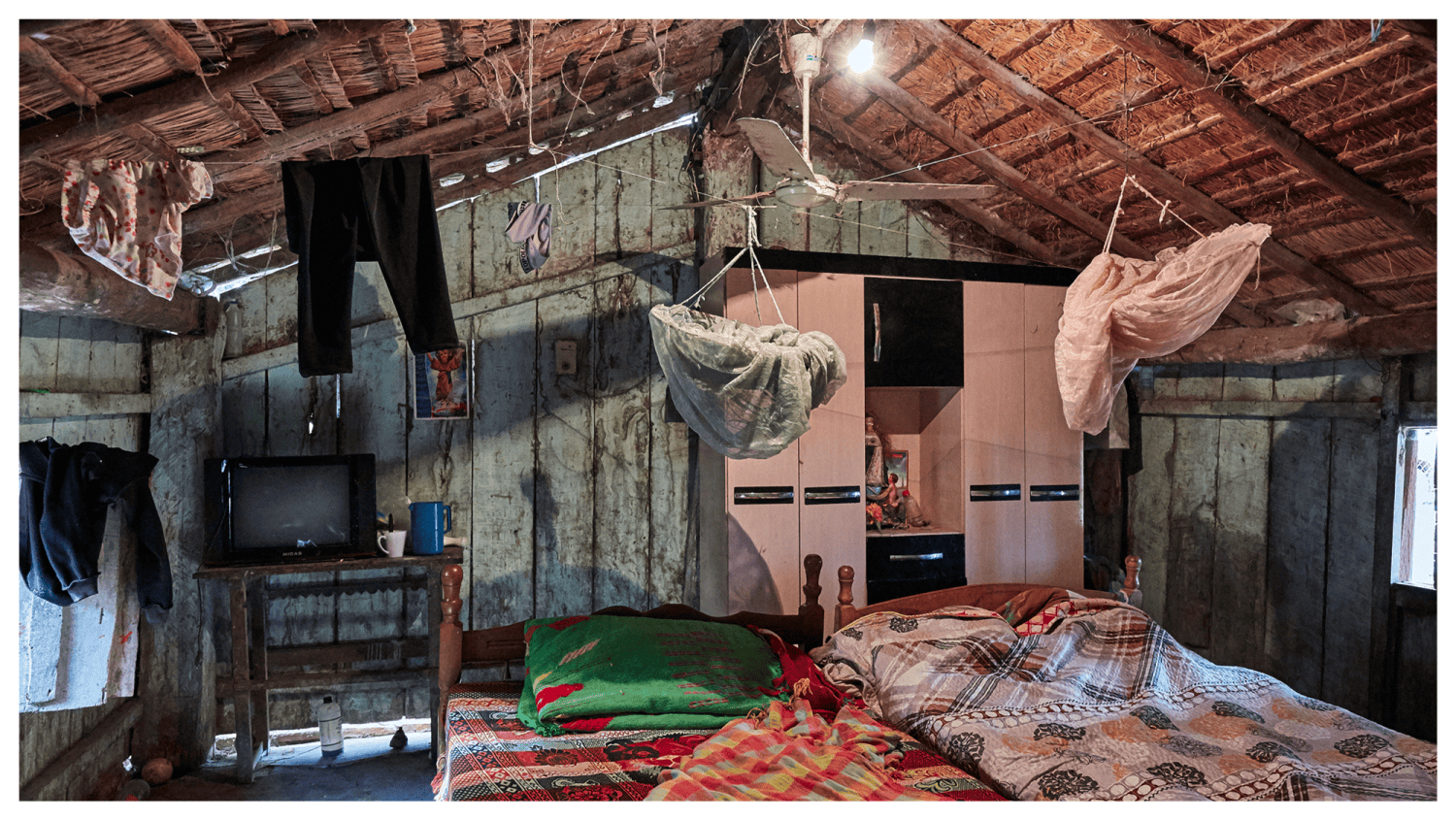
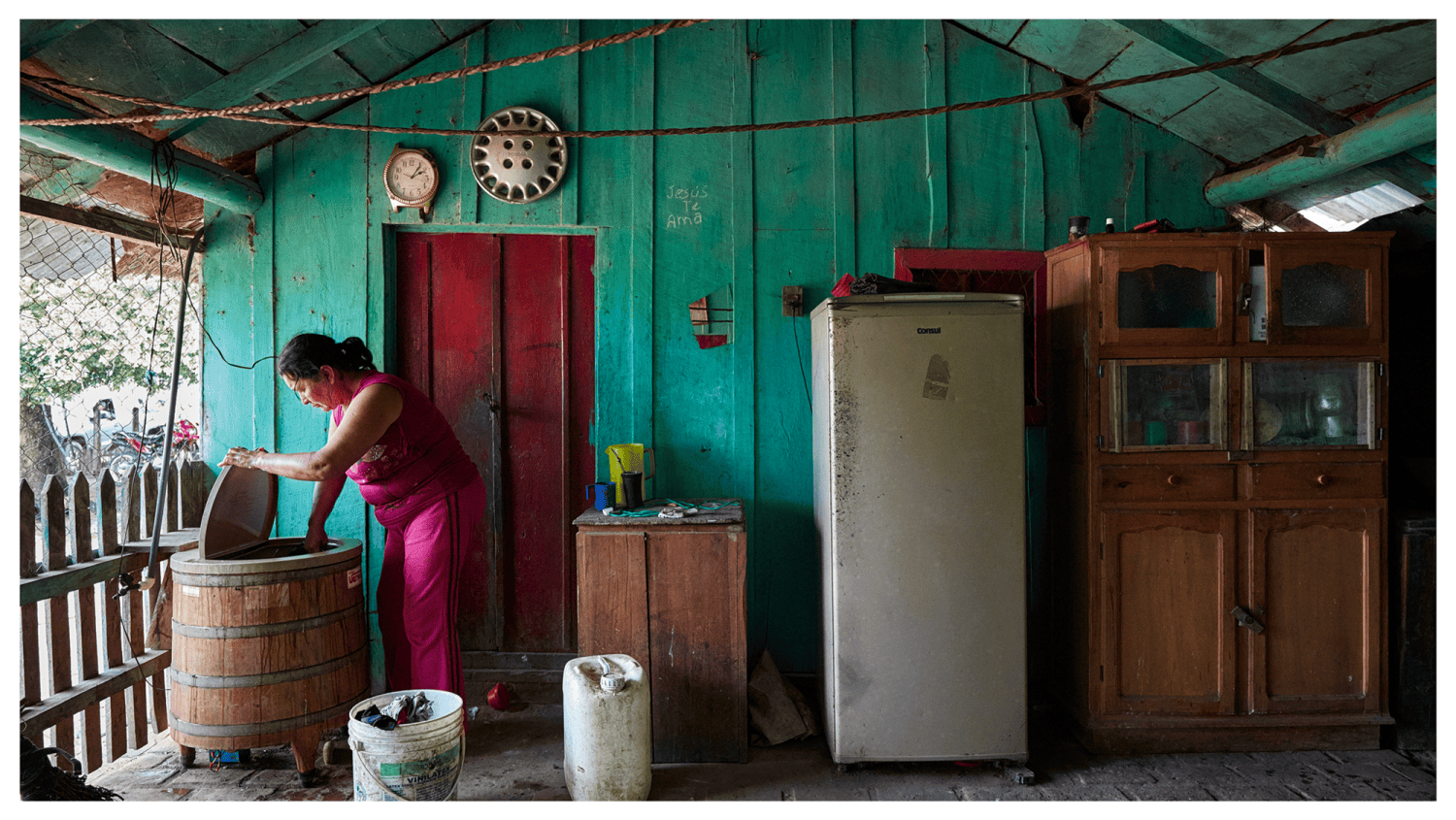
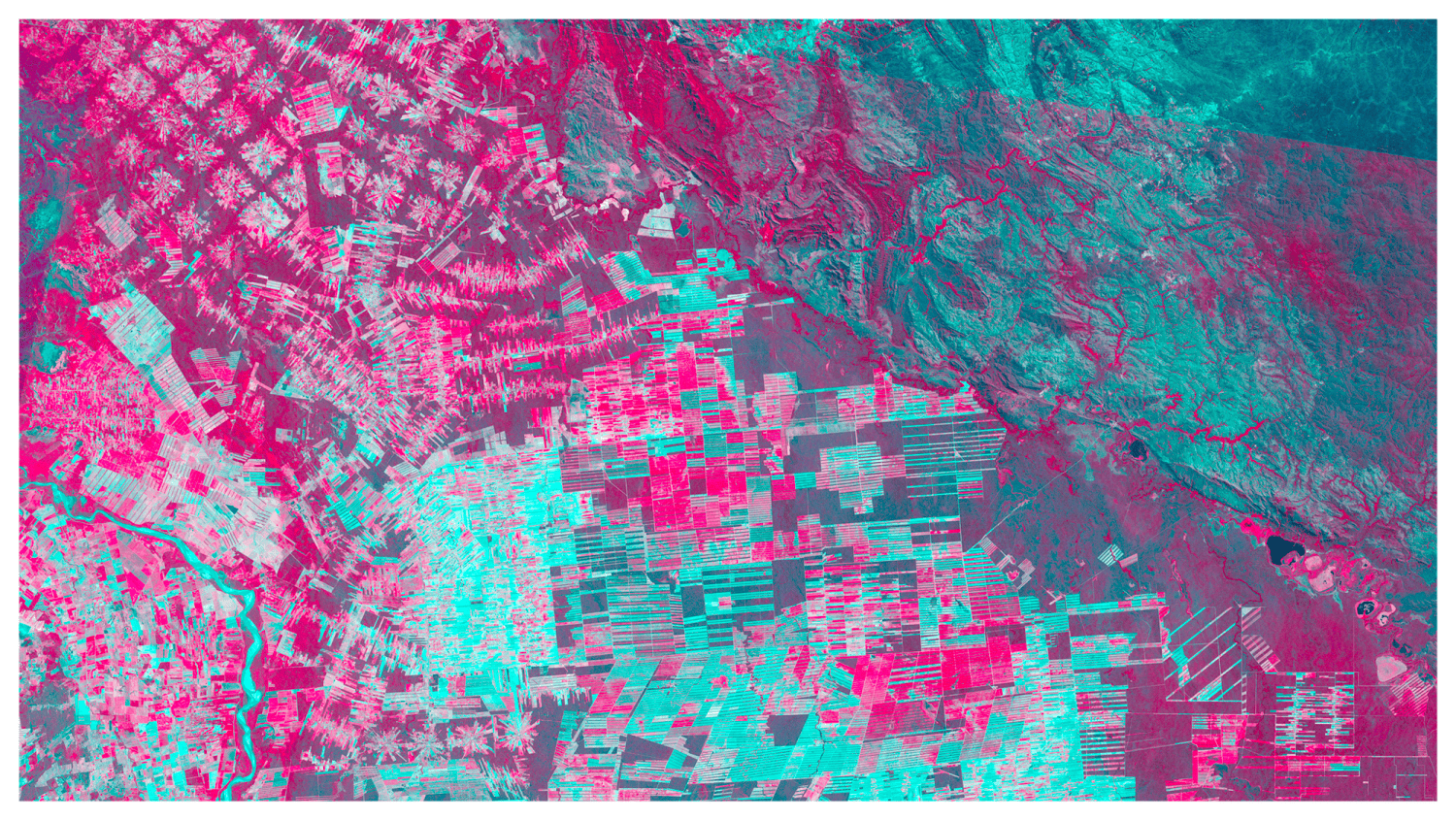
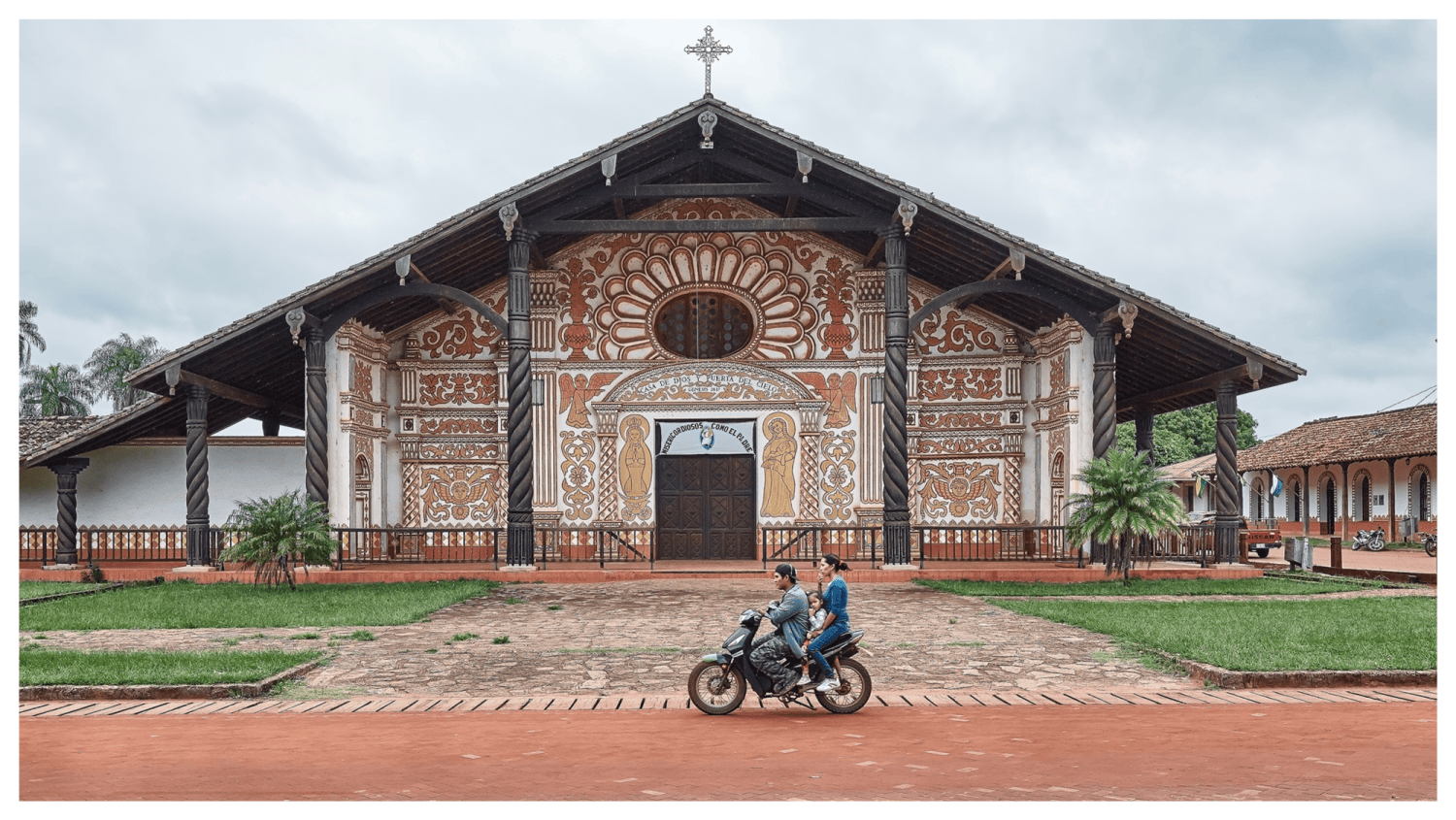
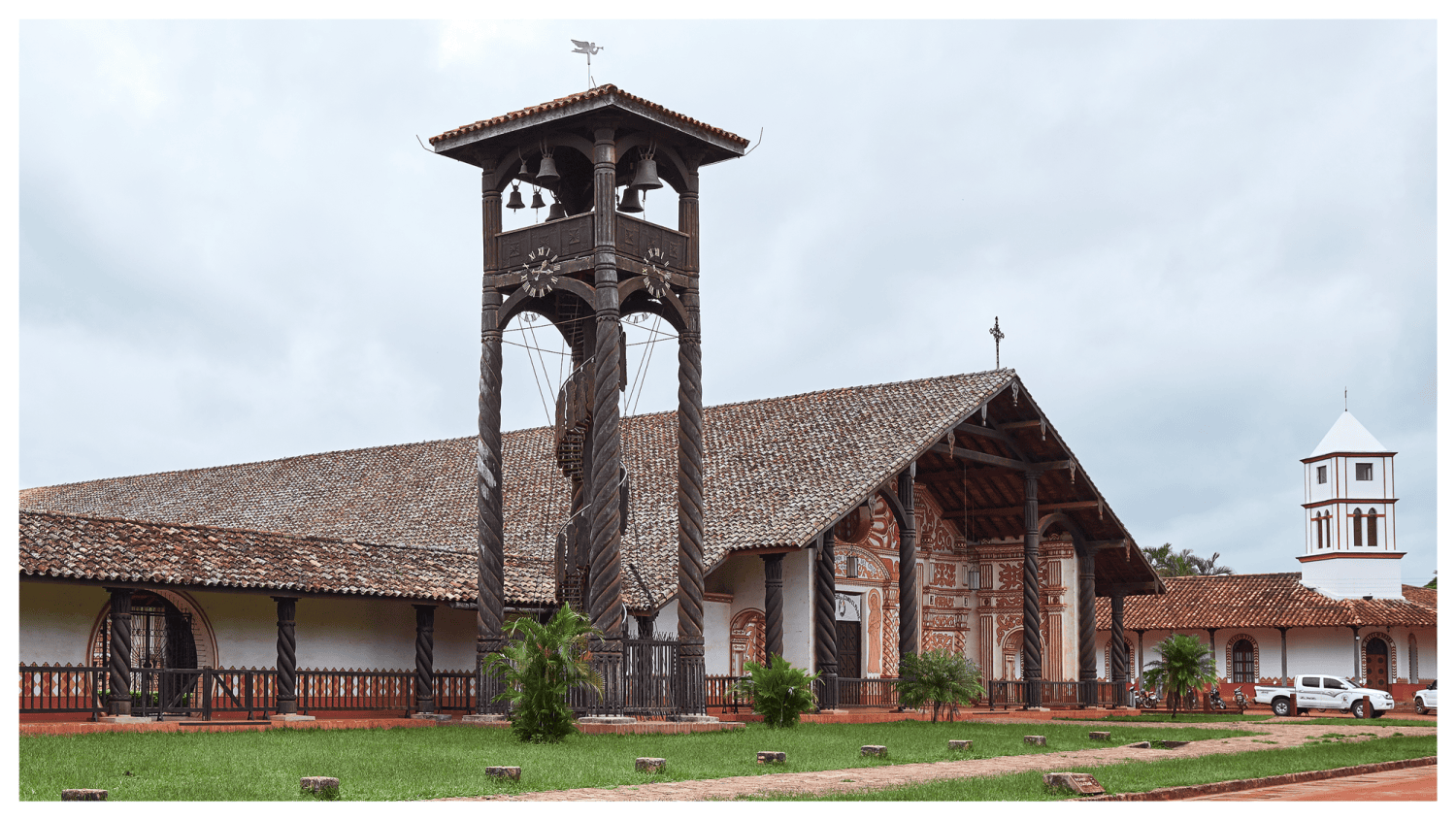
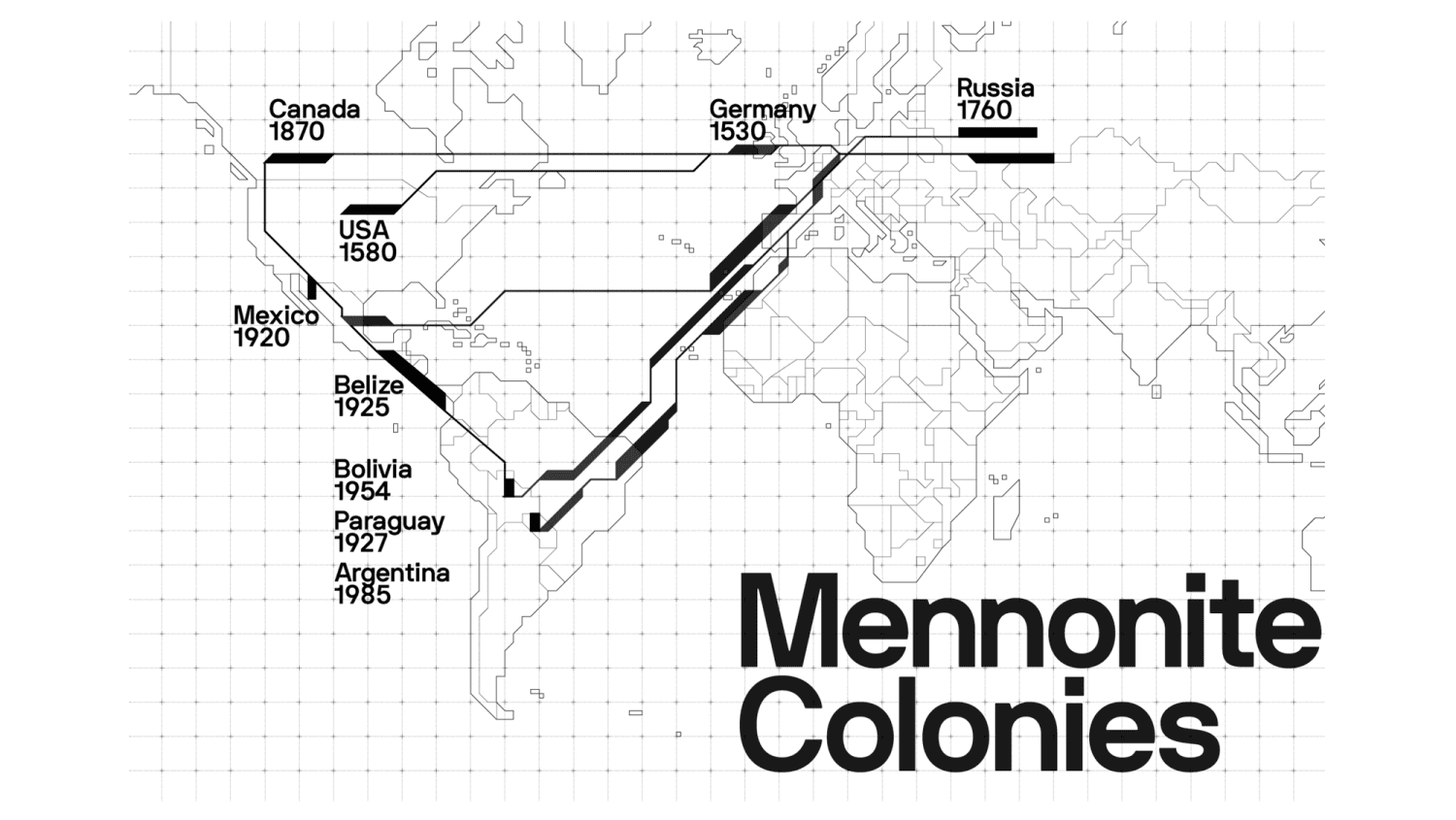
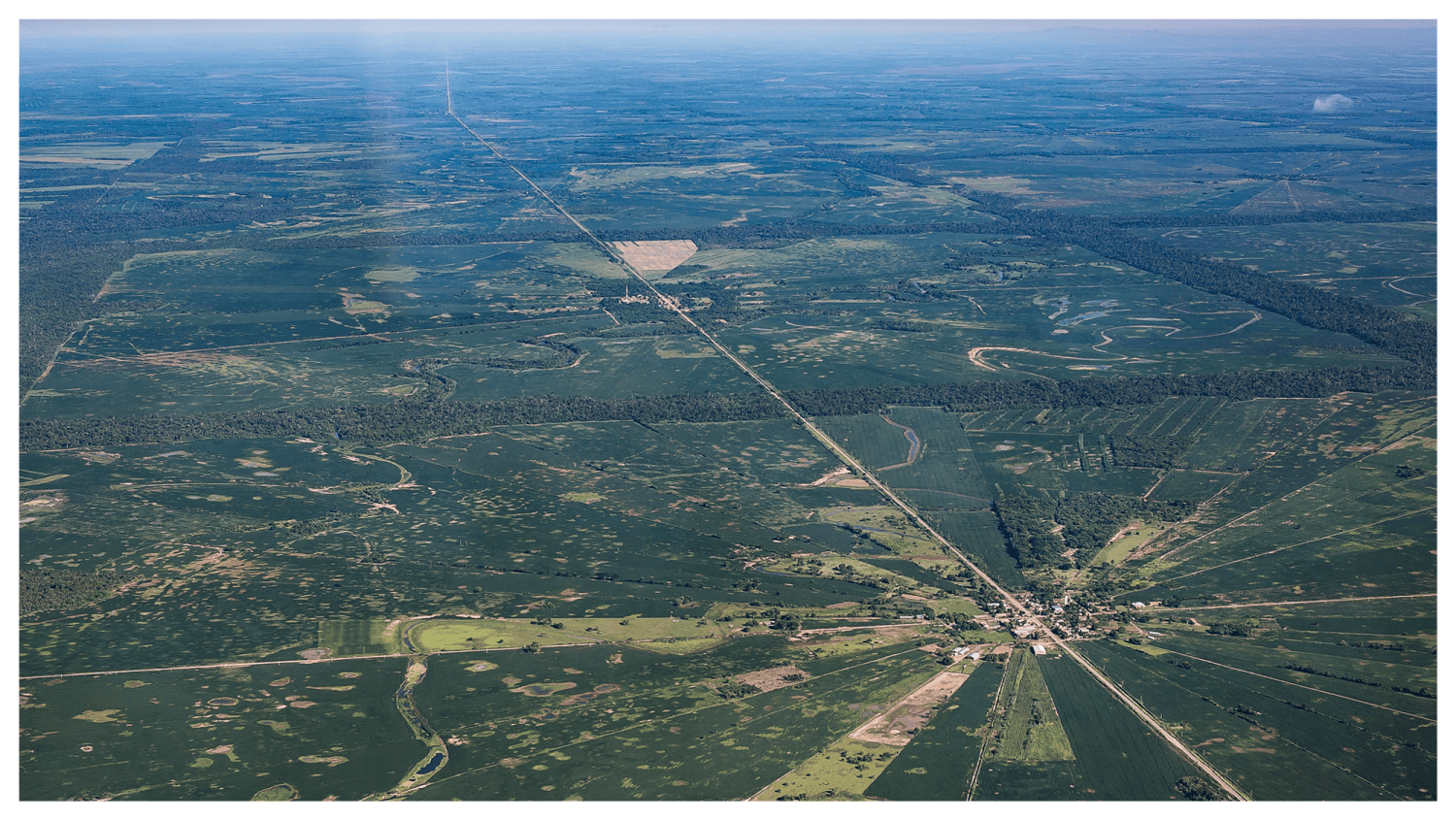
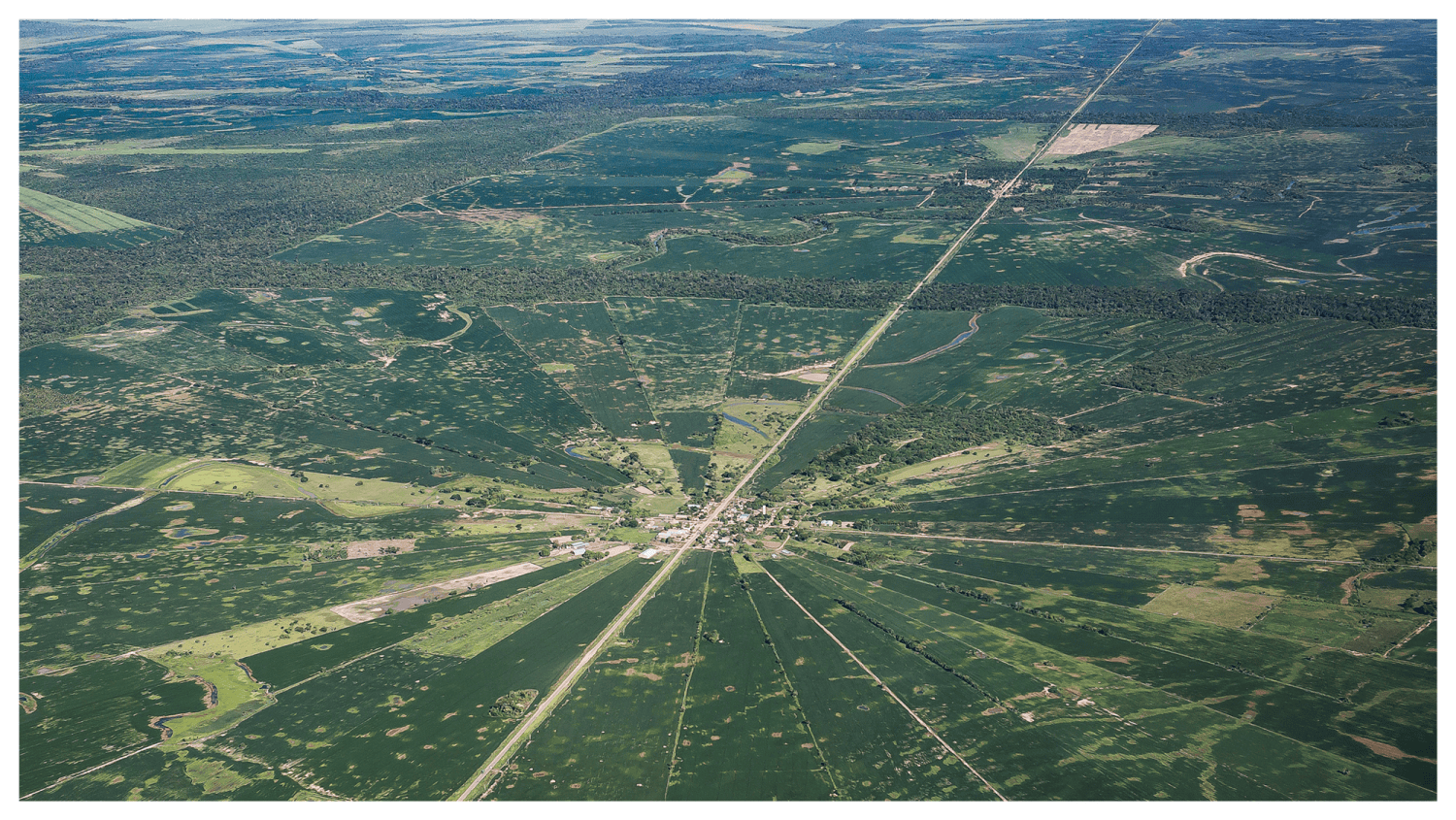
The global Mennonite diaspora originated during the Protestant Reformation of the 16th century. Mennonite colonies have consistently migrated, establishing new settlements and accepting invitations from various governments to inhabit remote and inhospitable regions that were otherwise undesirable. Official agreements with host states have typically outlined the community’s willingness to live in isolation, maintain religious traditions, educate their children in German, and abstain from military service or political involvement. Although many of the territories granted to Mennonites included some of the most challenging environments and infertile soils—ranging from Alberta, Canada, to Monterrey, Mexico, Belize, Bolivia, and Gran Chaco—and despite the community’s general reluctance to adopt electricity or modern technology, these colonies have become some of the most productive agricultural areas.
This transformation has resulted from collective effort, a strong work ethic, and an austere lifestyle. The three principal cooperatives established in El Chaco, Paraguay, during the 1930s—Neuland, Ferheim, and Chortitzer—have since incorporated modern technology and adapted agricultural techniques to address the region’s saline soil and water. These cooperatives currently produce 75% of Paraguay’s dairy output.
The global Mennonite diaspora originated during the Protestant Reformation of the 16th century. Mennonite colonies have consistently migrated, establishing new settlements and accepting invitations from various governments to inhabit remote and inhospitable regions that were otherwise undesirable. Official agreements with host states have typically outlined the community’s willingness to live in isolation, maintain religious traditions, educate their children in German, and abstain from military service or political involvement. Although many of the territories granted to Mennonites included some of the most challenging environments and infertile soils—ranging from Alberta, Canada, to Monterrey, Mexico, Belize, Bolivia, and Gran Chaco—and despite the community’s general reluctance to adopt electricity or modern technology, these colonies have become some of the most productive agricultural areas.
This transformation has resulted from collective effort, a strong work ethic, and an austere lifestyle. The three principal cooperatives established in El Chaco, Paraguay, during the 1930s—Neuland, Ferheim, and Chortitzer—have since incorporated modern technology and adapted agricultural techniques to address the region’s saline soil and water. These cooperatives currently produce 75% of Paraguay’s dairy output.
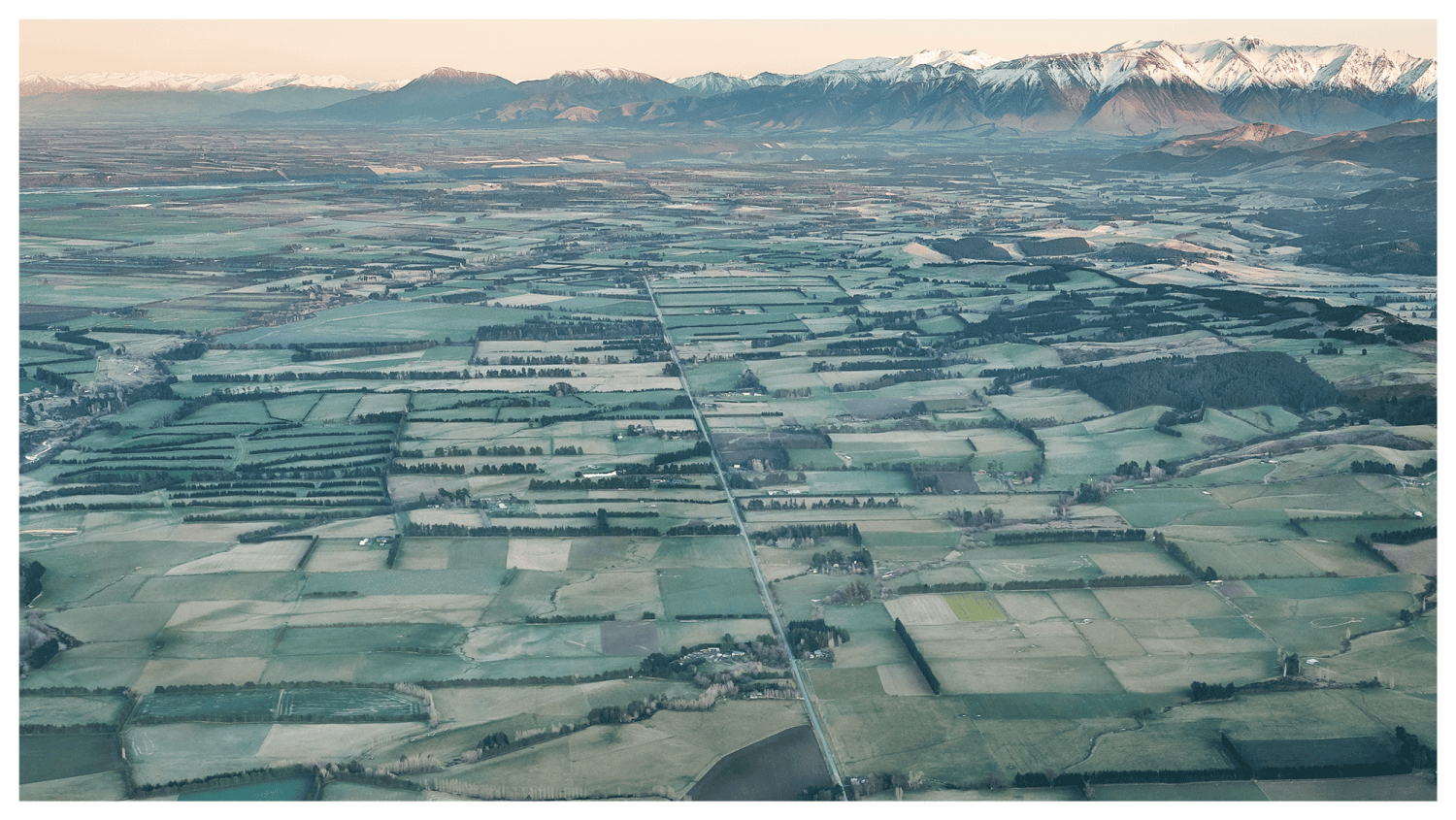
● New Zealand Windbreaks - Monterey Pine
New Zealand Farming
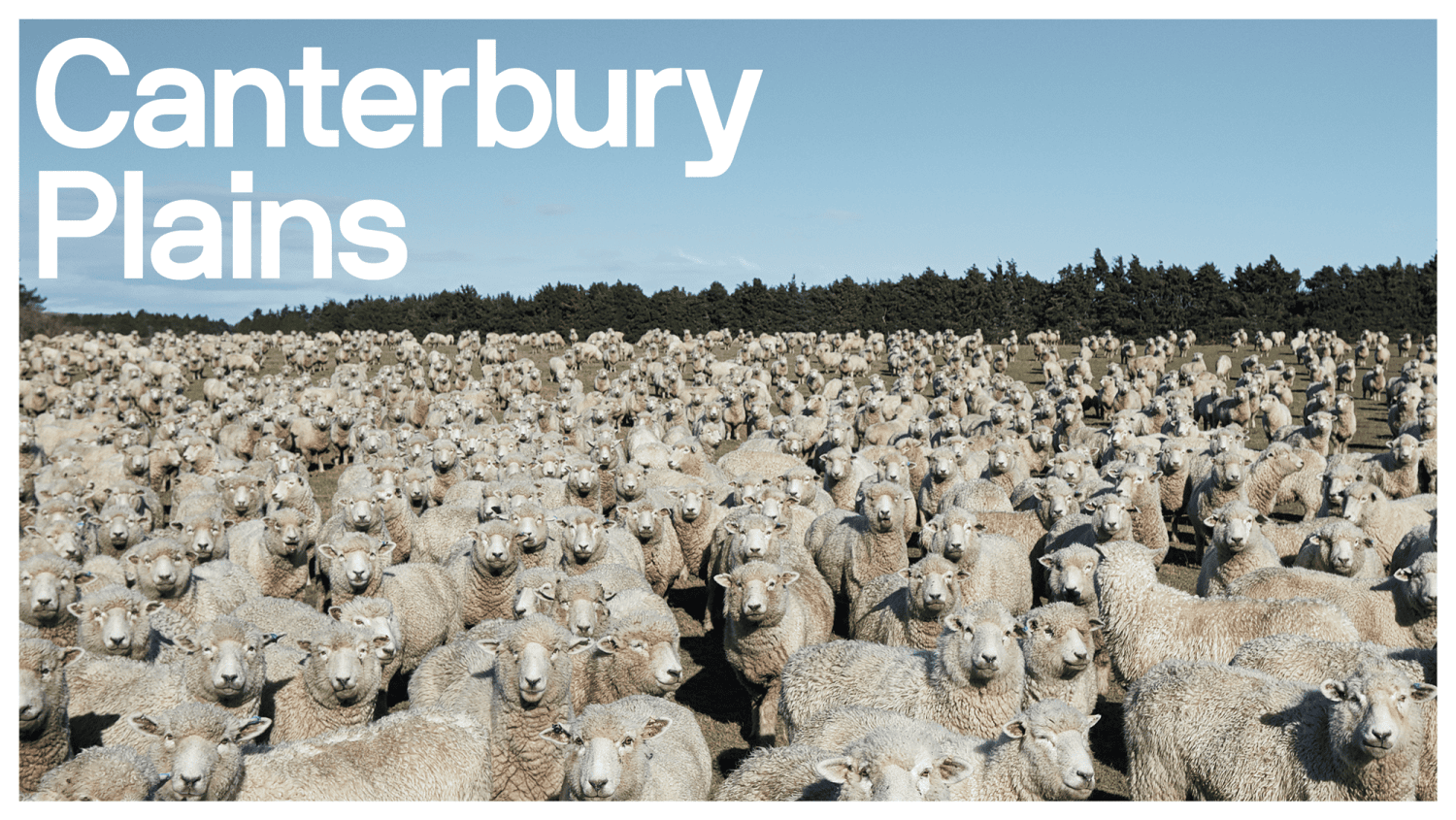
Despite the absence of native mammals other than certain bat species, New Zealand ranks among the world's leading producers of milk, beef, farmed venison, and wool. With a population of 4.4 million, the country supports approximately 10 million cattle (including 6.5 million dairy cattle), 29.1 million sheep, and 0.9 million deer.
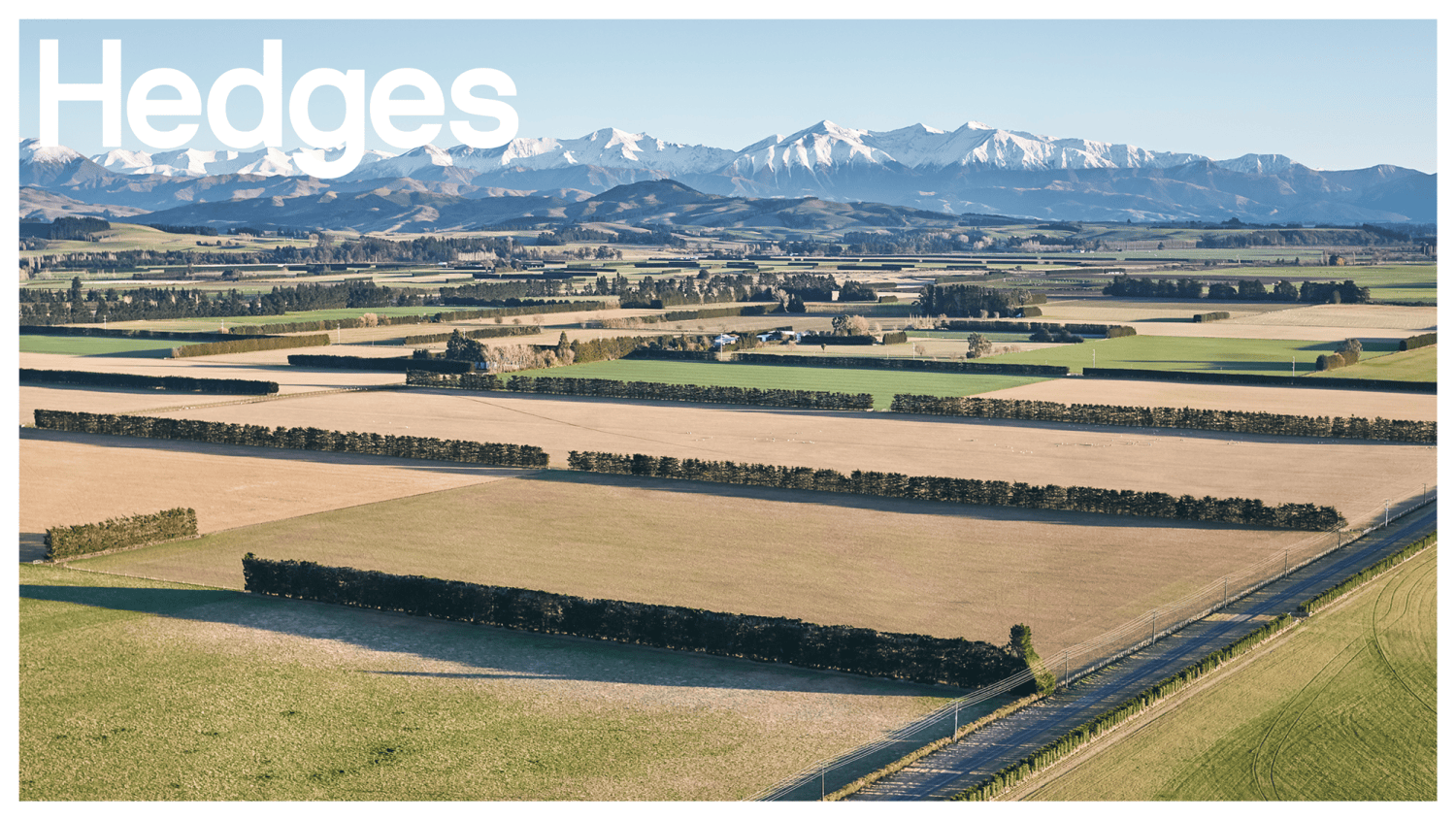
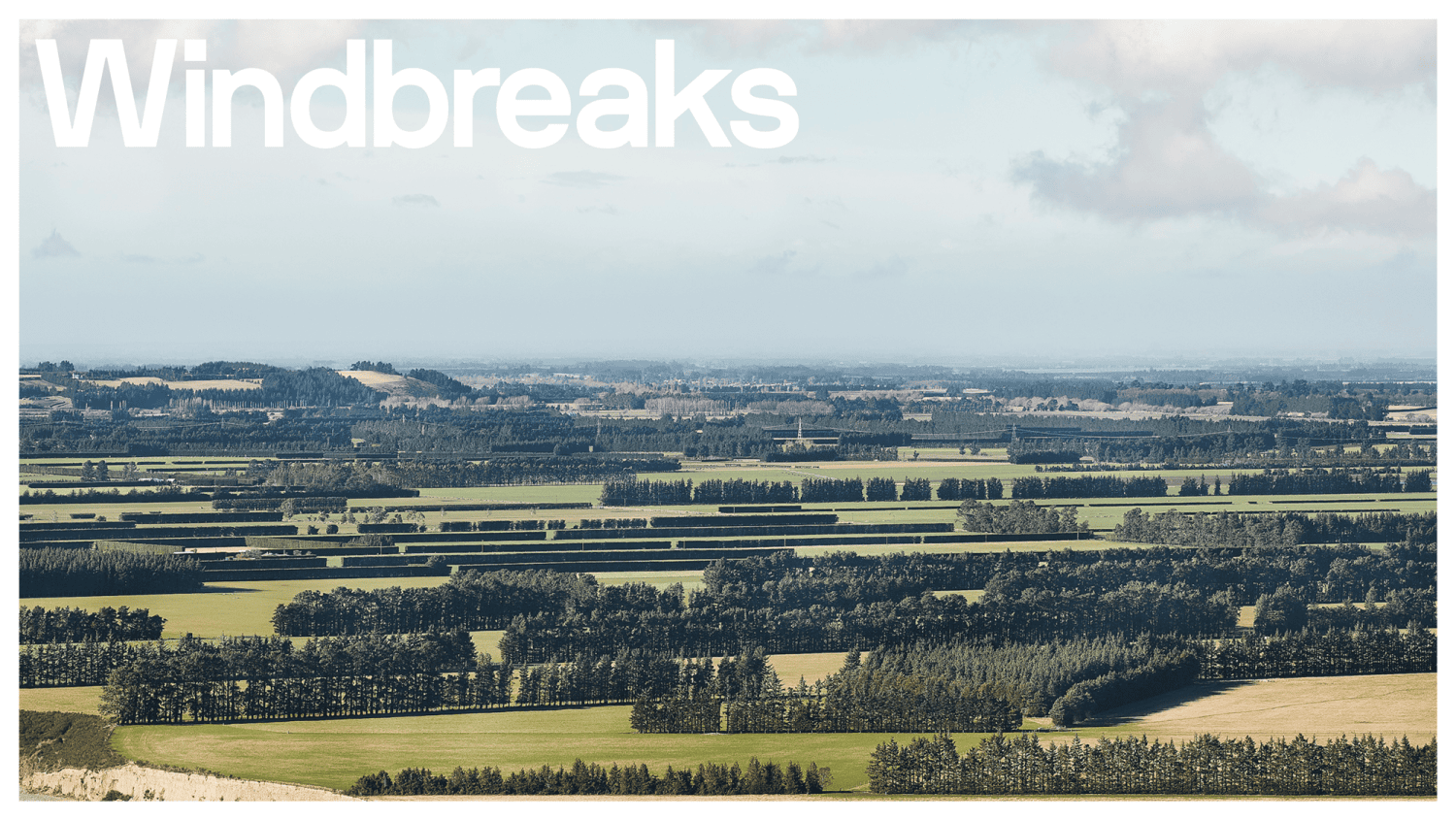
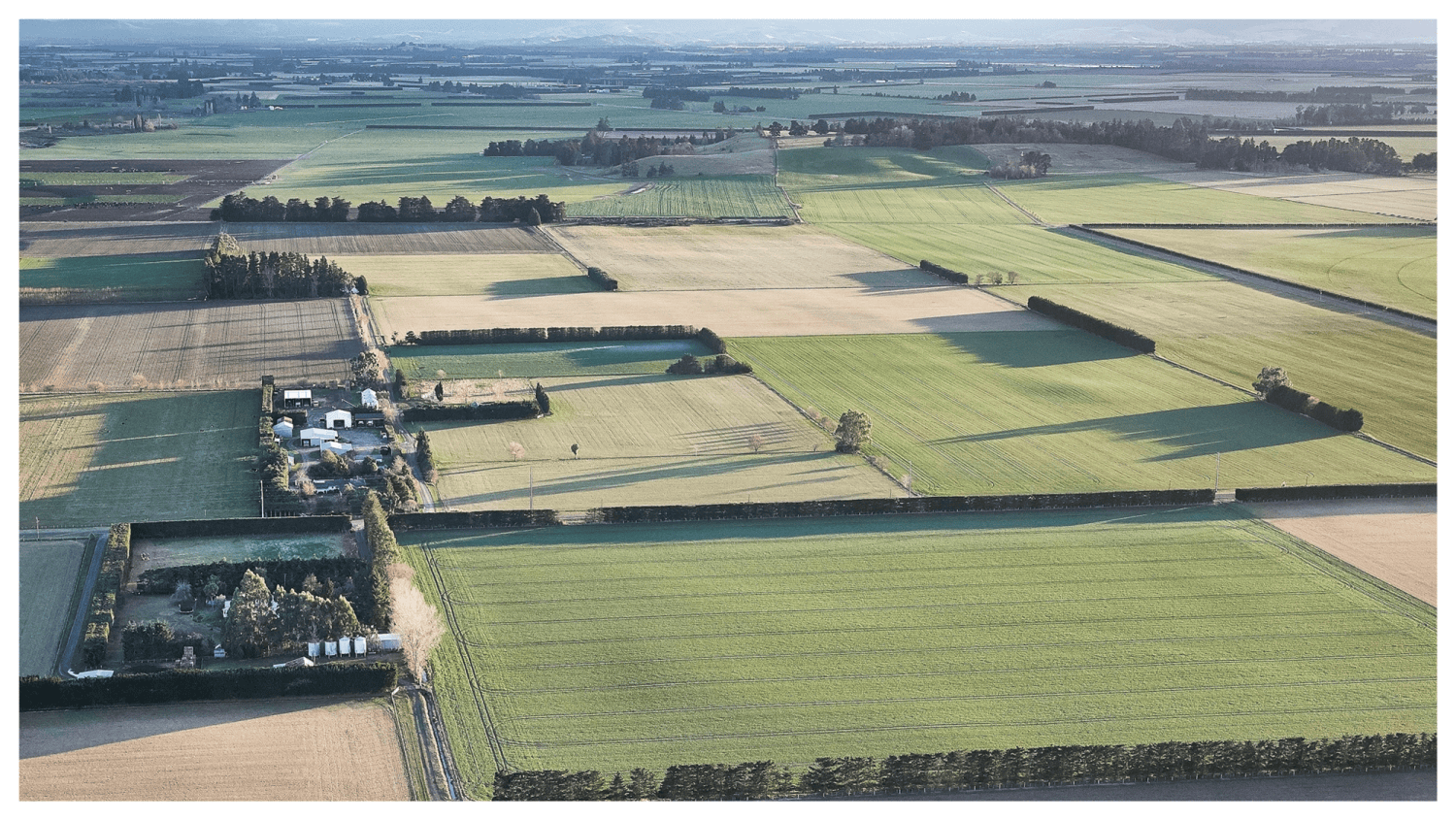
These animals, along with various insects and plants, were gradually introduced from diverse regions worldwide. Macrocarpa and Monterey pines were imported from California to serve as windbreaks, while sheep and cattle originated in Europe, and deer originated in Canada.
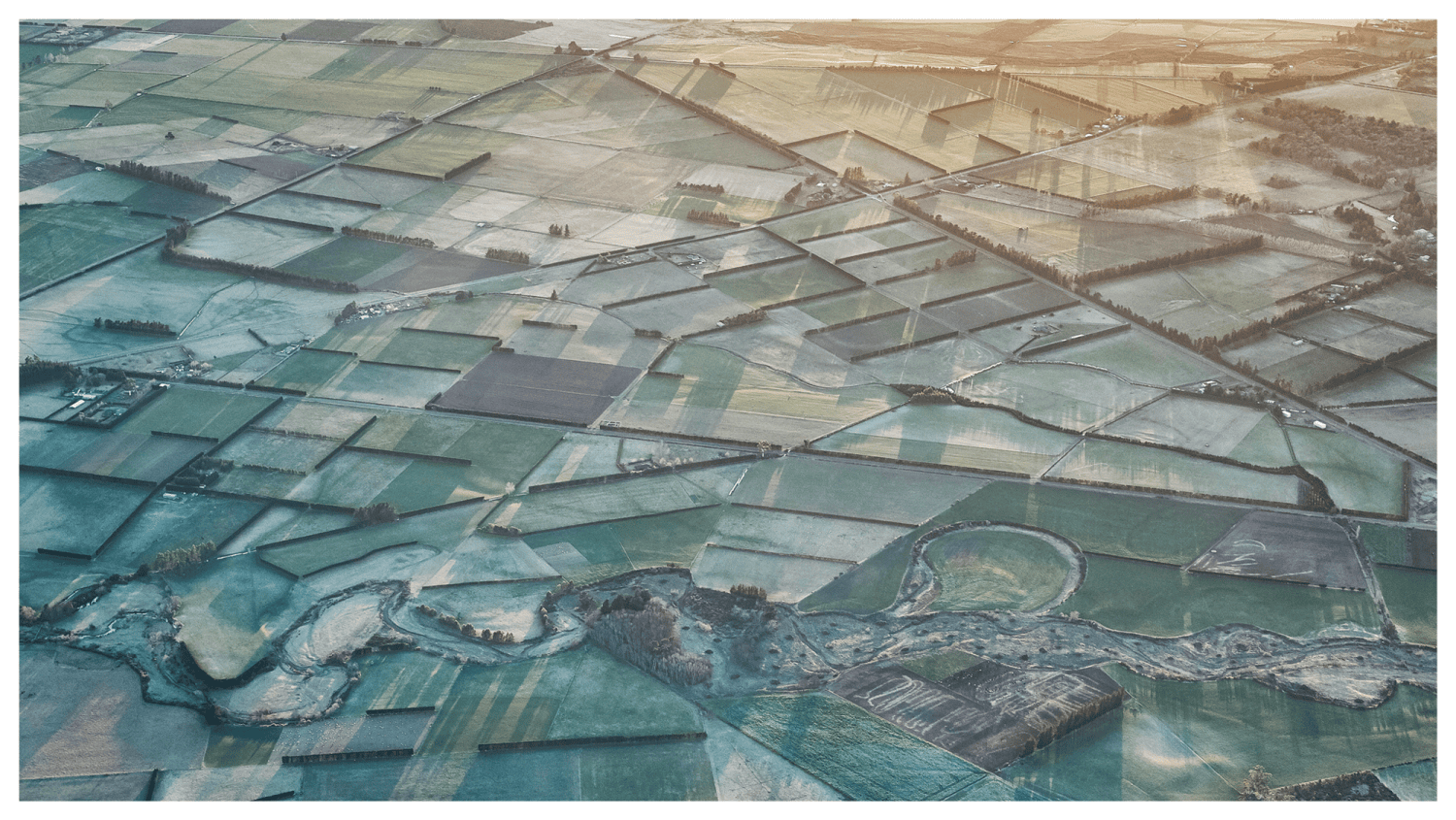
Over the past 150 years of ecological management, these introduced species have largely supplanted native wilderness, resulting in a highly engineered, artificial, and domesticated ecosystem. Due to environmental adaptation, regions such as the Canterbury Plains and Southland now retain less than 0.5% of their original native vegetation.
These animals, along with various insects and plants, were gradually introduced from diverse regions worldwide. Macrocarpa and Monterey pines were imported from California to serve as windbreaks, while sheep and cattle originated in Europe, and deer originated in Canada.
Over the past 150 years of ecological management, these introduced species have largely supplanted native wilderness, resulting in a highly engineered, artificial, and domesticated ecosystem. Due to environmental adaptation, regions such as the Canterbury Plains and Southland now retain less than 0.5% of their original native vegetation.

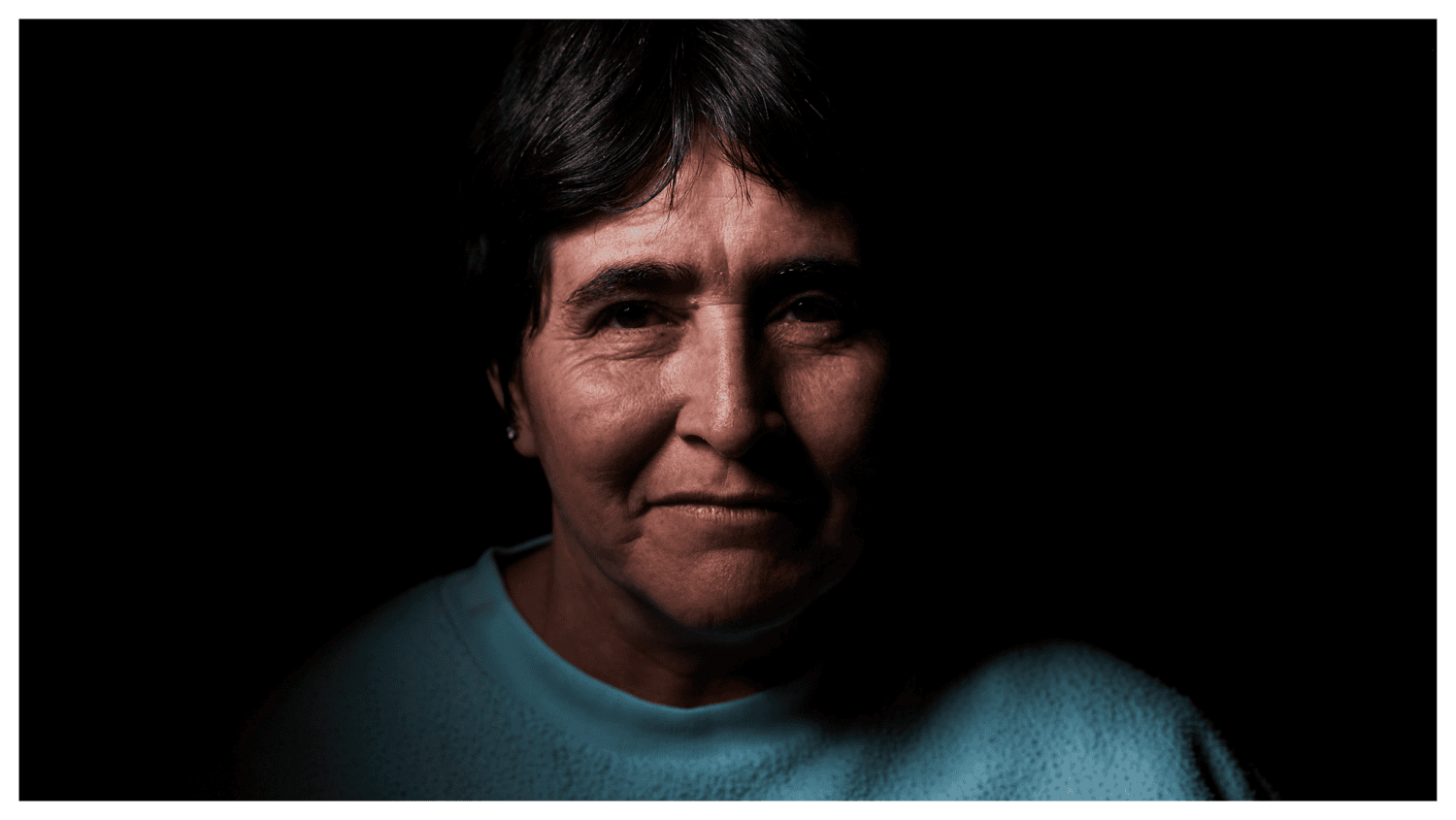
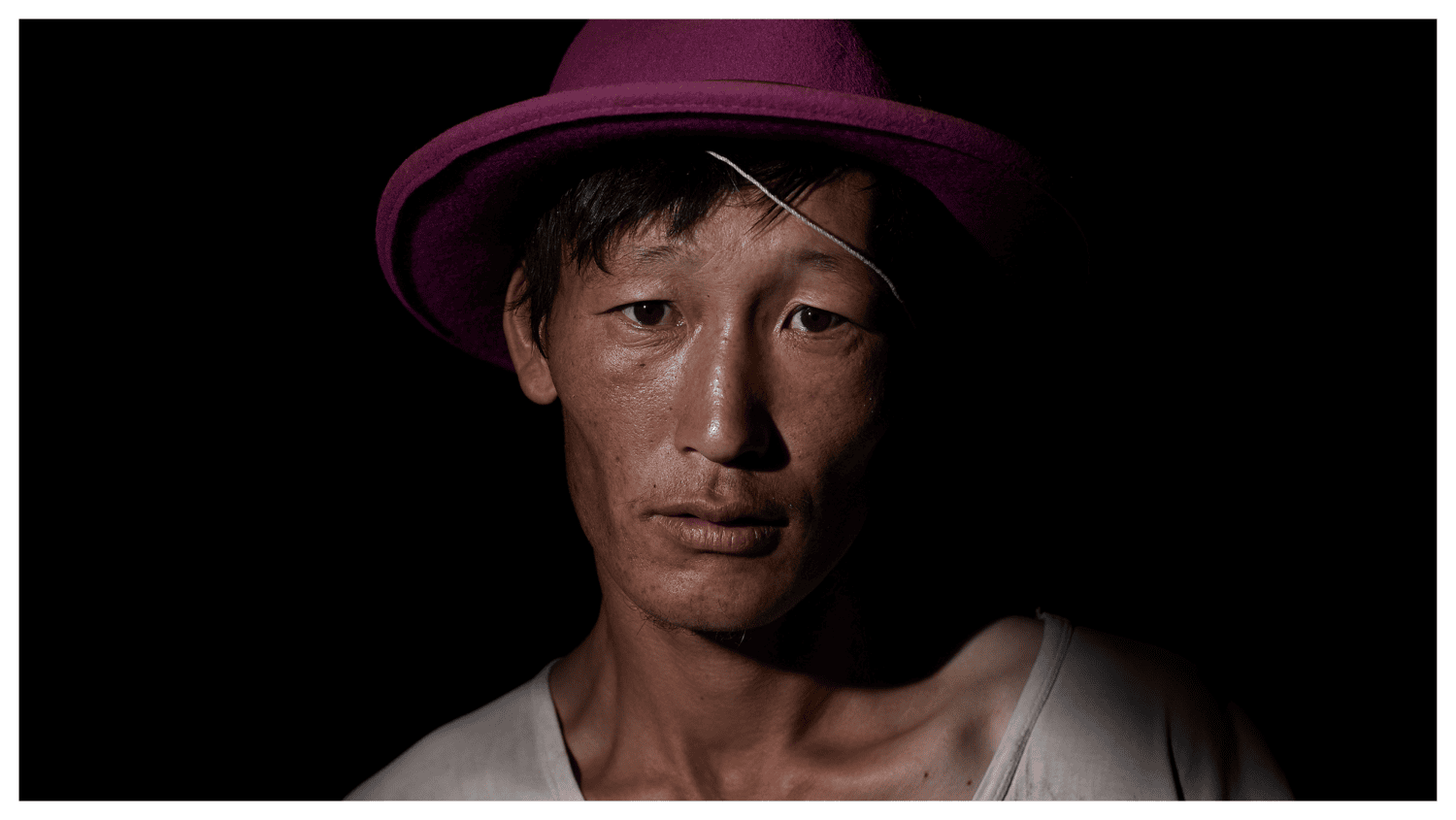
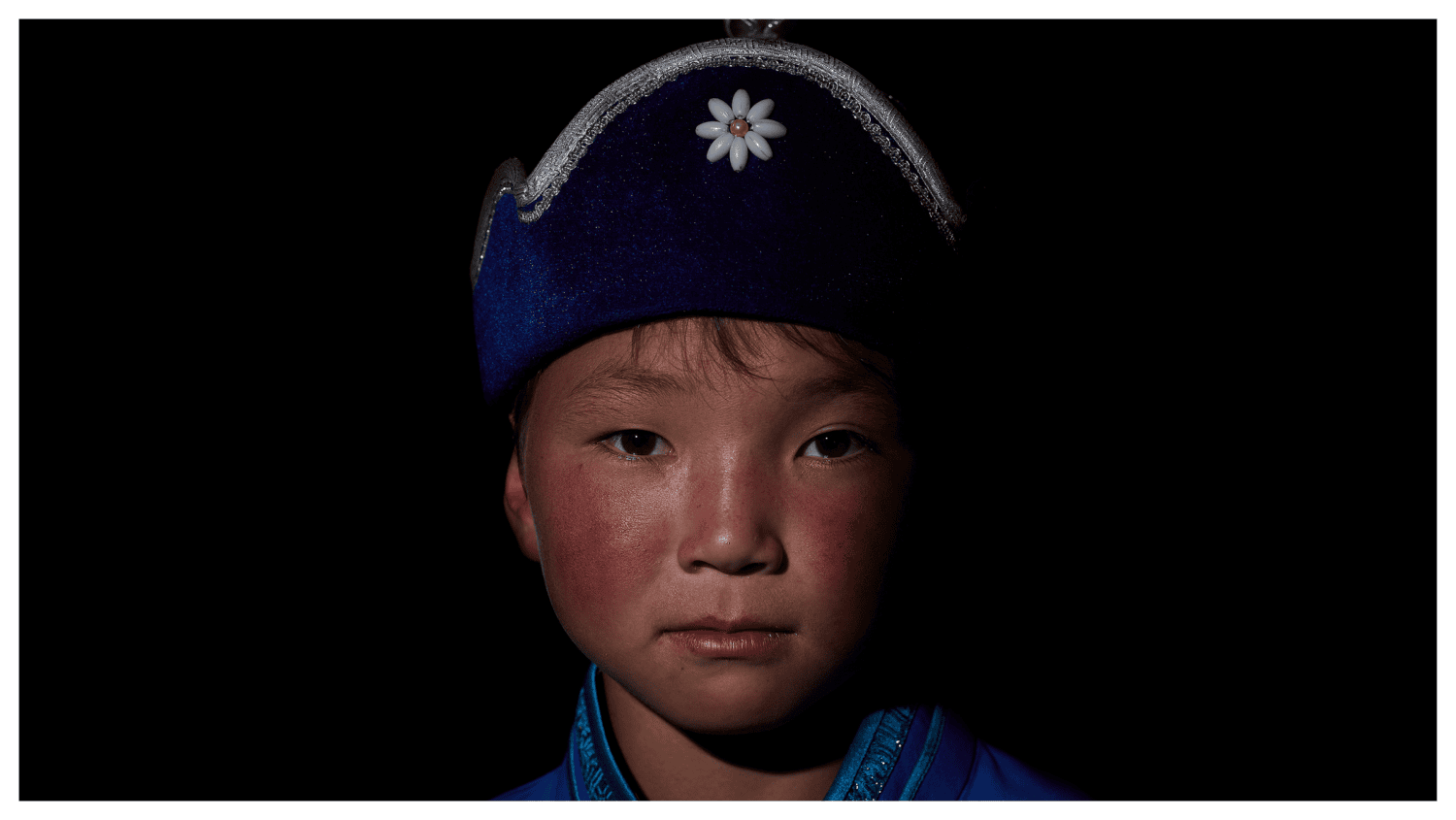
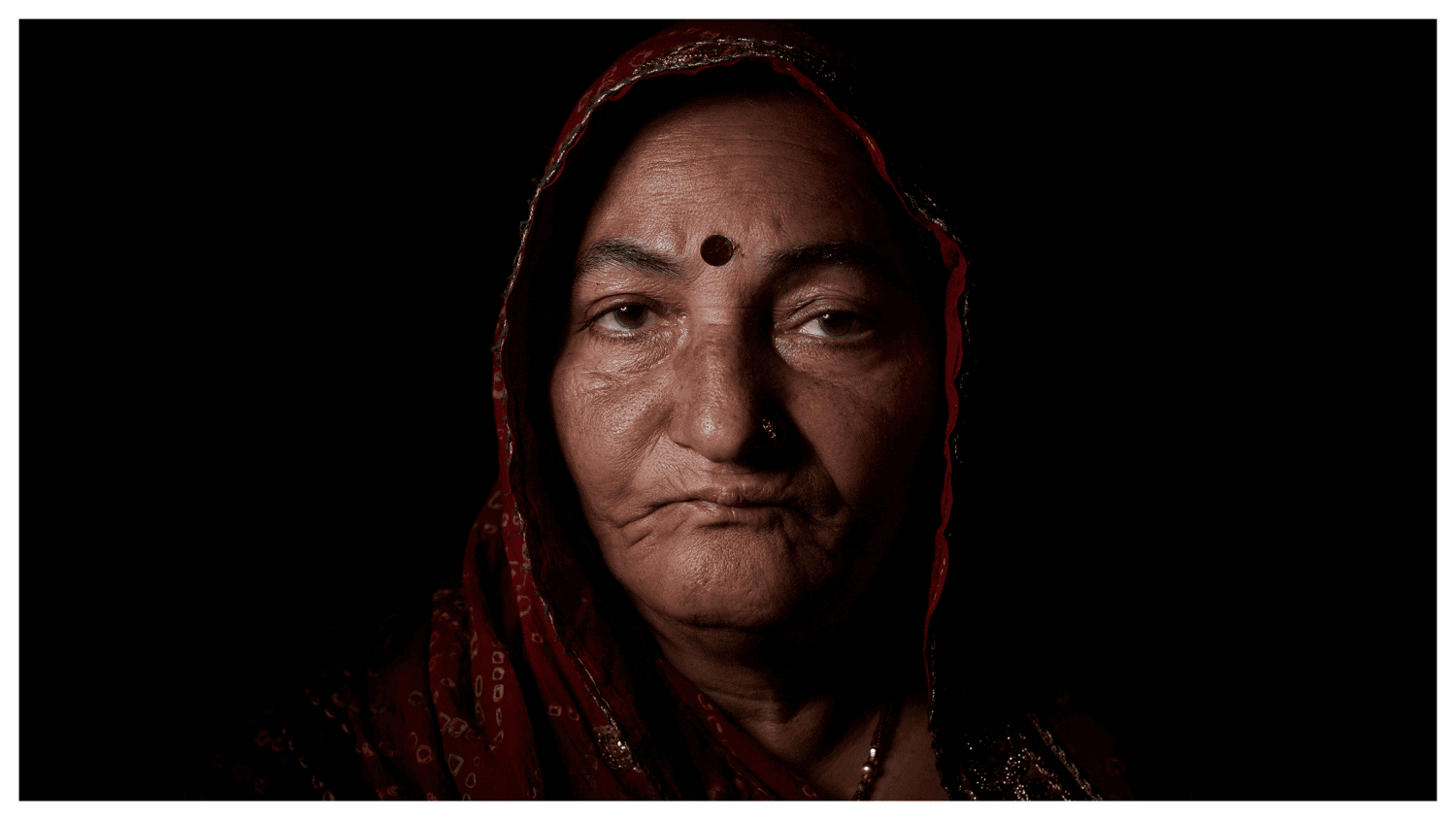
● Portraits captured during interviews and household visits.
People. Portraits.
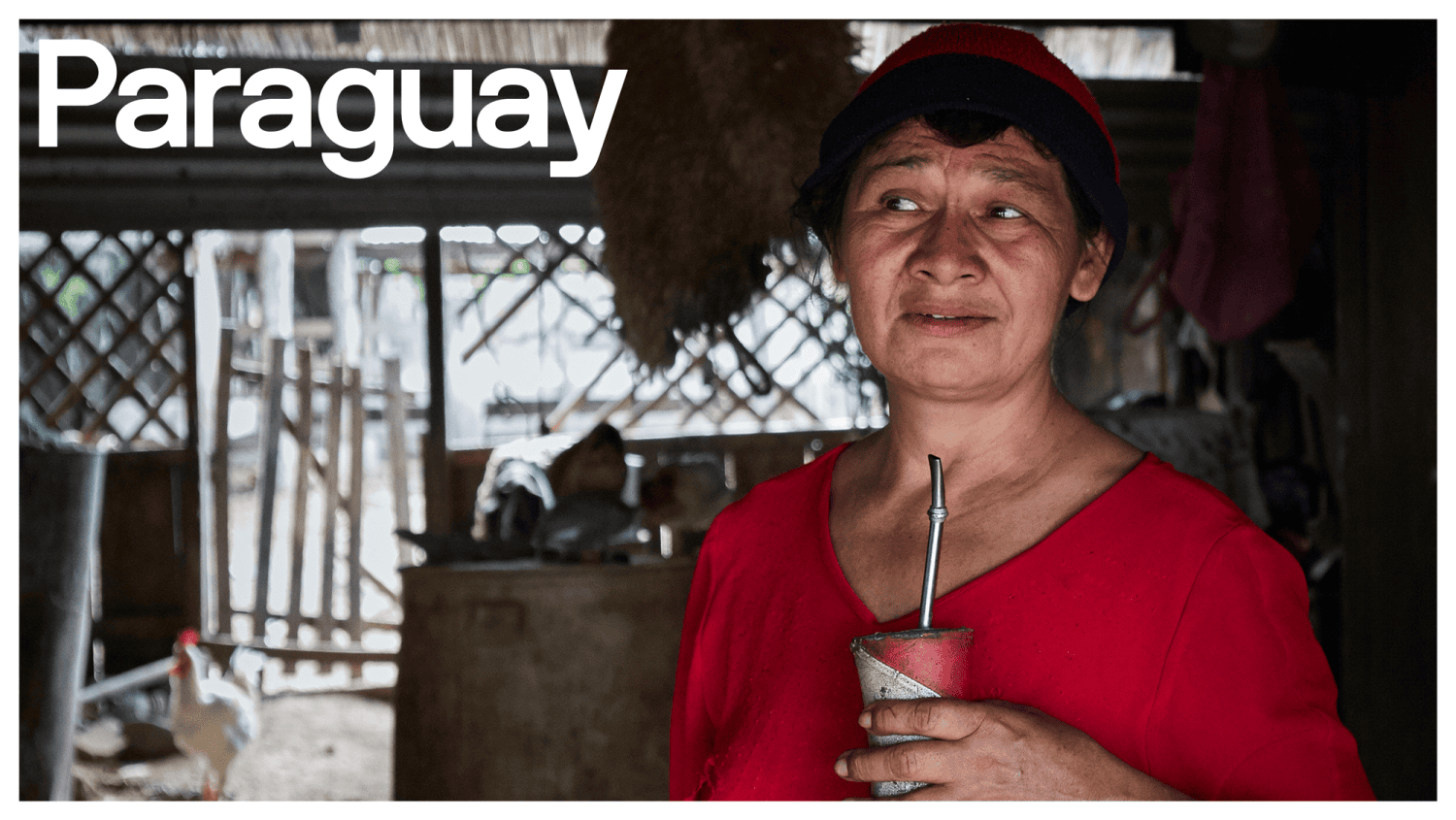
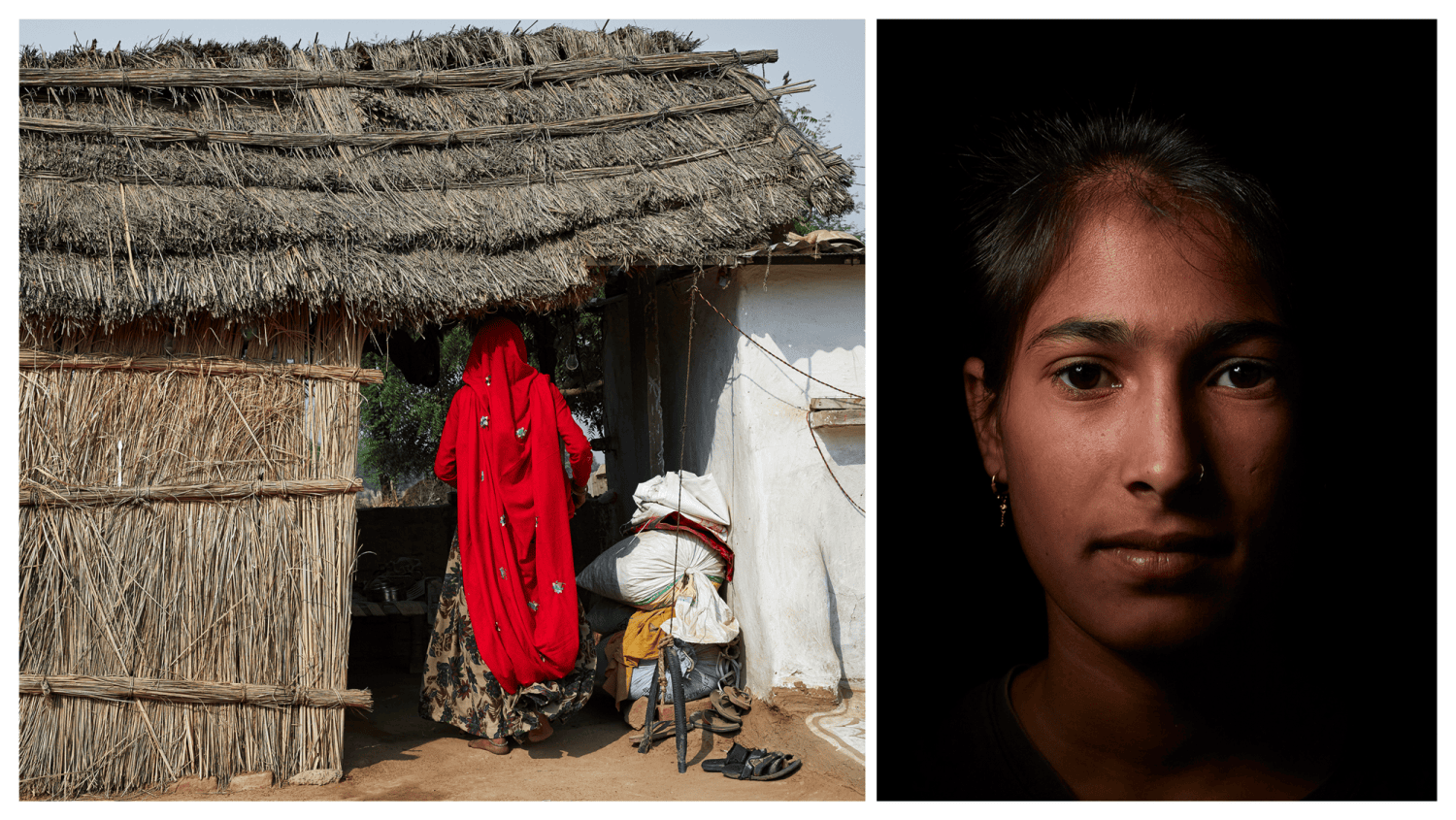
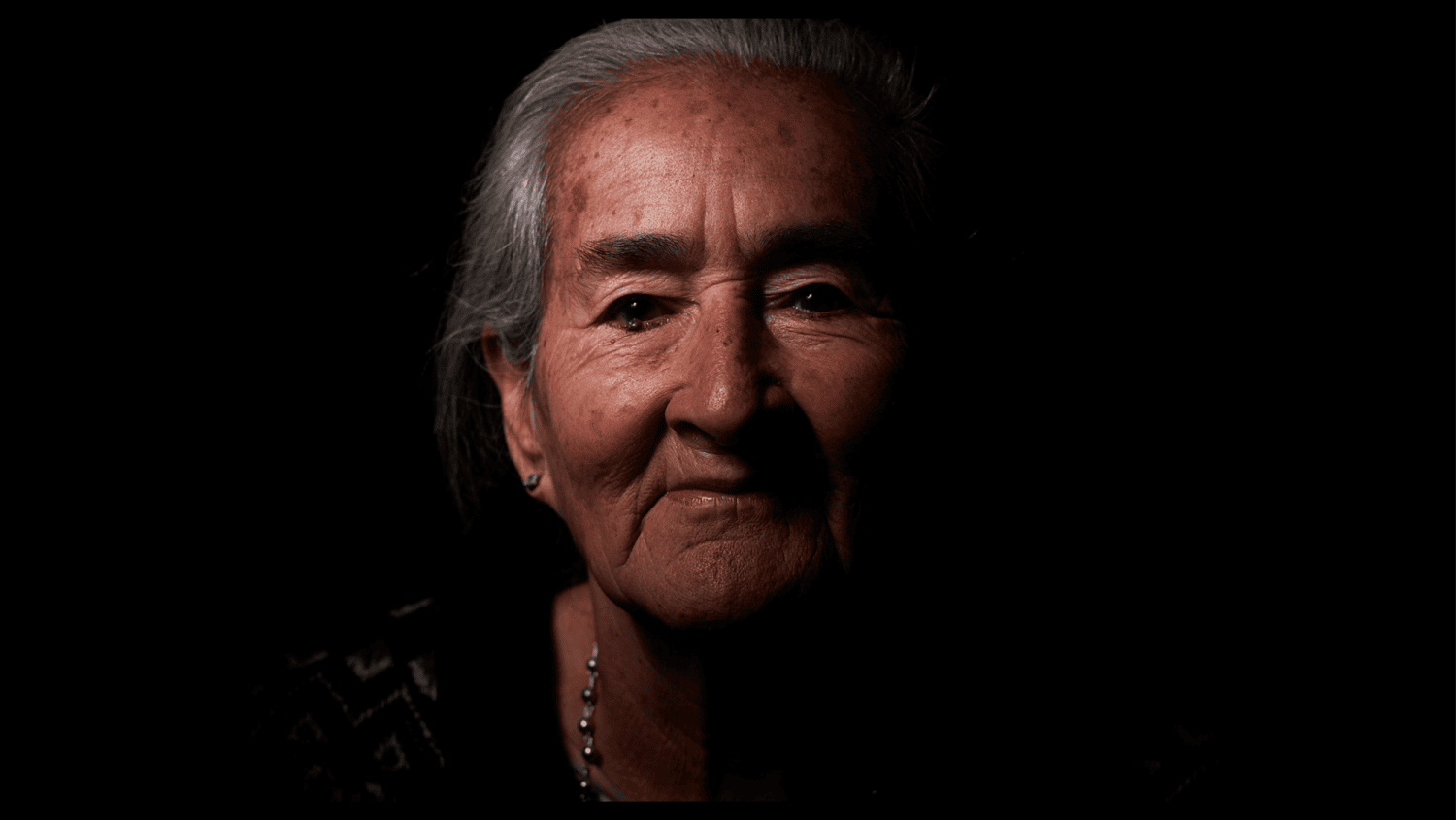
This selection of portraits was taken during interviews with farmers, families, and other rural residents to better understand their lives and daily experiences. The images capture not only individual faces but also the diversity, resilience, and character of rural communities.